




Introduction
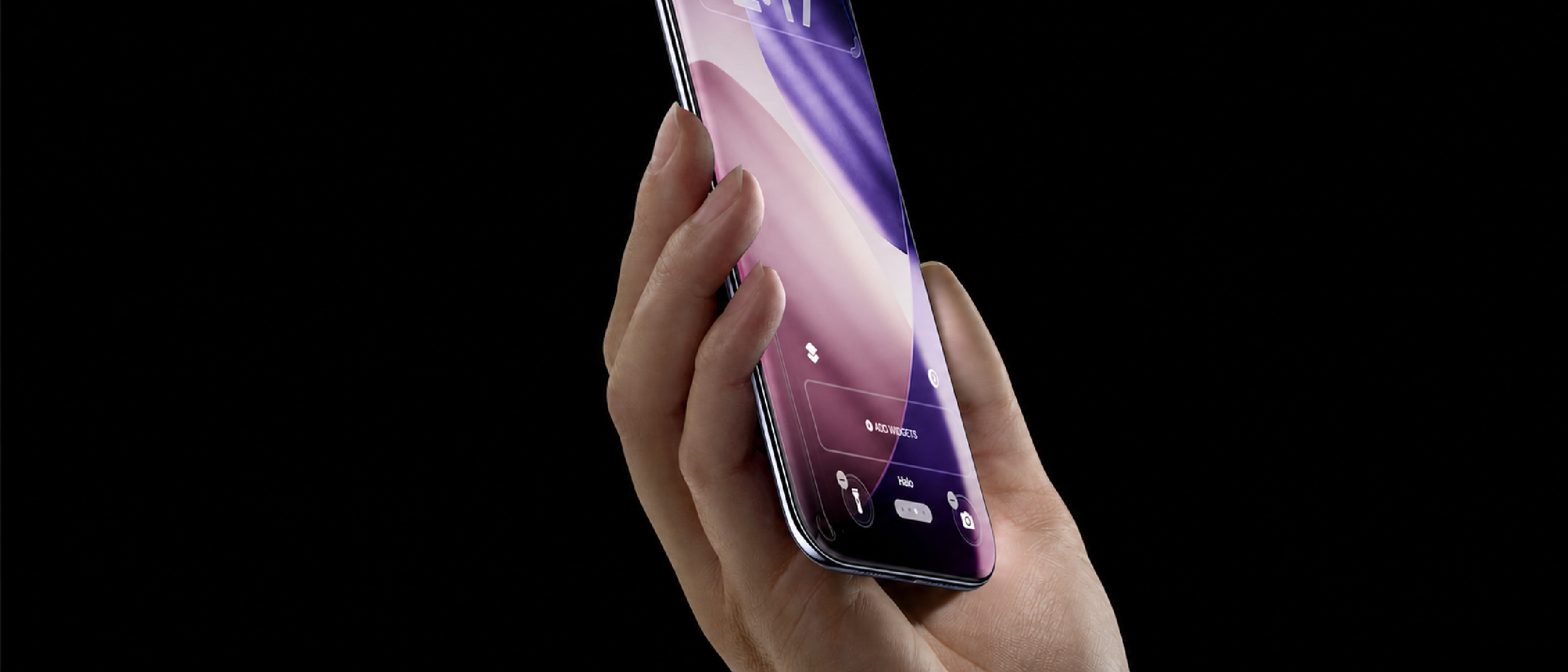
Apple’s 2027 iPhone, slated to celebrate the company’s 20th anniversary, is set to break from the familiar aluminum and glass balance that has defined recent models. Bloomberg’s Mark Gurman confirms that the company is still pursuing a “glass‑centric” redesign, featuring extensive use of glass on both the front and rear, with a thin metal band running through the middle. This shift signals a bold aesthetic and engineering direction that could reshape the iPhone’s form factor and manufacturing process.
Why It Matters
Aesthetic Evolution
Apple has historically leveraged glass to convey premium quality—think the glass backs of the iPhone 12 and 13. The new design pushes this concept further, potentially offering a seamless, almost monolithic look that could set a new trend in premium smartphone design.
Manufacturing Implications
- Glass Production: Scaling up glass usage requires larger, more precise glass panels. Apple will need to secure supply chains for high‑quality, thin, curved glass.
- Assembly Precision: The integration of a metal band within a glass envelope demands tighter tolerances and new bonding techniques.
- Cost Considerations: Glass is typically more expensive than aluminum, especially when produced in large, curved sheets. This could affect the price point of the 20th‑anniversary iPhone.
Consumer Experience
- Durability: While glass offers a sleek appearance, it is also more prone to cracking. Apple’s engineering will need to address impact resistance, possibly through advanced glass composites or internal reinforcement.
- Thermal Management: Glass can affect heat dissipation. The design must ensure that internal components remain within safe operating temperatures.
Technical Breakdown
Design Architecture
| Component | Code Name | Description |
|---|---|---|
| Front Glass | V73 | Curved glass that wraps around the device’s edges, creating a continuous front surface. |
| Rear Glass | V74 | Similar to V73, but with a metal band embedded in the middle to provide structural support. |
| Metal Band | — | Thin aluminum or titanium strip that runs longitudinally, reinforcing the glass and providing a tactile reference point. |
Material Innovations
- Glass Composition: Likely a proprietary blend of tempered and chemically strengthened glass to enhance impact resistance.
- Metal Integration: The metal band may serve dual purposes—structural reinforcement and a conduit for internal wiring or heat dissipation.
Assembly Process
- Glass Cutting: Precision CNC machines cut the V73 and V74 panels to exact curvature specifications.
- Metal Band Insertion: The metal band is inserted into a pre‑formed groove within the glass, then bonded using a high‑temperature adhesive.
- Sealing: Edge sealing ensures water and dust resistance, maintaining the device’s IP rating.
Software and Firmware
While the hardware overhaul is front‑and‑center, Apple will likely need to adjust its software to accommodate the new form factor:
- Display Calibration: Adjusting color profiles to account for the new glass properties.
- Thermal Management Software: Fine‑tuning fanless cooling algorithms to handle altered heat paths.
Industry Impact
Competitor Response
- Samsung: Already experimenting with glass‑heavy designs (e.g., Galaxy Z Fold). Apple’s move could prompt Samsung to accelerate its own glass‑centric iterations.
- Google: The Pixel lineup has traditionally favored aluminum. A glass‑centric iPhone may push Google to reconsider its material strategy.
Supply Chain Shifts
- Glass Suppliers: Companies like Corning and Schott may see increased demand. Apple’s long‑term contracts could reshape the glass market.
- Metal Suppliers: The need for lightweight, high‑strength metals may boost demand for titanium or aluminum alloys.
Design Trends
A successful glass‑centric iPhone could influence broader consumer electronics, encouraging designers to prioritize seamless glass aesthetics across laptops, wearables, and smart home devices.
Future Outlook
2024 Pro Models
Bloomberg reports that the next‑year iPhone Pro and Pro Max models will already feature a “new glassy look.” This incremental adoption suggests a phased approach: test the glass‑centric concept on higher‑end models before rolling it out to the flagship 20th‑anniversary device.
Potential for All‑Glass Pro Series
Jefferies analyst Edison Lee has floated the idea of an all‑glass Pro and Pro Max line. While no official confirmation exists, the internal code names V73 and V74 hint at a broader strategy that could culminate in a fully glass‑based Pro series.
Long‑Term Viability
If Apple can balance durability, cost, and aesthetics, the glass‑centric design may become a staple in future iPhone iterations, potentially redefining the premium smartphone market.
FAQ
Q: Will the new iPhone be more fragile?
A: Apple is expected to use advanced glass composites and internal reinforcement to mitigate fragility. However, users should still exercise caution.
Q: How will the metal band affect battery life?
A: The metal band is primarily structural; it should not significantly impact battery performance. Any thermal effects will be managed through software.
Q: Are there any price changes anticipated?
A: No official pricing has been released. Increased material costs could translate to a higher price point, especially for the 20th‑anniversary model.
Q: Will the glass‑centric design affect the iPhone’s water resistance?
A: Apple will maintain its IP rating by ensuring proper edge sealing and gasket integration.
Q: Is this design limited to the 20th‑anniversary iPhone?
A: While the most dramatic implementation is planned for the 2027 anniversary model, the next-generation iPhone Pro and Pro Max (expected in 2024) will already incorporate elements of this design language. This suggests Apple is testing the waters before committing to a full glass-centric overhaul.
Challenges and Considerations
Engineering Hurdles
Structural Integrity
- The glass-metal sandwich design must withstand daily wear and tear, including drops and impacts. Apple’s engineering teams are likely exploring:
- Nano-ceramic coatings to enhance scratch resistance.
- Internal shock-absorbing frameworks to distribute impact forces.
- Hybrid glass composites that combine the aesthetic appeal of glass with the durability of polymers.
- The glass-metal sandwich design must withstand daily wear and tear, including drops and impacts. Apple’s engineering teams are likely exploring:
Manufacturing Yield
- Curved glass panels are notoriously difficult to produce at scale. Apple will need to:
- Invest in automated quality control to detect micro-fractures or imperfections.
- Partner with suppliers to optimize glass tempering processes for larger, thinner sheets.
- Develop new bonding techniques to ensure the metal band adheres seamlessly to the glass.
- Curved glass panels are notoriously difficult to produce at scale. Apple will need to:
Repairability
- A glass-centric design could complicate repairs, particularly for cracked or shattered panels. Apple may need to:
- Introduce modular glass components that can be replaced independently.
- Expand its Authorized Service Provider network to handle specialized repairs.
- Offer extended warranty programs to offset potential repair costs for consumers.
- A glass-centric design could complicate repairs, particularly for cracked or shattered panels. Apple may need to:
Market Reception
Consumer Expectations
- Apple’s design choices often set industry trends, but a radical departure from the familiar could polarize users. The company will need to:
- Educate consumers on the benefits of the new design, such as improved aesthetics and potential wireless charging enhancements.
- Highlight durability improvements to address concerns about fragility.
- Leverage marketing campaigns to frame the redesign as a natural evolution of the iPhone’s premium identity.
- Apple’s design choices often set industry trends, but a radical departure from the familiar could polarize users. The company will need to:
Competitive Differentiation
- While Samsung and other competitors have experimented with glass-heavy designs, Apple’s approach could stand out by:
- Refining the glass-metal integration to achieve a more seamless, premium look.
- Introducing proprietary glass treatments that enhance both durability and visual appeal.
- Pairing the design with exclusive features, such as advanced haptic feedback or under-display cameras.
- While Samsung and other competitors have experimented with glass-heavy designs, Apple’s approach could stand out by:
Environmental Impact
- Glass production is energy-intensive, and its recyclability is limited compared to metals like aluminum. Apple may need to:
- Increase the use of recycled glass in its manufacturing processes.
- Develop new recycling programs to recover and repurpose glass from old devices.
- Offset carbon emissions through renewable energy investments in its supply chain.
- Glass production is energy-intensive, and its recyclability is limited compared to metals like aluminum. Apple may need to:
Potential Features and Innovations
Enhanced Wireless Charging
- The glass-centric design could improve wireless charging efficiency by reducing interference from metal components. Apple might:
- Introduce faster wireless charging standards (e.g., 30W or higher).
- Enable reverse wireless charging for accessories like AirPods or Apple Watch.
- Explore long-range wireless charging for use in homes or offices.
Under-Display Technologies
- With more glass real estate, Apple could accelerate the adoption of under-display technologies, such as:
- Under-display cameras for a true edge-to-edge display.
- Under-display Touch ID as a complement to Face ID.
- Dynamic glass opacity for privacy or aesthetic customization.
Haptic Feedback and Sensors
- The glass-metal design could enable new haptic feedback mechanisms, such as:
- Localized vibrations for more precise touch responses.
- Pressure-sensitive edges for additional input methods.
- Integrated health sensors (e.g., blood pressure or glucose monitoring) embedded in the glass.
Customization Options
- Apple could offer personalized glass finishes, such as:
- Frosted or matte glass for a more subdued look.
- Colored or gradient glass to appeal to fashion-conscious users.
- Engraved or etched designs for limited-edition models.
Conclusion
Apple’s planned glass-centric iPhone redesign for 2027 represents a bold step forward in smartphone design, blending aesthetic ambition with engineering challenges. While the shift to more glass may raise concerns about durability and cost, it also opens the door to innovative features and a refreshed user experience. The phased rollout—starting with the 2024 iPhone Pro models—suggests Apple is taking a cautious yet deliberate approach, ensuring the design is both viable and desirable before its full debut.
As the 20th-anniversary iPhone approaches, industry watchers and consumers alike will be keen to see how Apple balances form and function. If successful, the glass-centric design could redefine the premium smartphone market, setting a new standard for elegance and innovation. For now, the journey toward 2027 promises to be as intriguing as the destination itself.
Additional FAQ
Q: Will the glass-centric design affect the iPhone’s weight? A: Glass is generally heavier than aluminum, but Apple may use thinner glass panels or lightweight metal alloys to mitigate weight gain. The final product’s weight will depend on the specific materials and engineering choices.
Q: Could the metal band interfere with wireless charging or signal reception? A: Apple’s design will likely account for these factors. The metal band may be segmented or use non-conductive materials in key areas to avoid interference with wireless charging or cellular/Wi-Fi signals.
Q: Are there any health concerns associated with increased glass usage? A: Glass is chemically inert and does not pose health risks. However, Apple will need to ensure that any coatings or treatments applied to the glass are non-toxic and safe for prolonged skin contact.
Q: How will the new design impact third-party accessories like cases? A: The glass-centric design may require new case designs to accommodate the curved edges and metal band. Apple could introduce its own line of cases or work with accessory manufacturers to ensure compatibility.
Q: Will the 2027 iPhone support new connectivity standards? A: While the article does not specify, the 2027 iPhone could introduce support for emerging technologies like 6G, satellite-based communication, or advanced AI processing. The glass-centric design may also enable better antenna placement for improved signal strength.
Source: Original Article