
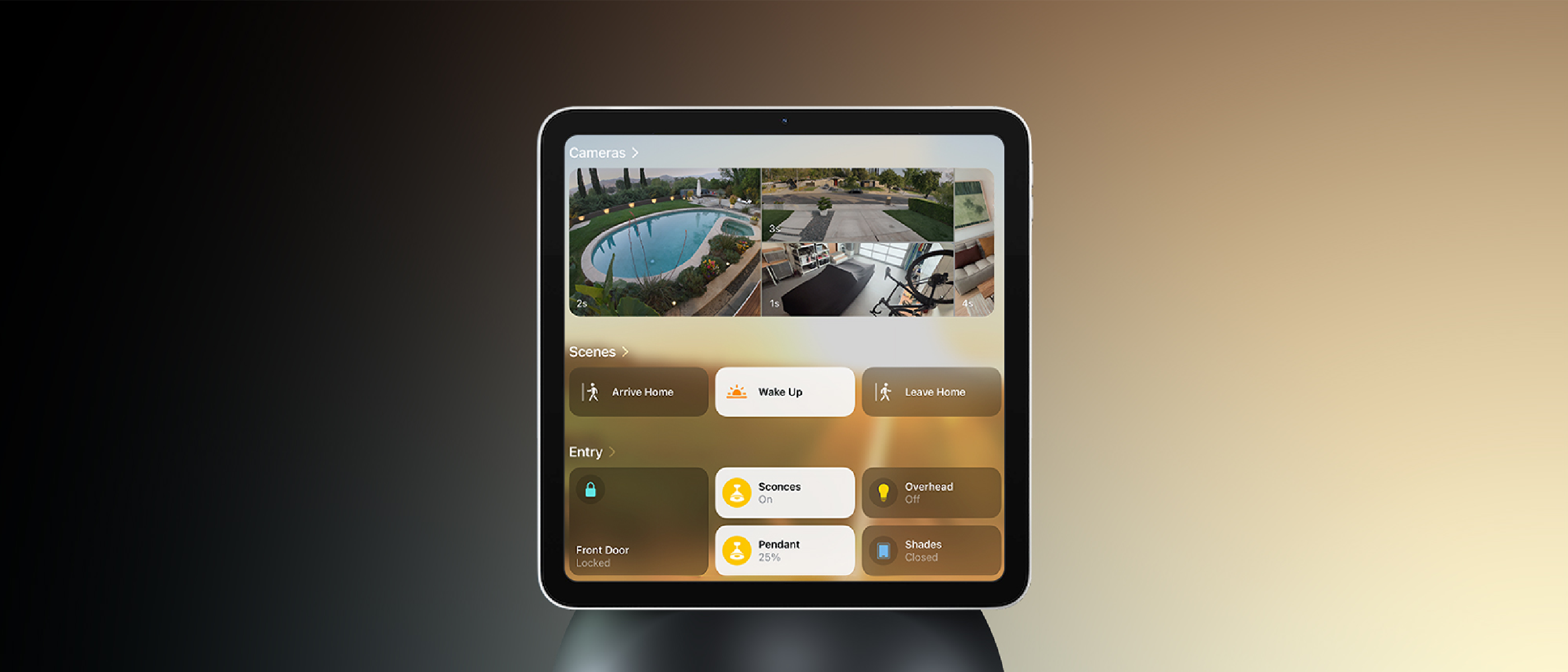
Overview: Apple’s Long‑Awaited Smart Home Screen
Apple’s ecosystem has long been dominated by voice‑first devices—HomePod mini, Apple TV, and the Apple Watch. The company’s first foray into a screen‑based smart home hub finally has a concrete launch window: a 7‑inch square display slated to ship before the end of 2024. Reported by Bloomberg’s Mark Gurman, the device will run an operating system that sits closer to tvOS than iOS, feature a front‑facing camera for facial recognition, and be priced around $350.
The announcement marks a pivotal shift for Apple, moving from a purely audio‑centric smart‑home strategy to a visual, context‑aware experience. Retail stores are already being re‑configured to showcase the new hardware, underscoring Apple’s confidence that the product will become a central piece of the HomeKit landscape.
Technical Breakdown: What We Know So Far
Form Factor and Display
- Size: 7‑inch square LCD panel, likely using Apple’s Retina‑grade technology for crisp text and vivid colors.
- Design: Minimalist bezel, front‑facing camera positioned at the top‑center for user identification.
- Build: Aluminum enclosure consistent with Apple’s hardware language, designed to blend into living‑room furniture.
Operating System and UI
- OS Base: A variant of tvOS, suggesting a focus on media playback, widget‑driven home screen, and seamless integration with Apple TV.
- Home Screen: Built around quick‑access widgets that surface HomeKit accessories, weather, calendar events, and Siri suggestions.
- App Ecosystem: While the device will not run iOS apps directly, developers can target the tvOS‑like platform with dedicated HomeKit extensions.
Core Features
- Facial Recognition: Leveraging the front camera, the device will identify individual users, unlocking personalized content streams (e.g., photo albums, music playlists, smart‑home scenes).
- Multiple Profiles: Supports distinct user profiles, each with its own HomeKit automations and widget layout.
- Ambient Sensing: Confirmed via macOS Tahoe 26.7 code, the device can verify identity through subtle environmental cues (e.g., voice, proximity) to reduce false recognitions.
- Siri Integration: The AI engine is being fine‑tuned for on‑device processing, a factor that contributed to the recent schedule shift.
Pricing and Availability
- Price Point: Approximately $350, positioning it between the HomePod mini ($99) and the Apple TV 4K ($179).
- Release Window: Confirmed for 2024, with shipments expected before the holiday season.
Why It Matters: The Strategic Rationale
Consolidating the Apple Home Ecosystem
Apple’s HomeKit has historically suffered from a limited hardware portfolio compared with rivals like Amazon’s Echo Show or Google Nest Hub. By introducing a screen‑based hub, Apple can:
- Provide a visual anchor for HomeKit automations, making complex scenes easier to understand.
- Drive adoption of HomeKit accessories, as users now have a dedicated display to interact with lights, locks, thermostats, and cameras.
- Strengthen the “Apple Command Center” narrative, positioning the device as the central control panel for iPhone, iPad, Mac, and Apple Watch users.
Competitive Differentiation
Apple’s emphasis on privacy‑first facial recognition and on‑device Siri processing differentiates the product from competitors that rely heavily on cloud‑based AI. This could appeal to privacy‑conscious consumers who have been wary of Amazon’s data practices.
Retail Real Estate Optimization
Apple’s decision to rearrange retail store sections signals a belief that the device will generate foot traffic comparable to iPhone launches. The visual nature of the product also lends itself to in‑store demos, a tactic that has historically boosted conversion rates for Apple’s other hardware.
Industry Impact: Ripple Effects Across the Smart Home Landscape
HomeKit vs. Competing Platforms
- Amazon & Google: Both already offer mature smart‑display lines (Echo Show, Nest Hub). Apple’s entry may force these players to accelerate privacy‑centric features to retain market share.
- Third‑Party Accessory Makers: A new hub could revitalize interest in HomeKit‑compatible accessories, prompting manufacturers to prioritize Apple certification.
Supply Chain and Component Trends
The 7‑inch display size aligns with existing supply chains for tablets and small monitors, potentially easing production bottlenecks that have plagued other smart‑display launches. Apple’s use of a tvOS‑derived OS also reduces the need for a separate software stack, streamlining firmware updates.
Cross‑Industry Synergies
Apple’s ecosystem already intersects with automotive (Apple Wallet car keys) and satellite internet (Starlink Mini Home Use). The smart home display could act as a bridge:
Car Keys Integration: Users could view vehicle status or unlock their car from the home screen, echoing the functionality discussed in the article about a Chinese auto giant adding Apple Wallet car keys.
Read more: https://ltdeveloperblogs.github.io/posts/yet-another-major-chinese-car-brand-is-preparing-to-support-car-keys-in-apple-walletHome Internet Connectivity: Pairing the display with a Starlink Mini could provide a reliable, high‑speed connection for streaming and HomeKit video feeds.
Read more: https://ltdeveloperblogs.github.io/posts/you-can-use-your-starlink-mini-at-home-but-itll-cost-youSecurity Considerations: As more devices converge on a single hub, the importance of robust endpoint protection rises. Apple’s closed ecosystem may mitigate some risks, but users should still be aware of potential vulnerabilities, a topic explored in the Mac Antivirus Intego One guide.
Read more: https://ltdeveloperblogs.github.io/posts/your-mac-isnt-immune-to-viruses-surveillance-tools-intego-one-is-here-to-help
Future Outlook: What Comes After the First Display?
Software Roadmap
While Apple has not disclosed a version number, the tvOS‑like foundation suggests future updates could bring:
- Enhanced Widget Ecosystem: More third‑party developers may create HomeKit‑aware widgets, expanding the device’s utility.
- AR Integration: With Apple’s rumored AR focus, the display could eventually support simple augmented‑reality overlays for home layout planning.
Potential Product Extensions
- Larger Form Factors: A 10‑inch or 13‑inch sibling could target the kitchen or office market.
- Audio Upgrades: Integration of spatial audio speakers could turn the hub into a full‑featured media center.
- Modular Accessories: Magnetic mounts for wall or countertop placement, similar to the Apple Watch’s magnetic chargers.
Market Adoption Scenarios
- Optimistic: Strong HomeKit accessory ecosystem, privacy‑focused branding, and Apple’s retail muscle drive rapid adoption, making the device a staple
in Apple‑centric households.
- Conservative: If HomeKit accessory availability remains limited and developers are slow to adopt the new widget APIs, the hub could see modest uptake, primarily among existing Apple enthusiasts who value the seamless integration with iPhone and Mac.
- Pessimistic: Should Siri’s on‑device AI fall short of consumer expectations or if privacy concerns around facial recognition are not adequately addressed, the product could struggle against the more established Echo Show and Nest Hub lines, leading to excess inventory and price cuts.
Potential Challenges & Mitigation Strategies
| Challenge | Why It Matters | Apple’s Likely Response |
|---|---|---|
| Facial‑Recognition Privacy | Users may be wary of biometric data being stored or transmitted. | On‑device processing only, with encrypted storage in the Secure Enclave; clear opt‑in UI and the ability to disable the feature. |
| Siri AI Maturity | The device’s “smart” experience hinges on accurate, context‑aware responses. | Incremental roll‑outs of new Siri models via tvOS updates; Apple’s partnership with its own silicon team to accelerate on‑chip ML. |
| Accessory Ecosystem Gaps | Without a robust catalog of HomeKit‑compatible devices, the hub’s utility is limited. | Expanded HomeKit certification program, incentives for third‑party manufacturers, and tighter integration with Matter standards. |
| Supply‑Chain Constraints | 7‑inch LCD panels have been in high demand for tablets and automotive displays. | Leveraging existing iPad‑class panel suppliers, and possibly using OLED in later revisions to differentiate. |
| Price Sensitivity | $350 sits above many competitors’ entry‑level smart displays. | Bundling options with Apple TV 4K or HomePod mini, and promotional discounts during the holiday season. |
Conclusion
Apple’s 7‑inch Smart Home Display represents a calculated leap from a voice‑only strategy to a visual, context‑aware hub that could finally give HomeKit the centerpiece it has long needed. By anchoring the experience in a tvOS‑derived OS, leveraging on‑device facial recognition, and positioning the device at a mid‑range price point, Apple aims to strike a balance between premium branding and mass‑market appeal.
If Apple can deliver on its promises—particularly around privacy‑first AI and a thriving HomeKit accessory ecosystem—the display could become the de‑facto “command center” for millions of households, reinforcing Apple’s broader vision of an integrated, seamless digital life. Conversely, missteps in AI performance or ecosystem support could relegate the device to a niche accessory, leaving the smart‑display battlefield dominated by Amazon and Google.
Only time will tell whether the Apple Smart Home Display will redefine the living‑room experience or simply add another piece to an already crowded market. One thing is certain: the countdown to its 2024 launch has begun, and the tech world will be watching every Apple‑shaped ripple it creates.
Frequently Asked Questions
Q: Will the device run iOS apps?
A: No. It runs a tvOS‑based operating system optimized for widgets and HomeKit interactions. Developers can create tvOS‑style apps or HomeKit extensions, but iPhone/iPad apps won’t run natively.
Q: Can I use the device without facial recognition?
A: Yes. Users can disable facial recognition in Settings, reverting to a generic home screen that requires manual profile selection.
Q: Does the display support Matter‑compatible accessories?
A: Absolutely. Apple has confirmed full Matter support, allowing the hub to control any certified device regardless of the underlying protocol.
Q: Will there be a wall‑mount or stand accessory?
A: Apple is expected to launch a magnetic wall‑mount and a sleek tabletop stand at launch, mirroring the design language of the HomePod mini.
Q: How does this device differ from the Apple TV 4K?
A: While both run tvOS‑derived software, the Smart Home Display adds a front‑facing camera, facial‑recognition profiles, and a dedicated HomeKit widget dashboard, whereas Apple TV focuses on media playback and gaming.
Q: When can we expect the first software update?
A: Apple typically releases tvOS updates in the spring and fall. Expect the first major update to arrive in early 2025, bringing new widgets and AI enhancements.
Q: Is the device compatible with Apple Vision Pro?
A: Early reports suggest limited integration, such as using the display as a secondary screen for Vision Pro’s HomeKit controls, but full feature parity is not confirmed.
Source: Original Article