

The September 9 Unveiling: Timing, Venue, and Leadership Shift
Apple chose its iconic Steve Jobs Theater for a 10 a.m. PT live stream, a slot that historically aligns with the company’s most consequential product drops. The event’s opening teaser—a beam of light sweeping across an iPhone edge from a morphing hexagon—served both as a visual metaphor for “reshaping” the smartphone experience and as a subtle nod to the hexagonal camera modules that have become a design hallmark.
Beyond the visual spectacle, the event carried a leadership milestone. John Ternus, who joined Apple in 2001 and rose through the hardware ranks to become senior vice‑president of hardware engineering, officially succeeded Tim Cook as CEO on September 1. In his opening remarks, Ternus said, “It will be a very busy day,” underscoring the packed agenda and signaling a hands‑on approach to product stewardship.
The transition is more than a title change; it reflects Apple’s renewed emphasis on hardware innovation. Ternus’ engineering background suggests that upcoming devices will prioritize tangible, differentiating specs—exactly what the iPhone 18 Pro and the first‑ever foldable iPhone Duo aim to deliver.
iPhone 18 Pro: Mechanical Aperture Meets 48‑MP Fusion Sensor
Variable Aperture Mechanics
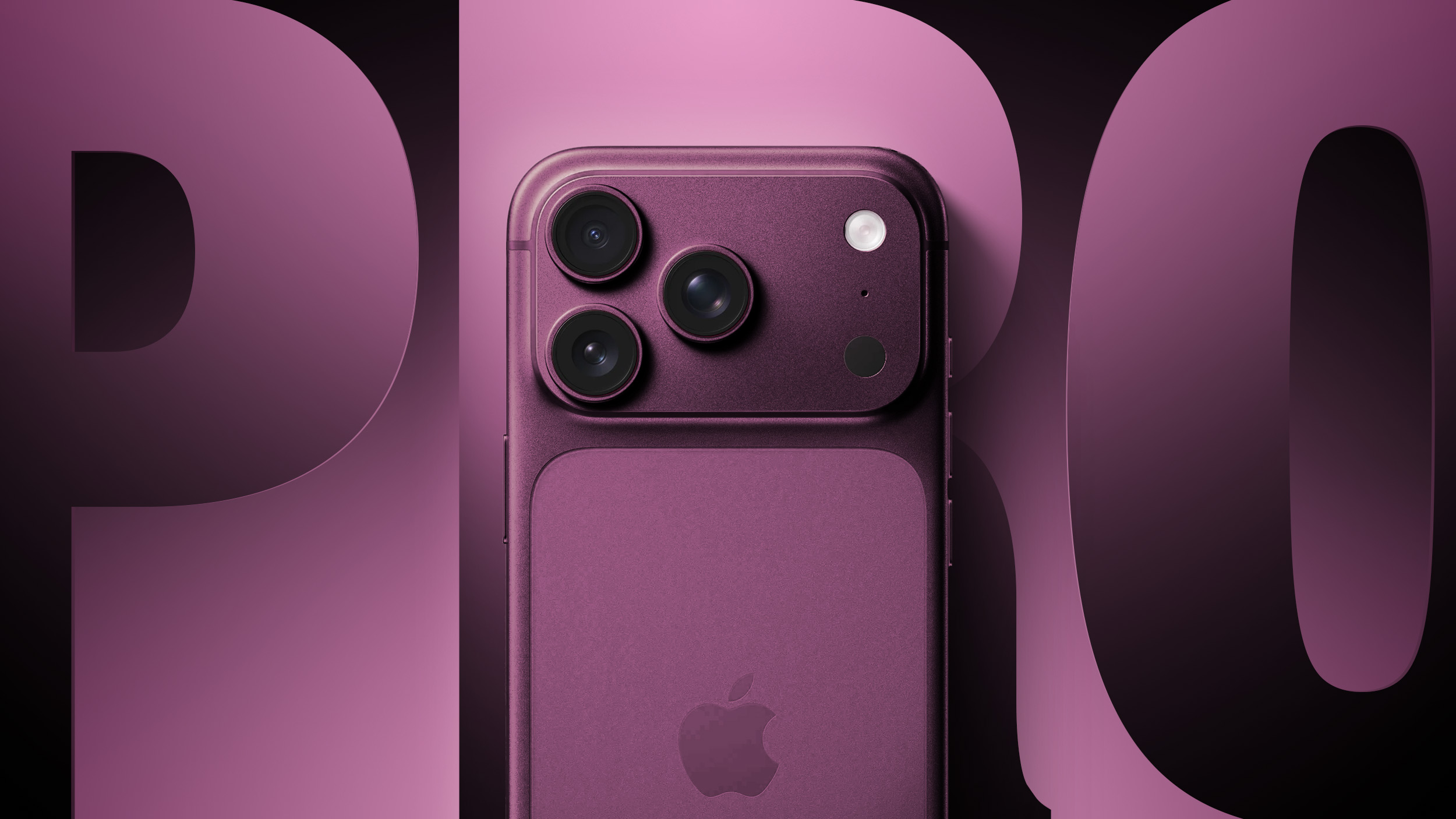
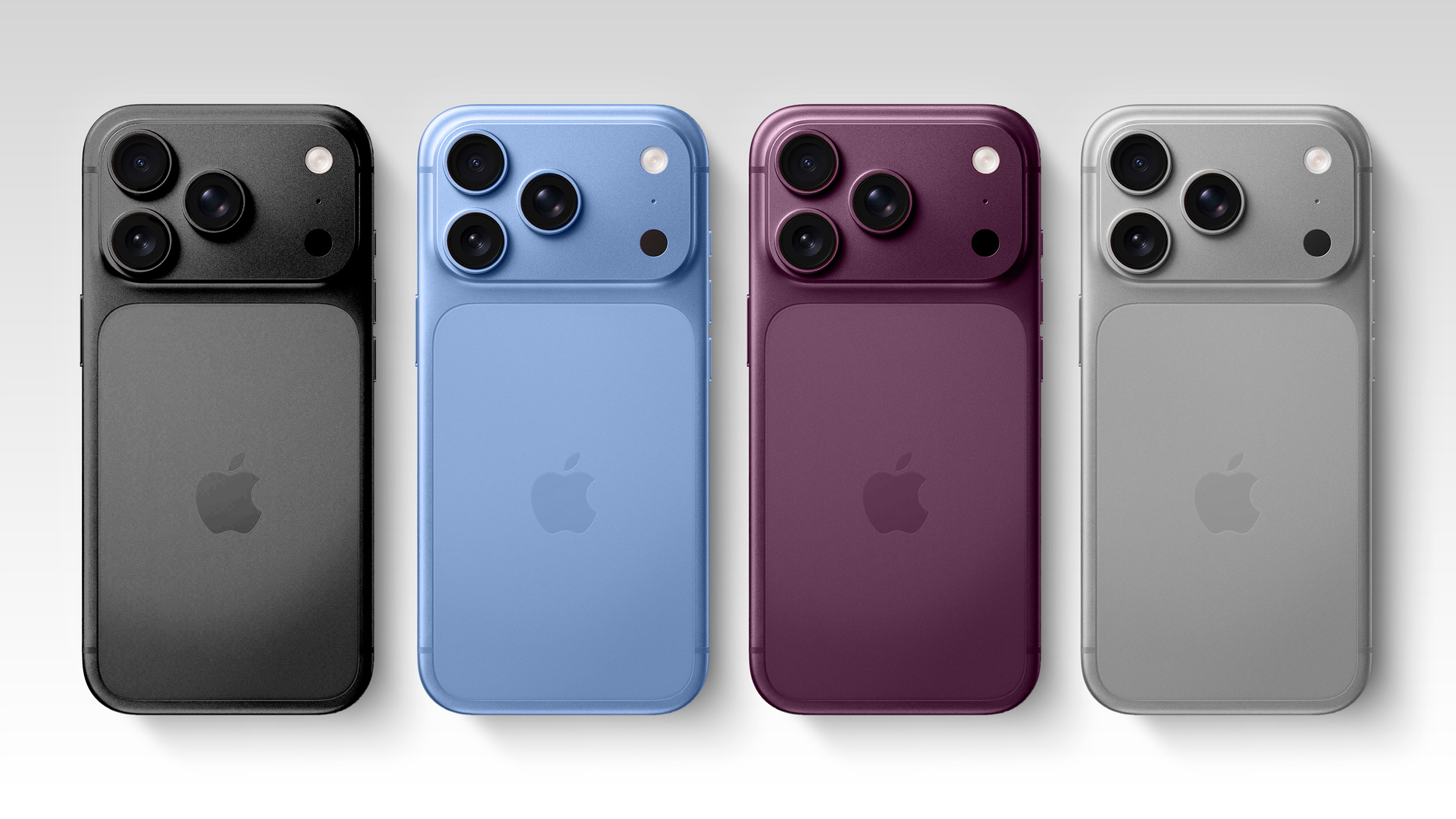
The iPhone 18 Pro introduces a mechanical aperture—a first for Apple’s flagship line. Unlike the fixed f/1.6 aperture of the iPhone 17 series, the new system can toggle between f/1.5 and f/2.2 via a miniature iris blade assembly. This variable aperture gives users direct control over depth‑of‑field and light intake, a capability previously limited to high‑end DSLRs and mirrorless cameras.
From an engineering perspective, fitting a moving iris into a smartphone chassis required a redesign of the lens stack. Apple leveraged its expertise in precision machining, using a titanium‑reinforced actuator that occupies roughly 0.3 mm of the camera module’s depth. While the mechanical parts add marginal weight, the trade‑off is a more versatile photographic toolkit.
48‑Megapixel Fusion Camera
Coupled with the aperture is a 48‑megapixel “Fusion” sensor that merges three 16‑megapixel sub‑pixels on a single silicon die. This architecture enables pixel‑binning for low‑light scenarios while preserving full‑resolution detail when lighting permits. The sensor’s larger pixel size (1.4 µm) improves signal‑to‑noise ratio, a critical factor when the aperture narrows to f/2.2.
Apple’s computational photography pipeline—still powered by the A18 Bionic’s Neural Engine—now incorporates real‑time aperture data, allowing software to blend multiple exposures based on the selected f‑stop. The result is smoother bokeh transitions and more natural background separation.
Practical Limitations
Despite the breakthrough, the mechanical aperture’s effectiveness is bounded by the iPhone’s compact sensor size. In ultra‑low‑light conditions, the smaller sensor area still limits photon capture, meaning the f/1.5 setting may not match the performance of larger‑sensor smartphones that already employ larger apertures. Nonetheless, the feature expands creative control for power users and positions Apple ahead of competitors still relying on fixed apertures.
For a deeper look at Apple’s hardware strategy, see our earlier coverage: Apple Announces Foldable iPhone Duo & iPhone 18 Pro .
iPhone Duo: Apple’s First Foldable Smartphone
Form Factor and Display Technology
The iPhone Duo adopts a vertical hinge design, reminiscent of Samsung’s Galaxy Z Fold series but with a distinct Apple aesthetic. When unfolded, the device presents a 7.2‑inch ProMotion OLED panel with a 120 Hz refresh rate and a 2,800 × 1,800 resolution. Folded, the front display shrinks to a 6.1‑inch panel that retains the same refresh rate, enabling seamless transition between phone and tablet modes.
Apple’s hinge utilizes a patented “nanolayered polymer” that reduces friction and wear. The material choice also contributes to a slimmer profile—Apple claims a 5 mm thickness when unfolded, a notable improvement over previous foldable prototypes from other manufacturers.
Camera Placement and Software Integration
Both halves of the Duo share the same rear camera array, anchored on the larger chassis to avoid the mechanical complexities of a dual‑module system. The 48‑MP Fusion sensor from the iPhone 18 Pro is also present, ensuring consistent image quality across both devices. Apple’s software detects the device’s state (folded vs. unfolded) and automatically adjusts UI scaling, app layout, and camera framing.
Market Positioning
Apple’s entry into the foldable market arrives at a time when consumer curiosity is high but adoption remains modest due to durability concerns and premium pricing. By leveraging its brand equity and integrating the mechanical aperture, Apple aims to differentiate the Duo as a “productivity‑first” device rather than a novelty.
The USB‑C article on our site provides context on how Apple’s hardware ports have evolved, a relevant backdrop for the Duo’s connectivity choices: USB‑C on Your Phone: More Than Just Charging and Data .
Industry Impact: Competitive Landscape and Supply‑Chain Considerations
Shifting the Smartphone Photography Arms Race
Apple’s mechanical aperture forces rivals to reconsider their camera roadmaps. Samsung, Google, and Huawei have all invested heavily in computational tricks to simulate aperture effects, but a true variable aperture offers a hardware advantage that software alone cannot fully replicate. Expect a wave of patents filed in the coming months as competitors explore miniaturized iris mechanisms.
Foldable Market Dynamics
The iPhone Duo’s launch could accelerate the foldable segment’s move from early adopters to mainstream consumers. Apple’s supply chain—anchored by Foxconn and TSMC—means it can secure high‑volume production of the complex hinge and flexible OLED panels. This scale may drive down costs for the entire industry, potentially prompting Android OEMs to release more affordable foldables.
Security Implications
New hardware introduces new attack surfaces. The mechanical aperture’s actuator, for instance, could be a vector for side‑channel attacks if firmware is compromised. While Apple’s Secure Enclave mitigates many risks, the broader security community remains vigilant. Our coverage of a recent iPhone‑related exploit underscores the importance of rigorous firmware validation: Zoom Zero‑Day Exploit: Remote Takeover of iPhone & Mac .
Future Outlook: What Comes After the Duo and Pro?
Software Evolution
Apple will likely roll out iOS 18 features that exploit the Duo’s dual‑state UI, such as adaptive multitasking panes and continuity enhancements with macOS. The mechanical aperture will also benefit from future AI‑driven scene detection, allowing the system to automatically select the optimal f‑stop without user input.
Potential Hardware Iterations
- Enhanced Sensor Size: To overcome the inherent limitations of small sensors, Apple may adopt a larger 1‑inch class sensor in a future “Pro Max” variant, similar to what Sony has done for its Xperia line.
- Improved Hinge Durability: Ongoing testing could lead to a self‑lubricating hinge that exceeds 200,000 folds, addressing durability concerns that have hampered earlier foldables.
- Integration of Under‑Display Camera: As the Duo matures, Apple might experiment with an under‑display front camera to eliminate the need for a separate front panel, further reducing bezel size.
Market Reception
Early analyst forecasts suggest the iPhone 18 Pro could command a starting price of $1,199, while the iPhone Duo may launch at $1,499. Premium pricing aligns with Apple’s historical strategy, but the added hardware capabilities may justify the cost for professional photographers and power users. Sales performance will be a key indicator of whether the mechanical aperture and foldable form factor become long‑term pillars of Apple’s product ecosystem.
Frequently Asked Questions
Q1: Does the mechanical aperture work in video mode?
A: Yes. The aperture can be toggled during video capture, allowing creators to adjust depth‑of‑field on the fly. However, rapid changes may introduce slight exposure shifts that the A18 Bionic’s ISP compensates for in real time.
Q2: Is the iPhone Duo water‑resistant?
A: Apple rates the Duo with an IPX8 rating for water resistance when unfolded. The hinge is sealed with a nanolayered polymer that repels moisture, but the device is not officially rated for submersion while folded.
Q3: Will existing iPhone accessories work with the Duo?
A: The Duo retains the Lightning connector for legacy accessories but also supports USB‑C for fast charging and data transfer, aligning with Apple’s broader transition to USB‑C across its product line.
Q4: How does the variable aperture affect low‑light photography?
A: At f/1.5, the larger aperture admits more light, improving low‑light performance. The 48‑MP Fusion sensor’s pixel‑binning further enhances brightness, though the small sensor size still imposes a ceiling on absolute sensitivity.
Q5: Can the hinge be repaired if damaged?
A: Apple’s warranty covers hinge defects under normal use. Out‑of‑warranty repairs will be handled by Apple Authorized Service Providers, with parts sourced from the same supply chain that produces the original units.
Apple’s September 9 event marks a pivotal moment: a new CEO with a hardware‑first mindset, a flagship iPhone that finally offers a true mechanical aperture, and a bold entry into the foldable arena. Whether these innovations translate into sustained market leadership will depend on execution, ecosystem support, and consumer willingness to embrace higher price points for cutting‑edge technology.
Source: Original Article