

Pioneering Trust in Digital Health: Apple’s AI Usage Study
In an era where artificial intelligence is rapidly permeating every facet of our lives, its application in healthcare presents both immense promise and significant challenges. Recognizing the critical need for responsible innovation, Apple has launched the Apple Health AI Usage Study, a groundbreaking U.S.-only research initiative designed to meticulously examine how individuals comprehend, evaluate, and ultimately trust AI-generated health information. This endeavor underscores Apple’s commitment to scientific rigor and clinical grounding, particularly in a domain as deeply personal as health.
The study is not merely an academic exercise; it’s a proactive step to understand the human-AI interface in a sensitive context. As Sumbul Desai, M.D., Apple’s VP of Health and Fitness, articulately states, “Health is deeply personal, and conducting a dedicated research study is the most thoughtful way to understand how people engage with, comprehend, and evaluate health AI in everyday life.” This sentiment highlights the core philosophy behind the study: to build AI tools that are not only technologically advanced but also genuinely useful, understandable, and trustworthy for everyday users.
The Apple Health AI Study App: A Deep Dive into Functionality
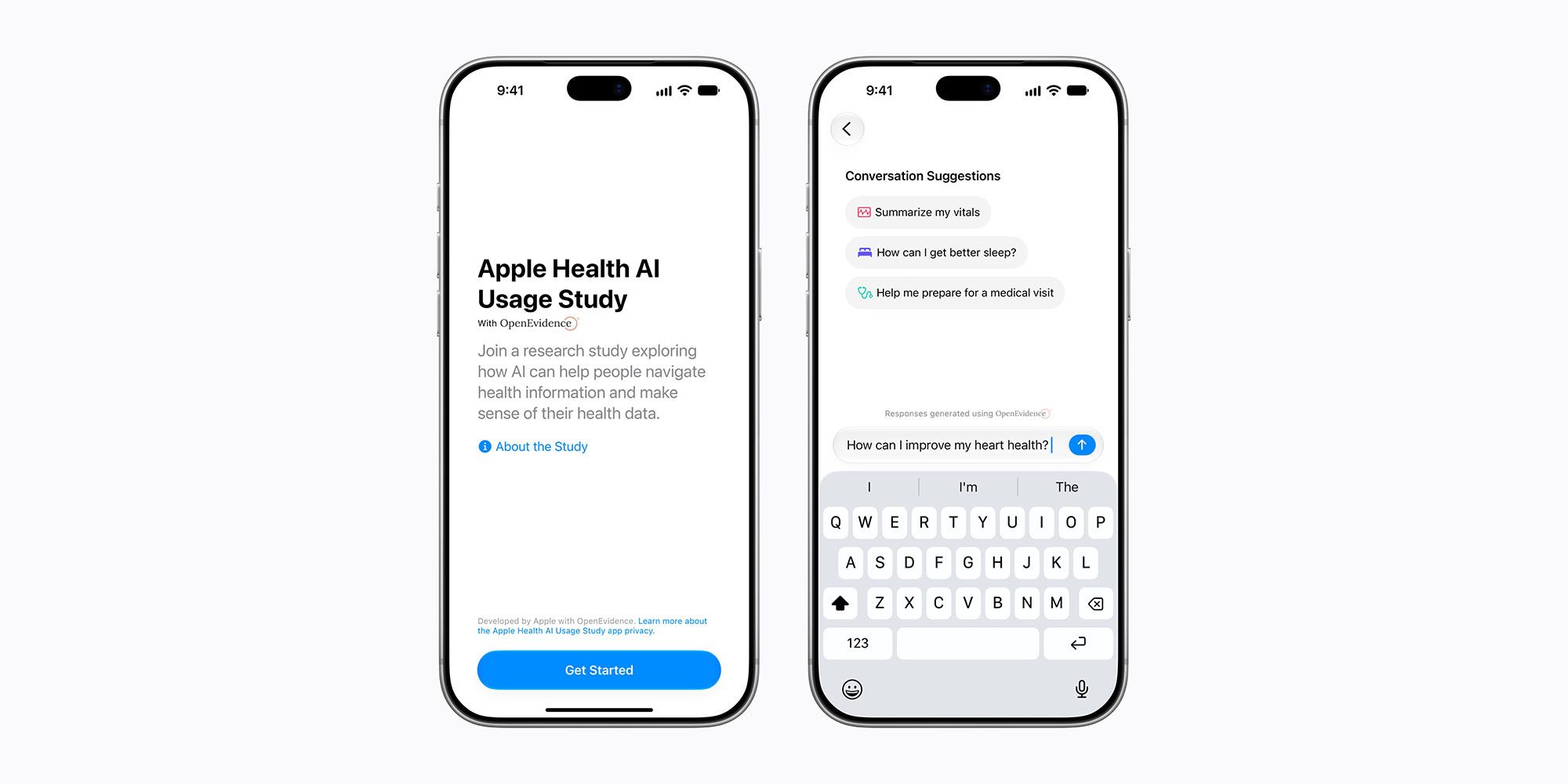
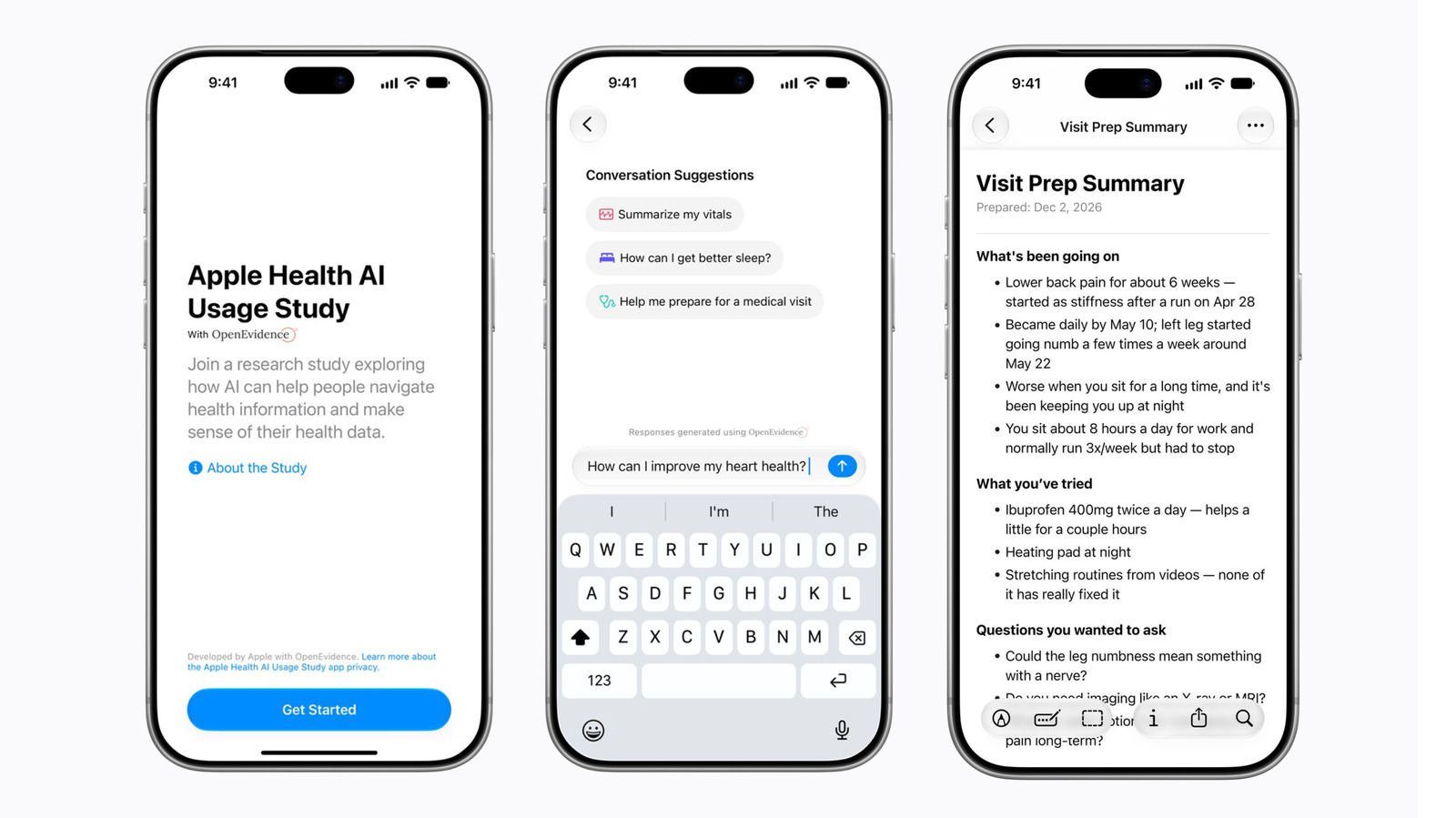
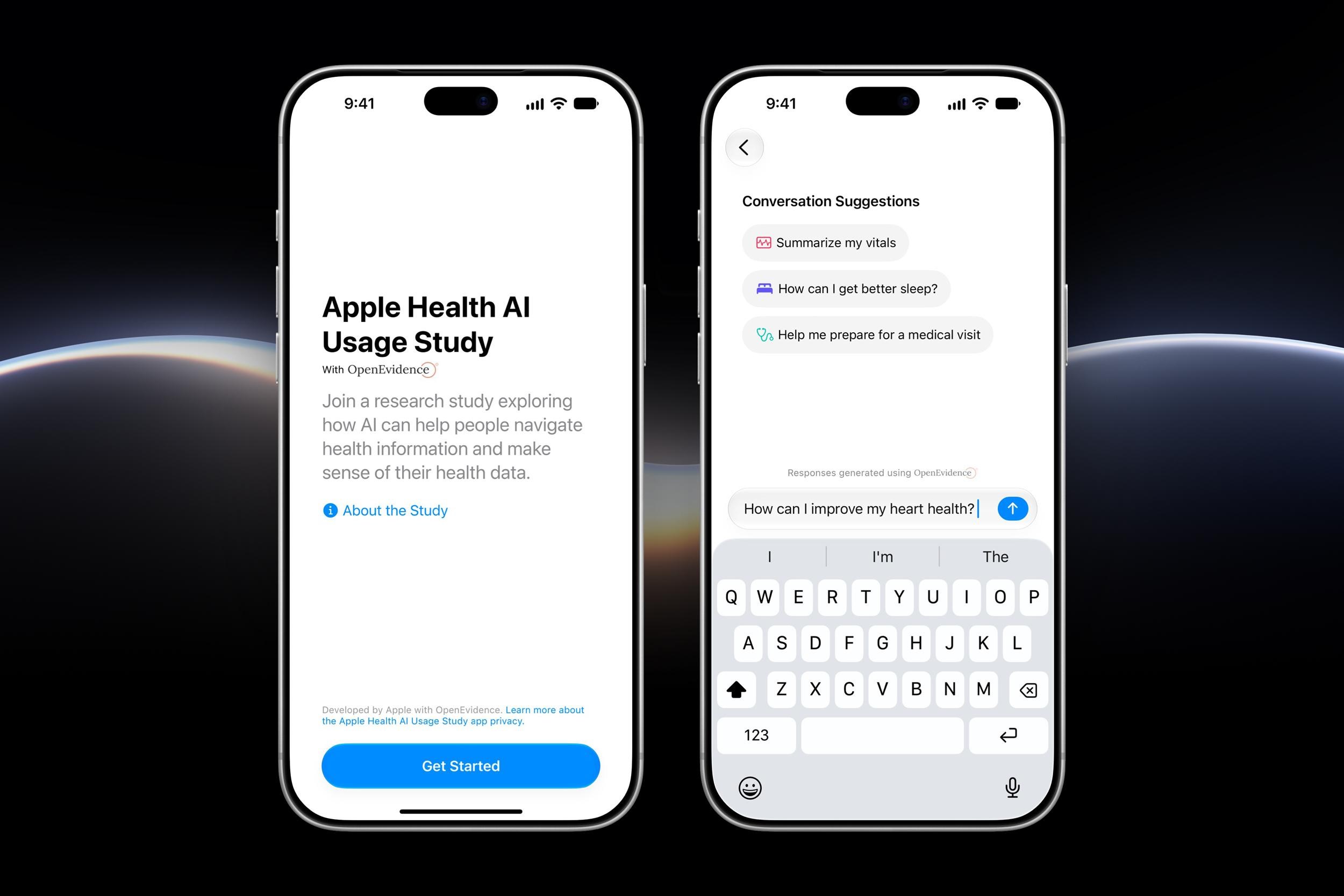
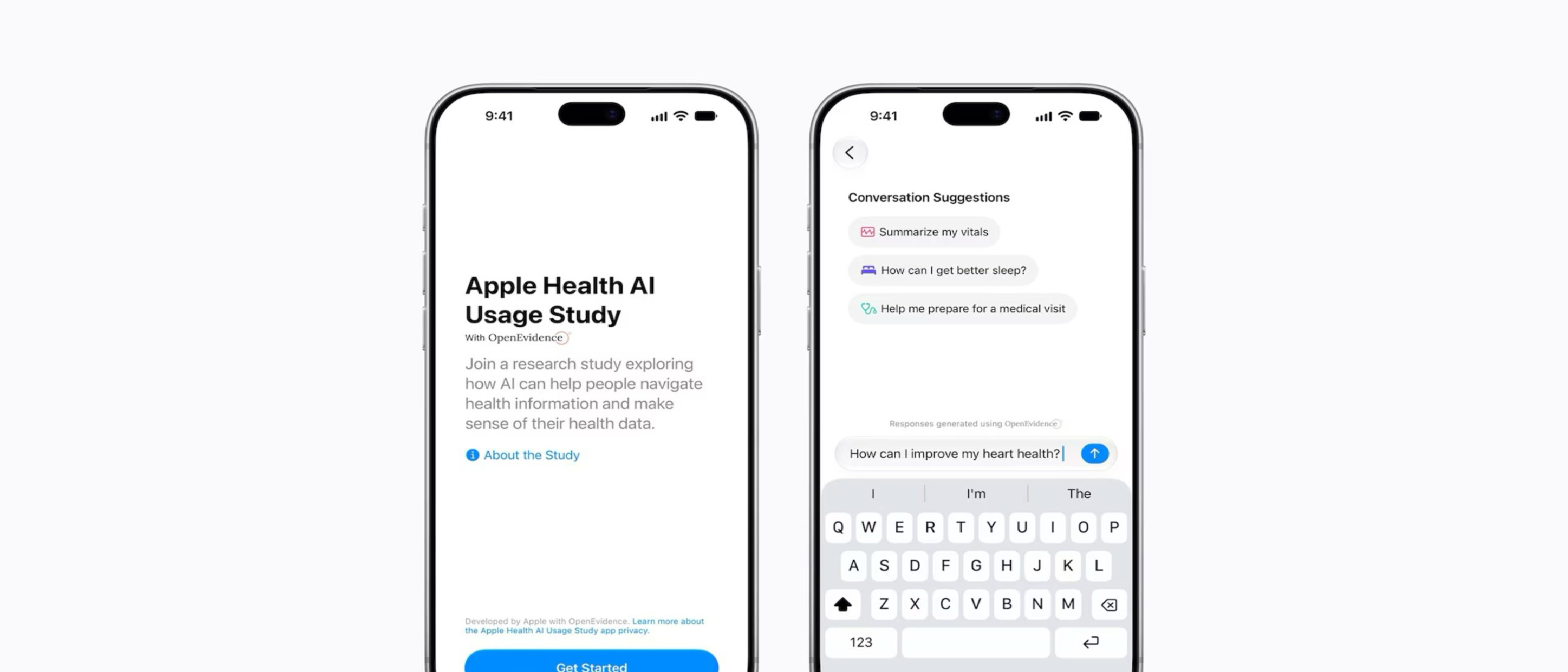
At the heart of this research is the dedicated Apple Health AI Study App, a sophisticated platform engineered to provide participants with AI-generated answers to common health questions. This application is a collaborative effort, combining Open Evidence’s specialized technology with Apple’s renowned user experience design. The app’s primary function is to distill complex medical information into approachable language, making it accessible without oversimplifying critical details.
Personalized Insights with Clinical Rigor
A standout feature of the app is its ability to offer personalized insights. Users have the option to share personal health data, such as resting heart rate, activity levels, sleep patterns, and even lab results, directly from their Health app via HealthKit. This integration allows the AI to put health data into context, helping users understand symptoms or conditions more comprehensively, and even assisting in building personalized exercise or meal plans. Crucially, every AI-generated response is backed by links to peer-reviewed clinical sources, including esteemed publications like The New England Journal of Medicine, JAMA, and Nature, ensuring that the information provided is evidence-based and credible.
Participants are not passive recipients of information. The app encourages active engagement through features that allow users to rate responses and complete occasional surveys. This feedback loop is vital for the study, providing invaluable qualitative data on user perception, satisfaction, and areas for improvement. It’s a testament to Apple’s iterative approach to product development, now applied to the realm of health AI research.
Safeguarding User Data: A Core Tenet
Given the sensitive nature of health information, data privacy and security are paramount. Apple has implemented robust safeguards within the study’s architecture. Before any question or response data reaches Open Evidence for processing, it undergoes a rigorous anonymization process to remove identifying information. Furthermore, Open Evidence is mandated to delete all question-and-response data within 24 hours, minimizing the retention period of potentially sensitive information.
A critical assurance for participants is that the study data collected will not be used to train AI models. This commitment directly addresses widespread concerns about data exploitation and reinforces the study’s sole purpose: research. Participants retain full control over their data, deciding whether to share HealthKit metrics or survey responses. This level of user autonomy is a cornerstone of Apple’s privacy philosophy, extending to its research initiatives. For a deeper look into how Apple approaches secure digital interactions, one might consider how other platforms grapple with security challenges, as discussed in articles like Zoom Zero‑Day Exploit: Remote Takeover of iPhone & Mac.
The app also incorporates intelligent safeguards designed to detect concerning questions. In such instances, the system is programmed to direct users toward appropriate healthcare providers or resources, emphasizing that the AI is a supplementary tool, not a replacement for professional medical advice. This responsible design choice highlights the ethical considerations embedded in the study.
Redefining AI’s Role in Healthcare: Industry Impact
The Apple Health AI Usage Study is poised to have a significant impact on the broader healthcare technology landscape. By rigorously studying user interaction with health AI, Apple is not just developing a product; it’s contributing to the foundational understanding of how AI can be integrated responsibly into personal health management. This initiative sets a precedent for how technology companies should approach AI in sensitive sectors, prioritizing research and user understanding over rapid deployment.
Robert M. Wachter, M.D., UCSF Professor and Chair of the Department of Medicine, eloquently captures the essence of this challenge and opportunity: “Patients and clinicians are both turning to AI, but the tools they use are being built and tested in separate worlds… Connecting these tools, and rigorously studying what works, is how we’ll get there.” His perspective underscores the current disconnect and the potential for a unified, trustworthy ecosystem where patients and doctors can leverage reliable AI tools. This study aims to bridge that gap, fostering a future where AI enhances, rather than complicates, healthcare conversations.
The insights gained from this study could inform best practices for AI development in health, influencing everything from user interface design to ethical guidelines for AI-generated content. It’s a proactive measure against the potential for “AI slop” in critical domains, a concern that resonates across various digital platforms, as explored in discussions around content quality like YouTube Fights AI Slop with New Monetization Rules. Apple’s approach ensures that the health information provided is not only accurate but also contextually appropriate and easily digestible. This commitment to quality and trustworthiness is further elaborated in our previous coverage, Apple’s Health AI Study Offers Safer Chatbot Answers.
Participation and Eligibility: Joining the Research Frontier
For U.S. residents eager to contribute to this pivotal research, participation in the Apple Health AI Usage Study is open. The study aims to recruit up to 200,000 individuals aged 21 and older. A key technical requirement is an Apple Intelligence-enabled iPhone running iOS 26 or later. Interested individuals can download the Apple Health AI Study App directly from the App Store.
It is crucial for potential participants to understand the study’s explicit purpose: it is not intended to diagnose or treat conditions, nor does it replace the advice of qualified medical professionals. The app serves as a research tool to understand interaction patterns, not a diagnostic instrument.
The Road Ahead: Shaping the Future of Health AI
The Apple Health AI Usage Study represents a significant investment in the future of digital health. By focusing on the human element—how people understand, evaluate, and trust AI—Apple is laying the groundwork for more effective, ethical, and user-centric AI applications in healthcare. The findings from this extensive study will undoubtedly provide invaluable data for developers,
developers to refine AI-driven health assistants, improve user‑experience flows, and establish evidence‑based guidelines for safe deployment. Apple plans to publish aggregated, anonymized results in peer‑reviewed venues later this year, with a public summary expected in early 2027. By sharing insights, the company hopes to catalyze industry‑wide standards that balance innovation with the utmost respect for privacy and clinical accuracy.
Anticipated Outcomes and Industry Ripple Effects
| Potential Insight | Why It Matters |
|---|---|
| Trust Metrics – How confidence scores evolve after users receive source‑linked answers | Helps designers calibrate transparency features that boost credibility |
| Engagement Patterns – Frequency of follow‑up questions and survey completion rates | Informs optimal prompting strategies to keep users informed without overwhelming them |
| Data‑Sharing Preferences – Proportion of participants who opt‑in to share HealthKit metrics | Guides future consent frameworks and the balance between personalization and privacy |
| Safety Trigger Effectiveness – Rate at which the system flags concerning queries and redirects users | Validates the efficacy of built‑in safeguards and informs regulatory compliance pathways |
If the study demonstrates that users consistently trust AI responses when they are anchored to reputable sources and when the system transparently signals its limitations, it could set a benchmark for other tech giants and health‑tech startups. Conversely, any identified gaps—such as misunderstandings of AI‑generated advice or reluctance to share personal data—will highlight areas where additional education or design tweaks are needed.
Timeline and Next Steps
- Recruitment Phase (Q4 2026 – Q1 2027) – Ongoing outreach through Apple’s ecosystem, health‑care partners, and targeted advertising.
- Data Collection (Q1 2027 – Q3 2027) – Continuous gathering of interaction logs, survey responses, and optional HealthKit data.
- Preliminary Analysis (Q3 2027) – Internal review of trust scores, safety trigger performance, and demographic breakdowns.
- External Peer Review (Q4 2027) – Submission of anonymized datasets and findings to academic conferences and journals.
- Public Release (Early 2028) – Summary of key takeaways, best‑practice recommendations, and roadmap for next‑generation health AI tools.
Apple has signaled that the learnings from this study will directly influence the next iteration of its health‑focused AI features, potentially integrating more nuanced conversational abilities into the Apple Health app and future Apple Intelligence services.
Frequently Asked Questions (FAQ)
Q: Do I need an Apple Watch to participate? A: No. While an Apple Watch can enrich the HealthKit data pool (e.g., continuous heart‑rate monitoring), the study only requires an Apple Intelligence‑enabled iPhone running iOS 26 or later.
Q: Will my personal health data be used to train Apple’s AI models? A: Absolutely not. Apple has explicitly stated that all data collected for the study will be used solely for research purposes and will never be incorporated into training datasets for commercial AI products.
Q: How is my privacy protected if I share HealthKit metrics? A: Before any data leaves your device, it is anonymized on‑device. The partner, Open Evidence, receives only de‑identified question‑and‑response pairs, which are automatically deleted after 24 hours. Apple retains the aggregated metrics in a secure, encrypted environment that complies with HIPAA and GDPR standards where applicable.
Q: What happens if I ask a medical question that the AI cannot answer safely? A: The system includes a safety‑net algorithm that detects potentially high‑risk queries (e.g., symptoms of a heart attack). In such cases, the app immediately displays a disclaimer and provides direct links to emergency services or prompts you to contact a healthcare professional.
Q: Is participation compensated? A: Participants are not paid, but Apple offers occasional incentives such as exclusive health‑insight reports, early access to new health‑related features, and entry into a raffle for Apple‑branded accessories.
Q: Can I withdraw from the study at any time? A: Yes. The app includes a “Leave Study” option in its settings, which deletes any locally stored data and revokes all future data sharing permissions.
Looking Forward
Apple’s Health AI Usage Study exemplifies a measured, research‑first approach to integrating artificial intelligence into personal health management. By centering user trust, data stewardship, and clinical rigor, the initiative not only promises to enhance Apple’s own ecosystem but also to set a precedent for responsible AI deployment across the healthcare industry. As the line between consumer technology and medical advice continues to blur, studies like this will be essential in ensuring that innovation serves the well‑being of individuals without compromising safety or privacy.
Stay tuned for updates as Apple releases interim findings and as the broader tech community reacts to the study’s outcomes.
Source: Original Article