

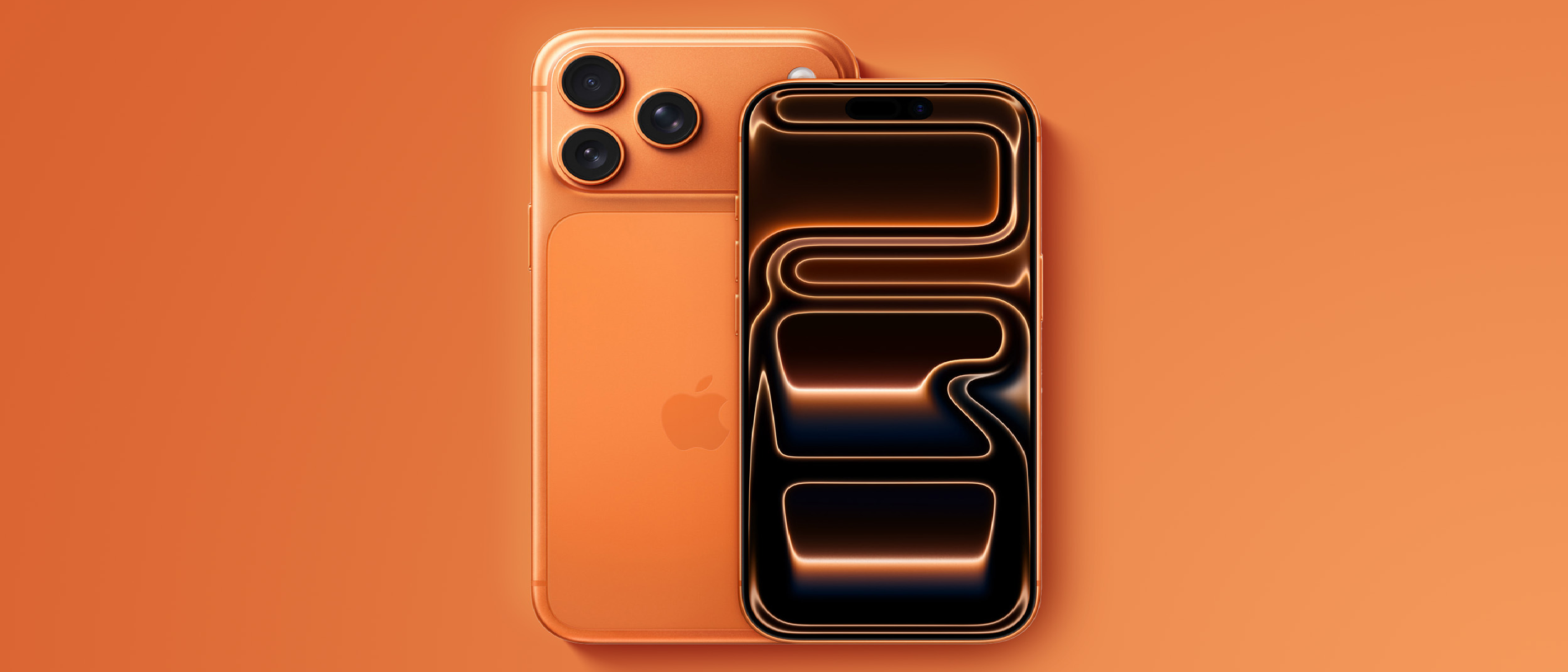
Apple’s Aggressive Cost-Cutting Strategy for iPhone 18 Pro Max
Apple is making bold moves to reduce production costs for its upcoming iPhone 18 Pro Max, targeting a 20% price cut on OLED panels from suppliers Samsung Display and LG Display. According to reports from The Elec and MacRumors, Apple has proposed paying ~$70 per panel, with negotiations potentially settling at ~$66.50—a significant drop from the ~$83.13 paid for the iPhone 17 Pro Max panels. This aggressive pricing strategy is driven by rising memory chip costs, which have forced Apple to seek savings elsewhere in its supply chain.
The negotiations highlight Apple’s determination to maintain profit margins while keeping the iPhone 18 Pro Max priced at $1,399—a $200 increase over its predecessor. However, the price hike is largely attributed to higher memory and storage costs, not display improvements. If successful, this deal could set a new benchmark for OLED panel pricing in the smartphone industry.
Why Apple Is Pushing for a 20% Price Cut
1. Rising Memory Costs Force Cost Optimization
Apple’s decision to slash OLED panel prices stems from escalating memory chip costs, which have surged due to increased demand for AI and high-capacity storage. Since memory is a major cost driver in modern smartphones, Apple is compensating by negotiating lower prices for other components, including displays.
This trend isn’t unique to Apple—other smartphone manufacturers are also exploring ways to offset rising component costs. For example, Samsung and Google have adjusted pricing strategies for their flagship devices, but Apple’s supply chain dominance gives it more leverage in negotiations.
2. Supplier Resistance and Compromise
While Apple initially proposed $70 per panel, suppliers like Samsung Display and LG Display are pushing back, citing higher manufacturing costs due to the new M16 OLED material set. This advanced material improves luminous efficiency, lifespan, and color performance, but it also increases production complexity.
Industry analysts suggest that a compromise at ~$66.50 per panel is likely, representing a 20% reduction from the iPhone 17 Pro Max pricing. If achieved, this would mark one of the steepest year-over-year price cuts in Apple’s OLED supply history.
3. Impact on iPhone 18 Pro Max Pricing
Despite the $200 price increase for the iPhone 18 Pro Max, Apple is not passing display cost savings to consumers. Instead, the extra revenue will offset higher memory and storage expenses. This strategy ensures that profit margins remain stable, even as component costs rise.
For consumers, this means no direct benefit in display pricing, but Apple’s ability to negotiate lower panel costs could prevent even steeper price hikes in the future.
Technical Breakdown: What’s New in iPhone 18 OLED Panels?
1. Samsung’s M16 OLED Material Set
The iPhone 18 Pro Max will feature Samsung Display’s latest M16 OLED material set, which offers:
- Improved luminous efficiency (brighter displays with lower power consumption)
- Enhanced lifespan (reduced burn-in risk over time)
- Better color accuracy (wider gamut and more precise calibration)
However, the M16 material set introduces manufacturing challenges, which may explain why suppliers are resisting Apple’s price demands. The new process requires more precise deposition techniques, increasing production costs.
2. Supply Estimates for iPhone 18 Lineup
Apple’s 2024 iPhone 18 lineup will rely heavily on Samsung Display and LG Display for OLED panels. Here’s the breakdown:
| Model | Samsung Display (Panels) | LG Display (Panels) |
|---|---|---|
| iPhone 18 (Standard) | 2 million | 1 million |
| iPhone 18 Pro | 18 million | 19 million |
| iPhone 18 Pro Max | 26 million | 21 million |
| Total | 46 million | 41 million |
The iPhone 18 Pro Max remains the highest-volume model, reflecting its premium positioning in Apple’s lineup.
Industry Impact: How This Affects the Smartphone Market
1. A New Benchmark for OLED Pricing
If Apple secures a 20% price cut, it could pressure other smartphone brands to renegotiate their own OLED contracts. Companies like Samsung, Google, and OnePlus may follow suit, leading to lower display costs across the industry.
However, suppliers like Samsung Display and LG Display may offset losses by increasing prices for non-Apple clients, potentially raising costs for mid-range and budget smartphones.
2. Apple’s Supply Chain Dominance
Apple’s ability to dictate pricing to its suppliers underscores its unmatched leverage in the tech industry. Unlike smaller brands, Apple can demand steep discounts due to its massive order volumes.
This dynamic could further consolidate Apple’s control over the OLED supply chain, making it harder for competitors to secure favorable deals.
3. Future of Foldable iPhones
The iPhone 18 Pro Max negotiations come as Apple prepares to launch its first foldable iPhone in September 2024. If Apple can reduce OLED costs for traditional iPhones, it may apply similar pressure to foldable display suppliers, potentially lowering prices for future foldable devices.
For more on how Apple is shaping the future of smartphone displays, check out our coverage on Wyze’s new Smart Scale , which explores how miniaturized tech is influencing consumer electronics.
What This Means for Consumers
1. No Immediate Price Relief
Despite the OLED price cut, the iPhone 18 Pro Max will still launch at $1,399—a $200 increase over the iPhone 17 Pro Max. The savings will offset memory costs, not reduce the final price.
2. Better Displays, Same Price
The M16 OLED material set promises brighter, more efficient screens, but consumers won’t see a direct cost benefit. Instead, Apple is reinvesting savings into other components to maintain performance.
3. Long-Term Implications
If Apple succeeds in lowering OLED costs, future iPhones could see more aggressive pricing strategies. However, if suppliers resist further cuts, Apple may pass costs to consumers in other ways, such as reduced storage upgrades or higher base prices.
For insights into how AI and automation are shaping tech pricing, read our analysis on Claude’s Voice Mode Upgrade , which explores how AI-driven efficiency could impact hardware costs.
FAQ: Key Questions About Apple’s OLED Price Cut
1. Why is Apple cutting OLED panel prices?
Apple is offsetting rising memory chip costs by negotiating lower prices for other components, including OLED displays.
2. How much will the iPhone 18 Pro Max cost?
The iPhone 18 Pro Max is expected to start at $1,399, a $200 increase over the iPhone 17 Pro Max.
3. Will this affect iPhone 18 display quality?
No—the M16 OLED material set improves brightness, efficiency, and color accuracy, so consumers will see better displays, not cost-cutting compromises.
4. When will the iPhone 18 launch?
The iPhone 18 Pro and Pro Max are expected in September 2024, while the standard iPhone 18 may arrive in spring 2027.
5. How does this compare to other smartphone brands?
Apple’s supply chain dominance allows it to negotiate steeper discounts than competitors like Samsung or Google, which may face higher display costs as a result.
For more on how tech giants are adapting to rising costs, check out our article on YouTube’s AI Slop Policies , which examines how AI-generated content is reshaping digital platforms.
Conclusion: A High-Stakes Negotiation with Industry-Wide Implications
Apple’s push for a 20% OLED price cut is a strategic move to offset rising memory costs while maintaining profit margins. If successful, this deal could reshape the smartphone display market, forcing competitors to renegotiate their own supply contracts.
However, suppliers like Samsung Display and LG Display are resisting steep cuts, citing higher manufacturing costs for the M16 OLED material set. The final price—likely ~$66.50 per panel—will determine whether Apple can sustain its aggressive cost-cutting strategy without compromising display quality.
For consumers, the iPhone 18 Pro Max will offer better screens at a higher price, but the real impact will be felt behind the scenes, where Apple’s supply chain dominance continues to reshape the tech industry.
Source: Original Article