

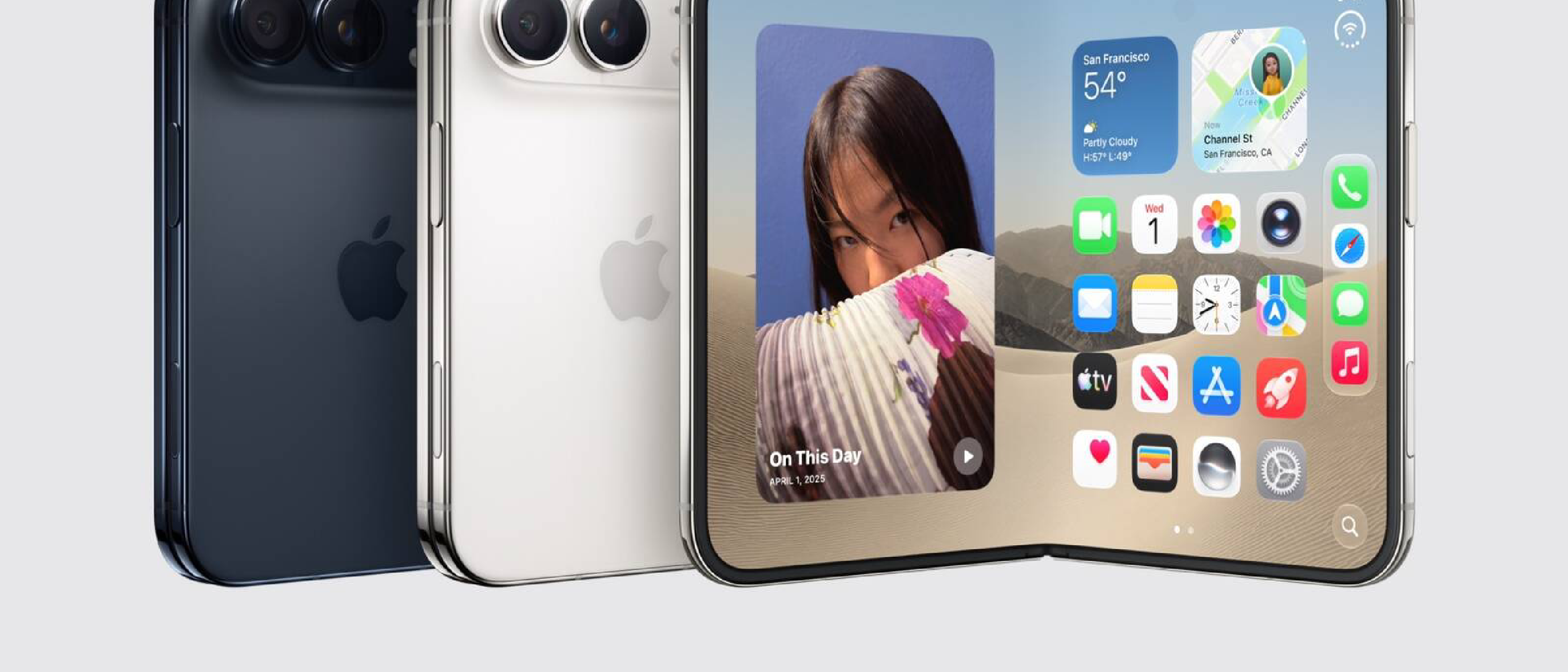
Overview of the Replaceable Nano‑Texture Layer
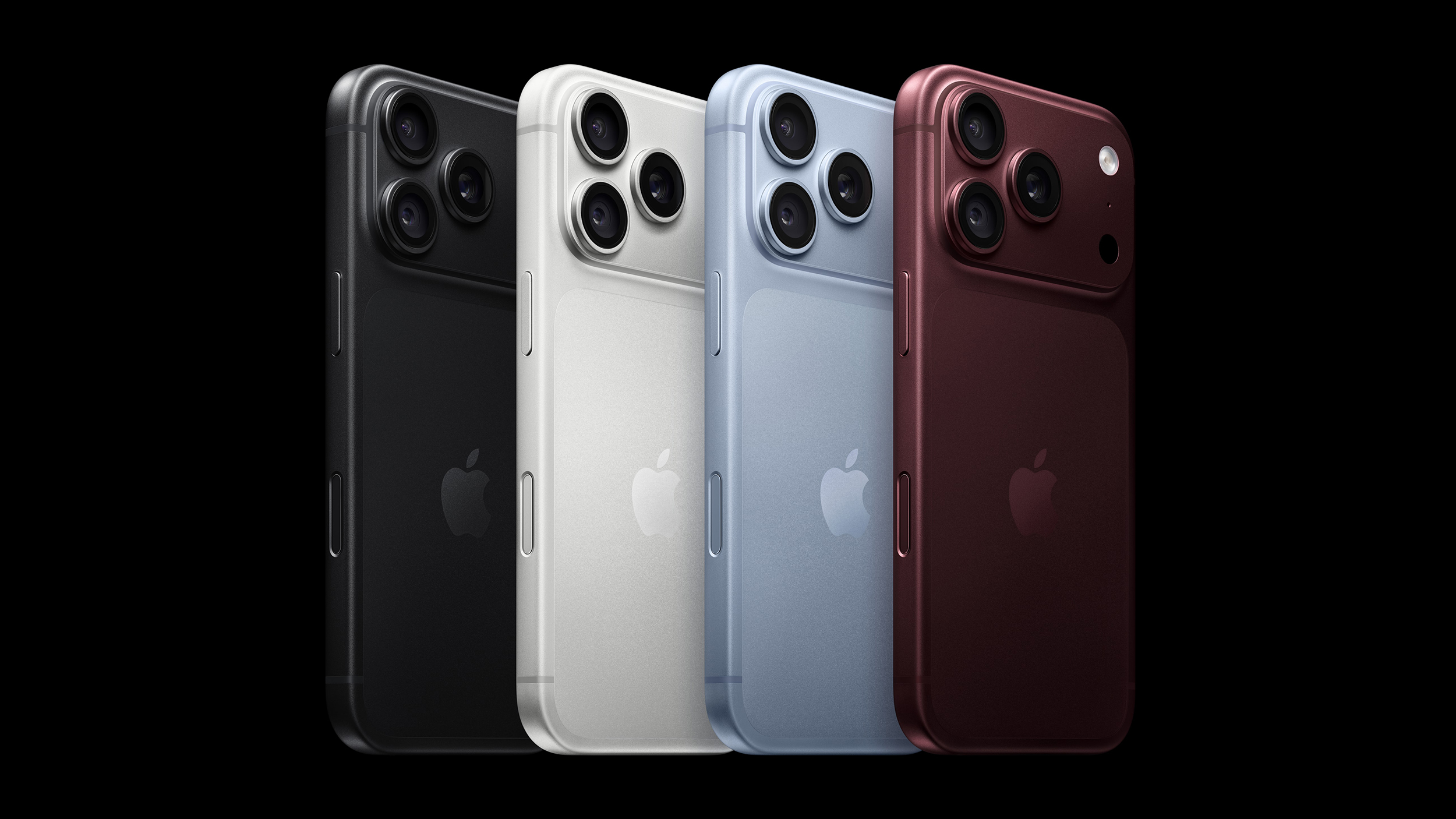
Apple’s latest foldable offering, the iPhone Duo, arrives with a design nuance that has been absent from most competitors: a replaceable nano‑texture cover layer positioned directly above the inner foldable display. The layer’s primary purpose is to mask the inevitable crease that appears where the screen folds, while also providing a tactile surface that feels consistent with the rest of the device.
During an interview with content creator Angelica Siciliani Fendi, Vice President of Hardware Engineering Kate Bergeron explained that the layer is engineered for longevity yet intentionally serviceable. “It’s actually replaceable, which is a really nice thing for the customer that you can peel off that layer and get a new one,” Bergeron said. Apple plans to sell the replacement for $19 when the customer is covered by AppleCare+, though pricing without the plan has not yet been disclosed.
The layer is not a simple adhesive film. Apple describes it as a nano‑textured polymer that interacts with light at a microscopic level to reduce the visual prominence of the fold line. By scattering incoming light, the texture blurs the sharp edge that would otherwise be visible, delivering a more seamless visual experience.
Technical Breakdown of the Layer Design
Materials and Manufacturing
Apple’s engineering team reportedly spent a “significant amount of engineering work” on the material composition. While Apple has not released the exact polymer blend, industry analysts infer the following characteristics:
- High‑index optical polymer: Enhances light diffusion, reducing contrast at the crease.
- Nano‑scale surface roughness: Measured in the range of 50‑100 nm, sufficient to scatter light without compromising touch sensitivity.
- Durable coating: Resistant to scratches and oil buildup, extending the functional lifespan of the layer.
The manufacturing process likely involves roll‑to‑roll nano‑imprinting, a technique Apple has used for other high‑precision components such as the back glass of the iPhone 15 Pro series.
Integration with the Foldable Display Stack
The iPhone Duo’s inner display follows a conventional foldable OLED stack: a flexible substrate, organic layers, and a thin encapsulation film. The nano‑texture layer sits above the encapsulation film, meaning it does not interfere with the display’s electrical operation. Its placement also simplifies replacement: the layer can be peeled away without disturbing the delicate OLED stack underneath.
Serviceability Mechanics
Apple has not confirmed whether the layer can be removed by end‑users with a simple peel‑off method, but the company’s service guidelines suggest that Apple Stores and Authorized Service Providers will handle the replacement. This mirrors Apple’s approach to other consumable components, such as the battery‑replacement program for older iPhone models.
Serviceability and Cost Implications
Pricing Structure
- With AppleCare+: $19 per replacement (U.S. pricing). This low price point is comparable to the cost of a screen protector for a standard iPhone.
- Without AppleCare+: Pricing is pending. Historically, Apple has charged higher fees for out‑of‑warranty service, so the cost could be substantially higher.
Replacement Workflow
- Diagnostic Check – The service technician verifies that the crease visibility exceeds acceptable thresholds.
- Layer Removal – Using a specialized tool, the old nano‑texture layer is gently peeled away.
- Installation – A fresh layer is aligned and adhered, ensuring no air bubbles or misalignment.
- Quality Assurance – The device undergoes a visual inspection and functional test.
Because the layer does not involve any electrical connections, the replacement process is relatively quick—potentially under 15 minutes in a store setting.
Environmental Considerations
Apple’s decision to make the layer replaceable rather than a permanent part aligns with its broader environmental goals. By extending the usable life of the foldable display, the company reduces electronic waste. However, the layer itself is a single‑use polymer, and Apple has not disclosed a recycling program specific to it.
Why It Matters for Consumers
Enhanced Longevity of Foldable Devices
Foldable smartphones have historically suffered from crease fatigue—the visible line becomes more pronounced over time, diminishing the premium feel. The replaceable nano‑texture layer offers a maintenance pathway that was missing from earlier models like the Samsung Galaxy Z Fold series.
Cost‑Effective Maintenance
At $19 with AppleCare+, the replacement cost is well below the price of a full screen repair. For consumers who pre‑order the iPhone Duo on October 16 and receive the device on October 23, the low‑cost upkeep could be a decisive factor in the purchase decision.
User Experience Consistency
The layer’s nano‑texture not only hides the crease but also preserves touch responsiveness. Early hands‑on impressions suggest that the layer feels similar to the rest of the screen, avoiding the “plastic film” sensation that some competitors’ protective layers exhibit.
Industry Impact and Competitive Landscape
Setting a New Service Standard
Apple’s move may pressure other manufacturers to adopt similar serviceable components. Samsung, Huawei, and Motorola have all experimented with foldable designs, but none have announced a replaceable cover layer. If Apple’s approach proves popular, we could see a shift toward modular consumables in the foldable market.
Comparison with Existing Security Concerns
While the nano‑texture layer is a hardware improvement, it indirectly influences security. A well‑maintained display reduces the risk of micro‑cracks that could be exploited for hardware attacks. For context, Apple’s recent iPhone security incident—documented in the Zoom Zero‑Day Exploit: Remote Takeover of iPhone & Mac article—highlights how hardware integrity can affect overall device security.
Lessons from Other Device Ecosystems
The Xteink X4 Pro review (see Xteink X4 Pro: Tiny Pocket Reader, Big Limitations ) illustrates how small form‑factor devices benefit from replaceable components, such as swappable batteries. Apple’s strategy mirrors this philosophy, applying it to a premium smartphone form factor.
Future Outlook for Foldable Devices
Potential for User‑Replaceable Layers
If consumer feedback is positive, Apple could expand the replaceable concept to other parts of the device—perhaps a protective outer shell or even a modular camera lens cover. This would further differentiate the iPhone Duo in a crowded market.
Integration with Software Features
Apple may eventually tie the layer’s condition to software diagnostics. For example, iOS could alert users when the crease becomes more visible and suggest a replacement, similar to battery health notifications.
Broader Market Implications
The replaceable nano‑texture layer could become a benchmark for durability in foldable technology. As manufacturers chase thinner hinges and larger foldable screens, a serviceable solution to the crease problem will be essential for mainstream adoption.
Frequently Asked Questions
Q1: Can I replace the nano‑texture layer myself?
Answer: Apple has not confirmed a DIY method. Current guidance points to Apple Stores or Authorized Service Providers for replacement.
Q2: Does the replacement affect the warranty?
Answer: Replacements performed by Apple or its authorized partners are covered under the standard device warranty and AppleCare+ terms.
Q3: How often will I need to replace the layer?
Answer: The layer is engineered for a “significant amount of engineering work” to maximize lifespan. Most users are unlikely to need a replacement within the typical 2‑year ownership period unless the device is heavily folded.
Q4: Will the replacement layer affect screen clarity or touch sensitivity?
Answer: No. The nano‑texture is designed to be optically neutral and fully compatible with the touch sensor stack, preserving the original display experience.
Q5: Is the $19 price the same worldwide?
Answer: The quoted price applies to the United States with AppleCare+. International pricing may vary based on local taxes and service policies.
Conclusion
Apple’s introduction of a replaceable nano‑texture cover layer on the iPhone Duo marks a pivotal evolution in foldable smartphone design. By addressing the long‑standing crease visibility issue through a serviceable, low‑cost component, Apple not only enhances the user experience but also sets a new benchmark for durability and maintainability in the premium mobile market. The move could catalyze industry‑wide adoption of modular consumables, reshaping how manufacturers think about the lifecycle of foldable devices. As pre‑orders open on October 16 and
the device officially launches on October 23, the iPhone Duo is positioned not just as a luxury foldable, but as a sustainable and practical tool for the long term.
Source: Original Article