

Overview of the Hide My Email Reversal
Earlier this year Apple announced that the disposable‑address service Hide My Email, bundled with iCloud+, would migrate from the familiar @icloud.com domain to a new @private.icloud.com suffix. The announcement sparked an immediate wave of criticism on Reddit, Twitter, and other forums, with privacy‑focused users arguing that the new domain would make the service’s purpose less opaque.
On Monday, Apple issued a terse clarification: “Hide My Email addresses ‘will remain’ on @icloud.com.” The statement, while brief, effectively cancelled the planned domain shift. The reversal was first reported by Daring Fireball’s John Gruber, who cited internal employee objections as a key factor.
This episode is more than a naming dispute; it touches on Apple’s broader privacy narrative, the technical architecture of disposable email services, and the company’s internal decision‑making culture.
Technical Breakdown of Hide My Email
How the feature works
- Generation – When a user opts to hide their real address, iCloud+ creates a unique, random alias that looks like any other Apple‑managed email address.
- Routing – Incoming mail to the alias is automatically forwarded to the user’s primary iCloud inbox. The forwarding happens on Apple’s servers, preserving the user’s original mailbox layout.
- Law‑enforcement access – Although the alias is opaque to external parties, Apple retains a mapping table that links each disposable address to the underlying Apple ID. This mapping can be disclosed under a valid legal request.
Why the domain matters
The original @icloud.com domain is indistinguishable from a regular Apple email address. Recipients see a familiar suffix, which helps the alias blend into everyday communications. Switching to @private.icloud.com would have introduced a visual cue that the address is a disposable alias, potentially undermining the “privacy by obscurity” principle that many users rely on.
From a technical standpoint, the domain change would have required:
- Database migration – Updating every existing alias record with the new suffix.
- MX record adjustments – Ensuring mail exchange servers correctly route the new domain.
- Client‑side updates – Modifying iOS, macOS, and web UI components to display the new domain without breaking existing workflows.
None of these steps are inherently risky, but they add operational overhead and open a narrow window for bugs—something Apple has already experienced with Hide My Email.
Why It Matters to Users and the Industry
User perception of privacy
Privacy‑savvy users choose Hide My Email precisely because the alias appears indistinguishable from a “real” Apple address. The visual cue of @private.icloud.com would have signaled to recipients—and potentially to data‑mining algorithms—that the address is a disposable proxy. This could reduce the effectiveness of the feature in contexts such as newsletters, marketing lists, or social media sign‑ups where anonymity is desired.
Competitive landscape
Apple’s privacy positioning is a differentiator against rivals like Google (with its “App Passwords”) and Microsoft (with “Alias” in Outlook). A domain shift that made the service’s nature obvious could have eroded that advantage, giving competitors a talking point in the ongoing “privacy arms race.”
Brand consistency
Apple’s ecosystem thrives on seamless integration. A sudden suffix change would have required developers to update code that validates email domains, potentially breaking third‑party apps that whitelist @icloud.com addresses. Maintaining the status quo avoids a cascade of compatibility issues.
Community and Internal Pushback
Social media backlash
Within hours of the announcement, Reddit threads titled “@private.icloud.com is a privacy nightmare” amassed thousands of up‑votes. Users argued that the new domain would make it trivial for advertisers to flag and discard Apple‑generated aliases, effectively nullifying the service’s value.
Employee dissent
John Gruber reported that Apple engineers and product managers raised concerns internally. According to the Daring Fireball article, “Apple employees had objected to the change all along.” While Apple did not disclose the exact nature of the objections, it is reasonable to infer that the technical team highlighted the migration complexity and the potential for user confusion.
Apple’s silent response
Apple’s public statement was limited to confirming that addresses “will remain” on @icloud.com. No official rationale was offered, suggesting that the company preferred to avoid a prolonged public debate. The brevity of the response aligns with Apple’s typical approach to privacy‑related product adjustments—quietly revert when user sentiment is strongly negative.
Security Implications and the Bug History
The 404 Media leak
Earlier this year, security outlet 404 Media uncovered a bug where rejected spam messages inadvertently exposed the real email address behind a Hide My Email alias. The flaw stemmed from a mis‑routed bounce message that included the original sender’s address in the email headers.
Apple patched the issue more than a year after first learning of it, demonstrating a slower-than‑ideal response time for a privacy‑centric feature. The incident underscores the delicate balance between forwarding logic and header sanitization.
Lessons from other Apple security incidents
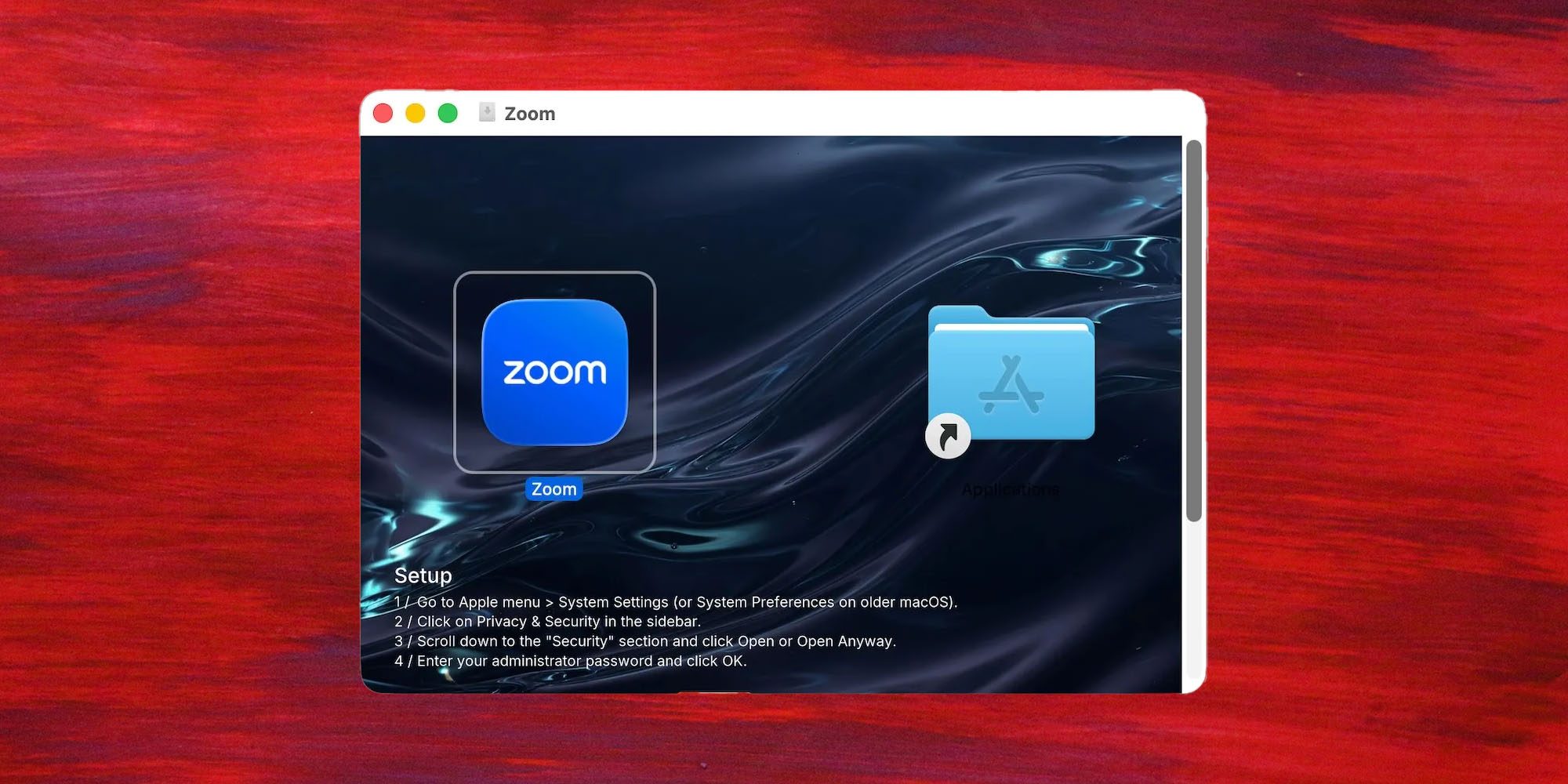
Apple’s handling of the Hide My Email bug can be contrasted with its rapid response to the Zoom Zero‑Day Exploit that allowed remote takeover of iPhone and Mac devices. In that case, Apple issued emergency patches within days, reflecting a higher priority for vulnerabilities that could lead to full device compromise.
Similarly, the Mac Antivirus Intego One article highlights how third‑party security tools monitor Apple’s ecosystem for such lapses, reinforcing the importance of external scrutiny.
The disparity in response times suggests that Apple may prioritize bugs based on perceived impact. While a leak of a disposable address is serious for privacy advocates, it does not pose the same systemic risk as a remote code execution flaw.
Future Outlook for Apple’s Privacy Features
Potential enhancements
- Granular control – Allowing users to set expiration dates for each alias, similar to Google’s “App Password” rotation.
- Domain‑agnostic aliases – Supporting custom domains for enterprise iCloud+ plans, giving businesses
greater flexibility in managing disposable addresses.
- Enhanced transparency – Providing users with a dashboard to track alias usage, including metrics on forwarded emails and spam rejection rates.
Regulatory considerations
As governments worldwide tighten data protection laws—such as the EU’s Digital Markets Act (DMA) and California’s Delete Act—Apple’s privacy features face increasing scrutiny. Regulators may demand clearer disclosures about how disposable addresses are managed, stored, and shared with law enforcement. The reversal of the domain change could be seen as a preemptive move to avoid regulatory friction, particularly if @private.icloud.com were interpreted as a separate data-handling entity under privacy laws.
The role of third-party audits
Apple’s privacy claims have historically relied on internal audits and self-certification. However, the 404 Media bug and other incidents highlight the need for independent security reviews. Competitors like ProtonMail and Tutanota have embraced third-party audits to bolster user trust. If Apple were to subject Hide My Email to similar external validation, it could mitigate future controversies and reinforce its privacy-first branding.
Conclusion: A Win for Privacy by Obscurity
Apple’s decision to retain @icloud.com for Hide My Email addresses is a rare public concession to user feedback and internal dissent. While the reversal may seem minor—a domain suffix change, after all—it underscores a fundamental tension in privacy design: obscurity versus transparency. For a feature like Hide My Email, obscurity is the product. By keeping aliases indistinguishable from regular Apple addresses, Apple preserves the service’s core value proposition.
The episode also reveals the limits of Apple’s top-down decision-making. Despite the company’s reputation for secrecy and control, employee objections and public backlash forced a course correction. This suggests that even Apple, with its vertically integrated ecosystem, cannot ignore the collective voice of its user base and workforce.
Looking ahead, the reversal sets a precedent for how Apple handles privacy-related changes. Future updates to features like Private Relay or Mail Privacy Protection may face similar scrutiny, pushing the company to adopt more iterative, user-tested rollouts. For now, Hide My Email remains a testament to the power of privacy by obscurity—and the importance of listening to the people who rely on it.
FAQ
Why did Apple originally plan to change the domain?
Apple has not publicly explained the rationale behind the @private.icloud.com shift. Speculation includes:
- Technical segregation: Isolating disposable addresses from regular iCloud mail to simplify backend management.
- Branding: Creating a clearer distinction between “private” and “public” Apple services.
- Future-proofing: Preparing for potential expansions of Hide My Email, such as custom domains or enterprise features.
However, the lack of transparency left users and employees skeptical, particularly given the privacy implications.
Will this reversal affect existing Hide My Email addresses?
No. Apple confirmed that all existing aliases will continue to function without interruption. Users do not need to take any action, and new aliases will still be generated under @icloud.com.
How does Hide My Email compare to competitors like ProtonMail or SimpleLogin?
| Feature | Apple Hide My Email | ProtonMail (Alias) | SimpleLogin |
|---|---|---|---|
| Domain | @icloud.com | @pm.me or custom domains | Custom domains |
| Pricing | Bundled with iCloud+ | Paid plans (Proton Unlimited) | Free tier + paid plans |
| Law enforcement access | Yes (Apple retains mapping) | No (zero-access encryption) | No (open-source) |
| Custom domains | No | Yes (paid plans) | Yes |
| Expiration controls | No | No | Yes (paid plans) |
Apple’s advantage lies in its seamless integration with iOS and macOS, while competitors offer more granular control and open-source transparency.
What should users do if they suspect their real email was leaked?
- Check for bounce messages: If you received a spam rejection email that included your real address in the headers, the bug may have affected you.
- Rotate aliases: Generate new Hide My Email addresses for sensitive accounts (e.g., banking, social media).
- Monitor for spam: An uptick in spam to your real address could indicate a leak.
- Report to Apple: Use the Feedback Assistant app to notify Apple of any suspicious activity.
Could Apple reintroduce the domain change in the future?
While possible, it seems unlikely in the near term. The backlash demonstrated that users value the current domain’s obscurity, and Apple has not provided a compelling reason to revisit the decision. Any future changes would likely involve:
- User opt-in: Allowing users to choose between @icloud.com and @private.icloud.com.
- Phased rollout: Testing the change with a small subset of users before wider adoption.
- Clearer communication: Explaining the benefits of the new domain upfront to avoid misinterpretation.
How can I provide feedback to Apple about Hide My Email?
Apple encourages user feedback through:
- Feedback Assistant (built into iOS, macOS, and iPadOS).
- Apple Support Communities ( discussions.apple.com ).
- Social media: Tagging @AppleSupport on Twitter/X or other platforms.
For privacy-related concerns, submitting feedback via Apple’s Privacy Feedback Form ( apple.com/privacy ) may increase visibility.
Source: Original Article