
What Is the New Polishing Cloth?
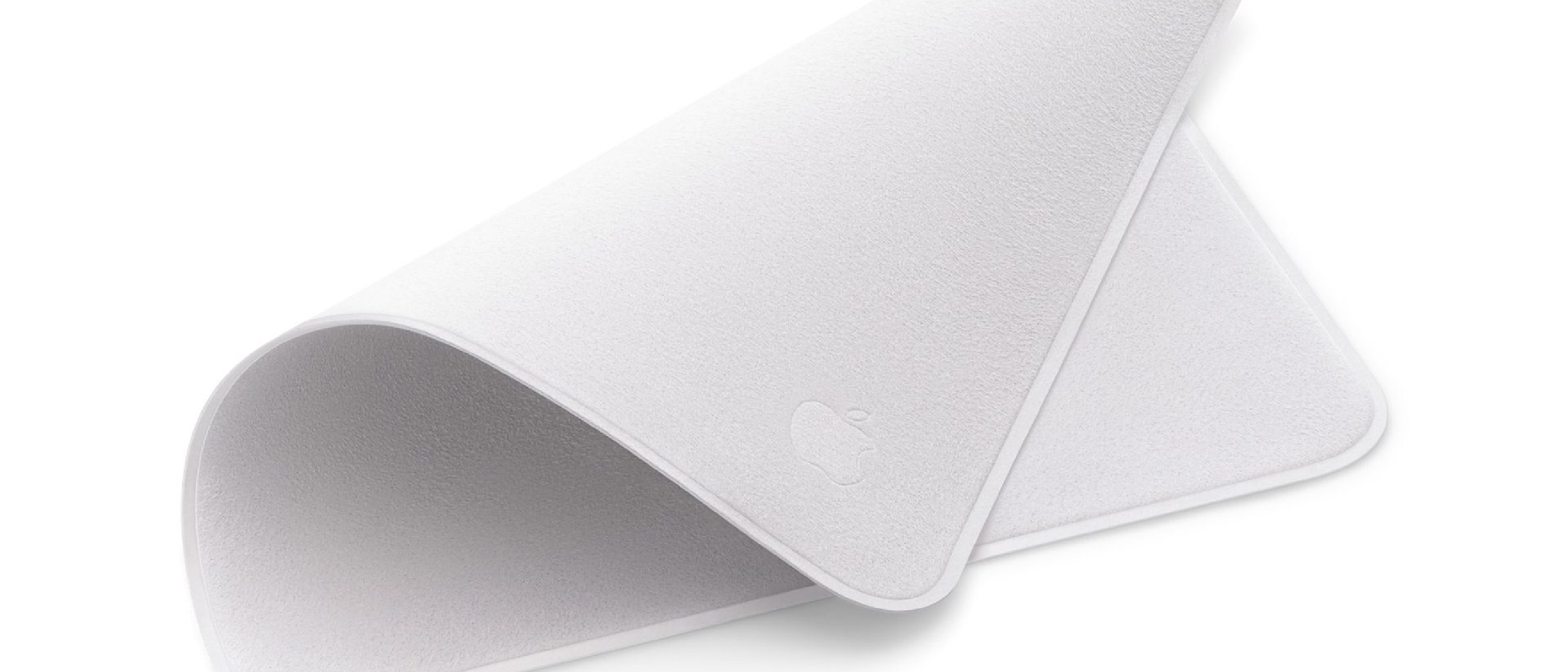
Apple’s latest accessory is a simple, single‑purpose polishing cloth sold for $9. The product appears on the Apple Store alongside other cleaning tools, but it is the only item explicitly highlighted in the recent announcement. While the press release offers few technical details, the cloth is marketed as a “micro‑fiber” solution for removing fingerprints and smudges from screens, lenses, and polished metal surfaces.
Key points from the announcement:
- Price: $9 (USD)
- Intended use: Cleaning iPhone, iPad, Mac, Apple Watch, and Vision Pro displays
- Availability: Listed on Apple’s online store; physical retail availability not specified
The modest price tag immediately raised eyebrows because Apple’s previous cleaning accessories—most notably the $19 “Pro” polishing cloth released a few years ago—were positioned as premium items. The new offering suggests a shift toward a more entry‑level accessory line.
Design and Materials: What Apple Likely Used
Apple has not released a detailed material breakdown, but the description of the product as “micro‑fiber” aligns with industry standards for high‑quality cleaning cloths. Micro‑fiber fabrics are composed of polyester and polyamide fibers that are split into ultra‑fine strands, creating a large surface area that lifts oils without scratching delicate surfaces.
Based on Apple’s historical accessories, the cloth is probably:
- Size: Roughly 8 × 8 inches (20 × 20 cm), similar to the earlier “Pro” version
- Weave: Tight, double‑sided weave to capture both large particles and fine smudges
- Edge treatment: Folded or stitched edges to prevent fraying
These design choices are not accidental. A well‑engineered cloth reduces the need for chemical cleaners, which can leave residues or damage anti‑reflective coatings. By offering a cloth that works across the entire Apple ecosystem—from iPhone screens to Vision Pro lenses—Apple reinforces its “one‑device” philosophy.
How It Compares to Third‑Party Alternatives
| Feature | Apple Polishing Cloth ($9) | Typical Third‑Party Cloth |
|---|---|---|
| Material | Micro‑fiber (Apple‑specified) | Micro‑fiber (varies) |
| Size | Approx. 8 × 8 in | 6 – 10 in range |
| Branding | Apple logo, premium packaging | Generic or brand‑specific |
| Price | $9 | $2 – $8 |
While third‑party options can be cheaper, Apple’s branding and guaranteed compatibility with its devices give the cloth a perceived value that many consumers are willing to pay.
Pricing Strategy: $9 in Context
Apple’s $9 price point is intriguing when placed against its broader accessory pricing strategy:
- AirPods Pro: $249
- Apple Pencil (2nd gen): $129
- MagSafe Charger: $39
- Pro Polishing Cloth (previous): $19
The new cloth sits at the low end of Apple’s accessory spectrum, yet it is still higher than the average cost of a generic microfiber cloth. This pricing can be interpreted through several lenses:
- Margin Preservation – Even a $9 item can generate a healthy margin when produced at scale.
- Brand Premium – Apple leverages its brand equity to command a premium for even the simplest items.
- Ecosystem Lock‑In – By offering a cloth that is explicitly “Apple‑approved,” the company nudges users toward buying more Apple‑branded accessories.
The decision also reflects a broader trend in the tech industry where companies monetize “soft” products (e.g., stickers, cases) to diversify revenue streams. For a company that reported $383 billion in revenue last fiscal year, a $9 accessory contributes marginally to the bottom line but reinforces the perception of a complete,
but reinforces the perception of a complete Apple ecosystem—where even the smallest touchpoint bears the company’s design language and quality promise.
Environmental Impact and Sustainability
Apple has positioned the polishing cloth as a sustainable alternative to disposable wipes and chemical cleaners. By encouraging users to clean screens with a reusable microfiber pad, the company claims to reduce waste generated by single‑use products. However, the environmental story is nuanced:
- Material footprint – Micro‑fiber is a synthetic blend of polyester and polyamide, both derived from petroleum. While the cloth’s durability means it can replace dozens of paper wipes, the production of synthetic fibers still carries a carbon cost.
- Packaging – The cloth arrives in a slim, recyclable cardboard sleeve with minimal plastic. Apple’s packaging guidelines aim for a 90 % recyclable rate, and the sleeve meets that target.
- End‑of‑life – Apple does not currently list the polishing cloth in its Apple Trade‑In or Recycling programs, leaving disposal to the consumer. Some third‑party recyclers accept microfiber textiles, but awareness is limited.
Overall, the accessory aligns with Apple’s broader environmental commitments (e.g., carbon‑neutral operations by 2030) but does not dramatically shift the company’s overall material impact.
Consumer Reception
Since the product went live on the Apple Store, social media and tech forums have been buzzing:
- Positive notes – Many users appreciate the premium feel and the confidence that the cloth won’t scratch their devices. The inclusion of the Apple logo on the cloth’s edge has become a status symbol for some.
- Criticism – A sizable contingent argues the $9 price is unjustified given the ubiquity of cheaper microfiber alternatives. The “Pro” version’s $19 price tag from a few years ago is frequently cited as a benchmark for “Apple‑premium” accessories.
- Meme culture – The launch sparked a wave of memes comparing the cloth’s price to a cup of coffee, reinforcing the narrative that Apple can charge for virtually any item.
Retail analytics from third‑party sites suggest the cloth sold out within the first 48 hours of the online launch, prompting Apple to restock quickly. While exact sales figures are undisclosed, the rapid turnover indicates strong brand‑driven demand.
Potential Drawbacks
| Concern | Explanation |
|---|---|
| Cost vs. Value | At $9, the cloth is more expensive than many generic alternatives, which can be purchased in multi‑packs for under $5. |
| Limited Availability | The product is only listed on Apple’s online store in select regions, making it harder for international customers to obtain without paying shipping fees. |
| No Official Recycling | Lack of a take‑back program means the cloth will likely end up in landfill once it reaches the end of its useful life. |
| Redundancy | Users who already own the older $19 “Pro” cloth may see little added benefit, leading to perceived product cannibalization. |
Future Outlook: What This Means for Apple’s Accessory Roadmap
The modest price point hints at a broader strategy:
- Micro‑Accessory Expansion – Apple may roll out more low‑cost, high‑margin items (e.g., silicone keyboard covers, cable organizers) to capture incremental revenue from existing device owners.
- Bundling Opportunities – Future promotions could bundle the polishing cloth with higher‑priced accessories (e.g., Apple Pencil or AirPods) to sweeten deals and increase perceived value.
- Integration with Services – Apple could eventually tie physical accessories to its services ecosystem—imagine a “Clean‑Your‑Device” reminder in the Apple Care app, nudging users to purchase the cloth periodically.
If Apple continues to monetize these “soft” products, the cumulative effect could add hundreds of millions to annual accessory revenue, a segment that already accounts for roughly 10 % of total sales.
Conclusion
Apple’s $9 polishing cloth may seem like a trivial footnote in the company’s massive product lineup, but it serves as a microcosm of Apple’s broader business philosophy:
- Design consistency across even the smallest accessories.
- Brand premium that justifies a modest markup over generic alternatives.
- Ecosystem reinforcement, encouraging users to stay within Apple‑approved products.
- Revenue diversification through high‑margin, low‑cost items.
While the cloth’s environmental benefits are modest and its price may still feel steep to budget‑conscious consumers, the rapid sell‑through demonstrates that Apple’s loyal customer base values the assurance of an Apple‑branded solution. Whether this signals a new wave of inexpensive accessories or remains a one‑off experiment, the polishing cloth underscores how Apple can turn even a piece of fabric into a strategic touchpoint in its ever‑expanding ecosystem.
FAQ
Q: Is the polishing cloth compatible with the Vision Pro headset?
A: Yes. Apple markets the cloth for “screens, lenses, and polished metal surfaces,” which includes the Vision Pro’s glass front and lens covers.
Q: Does the cloth come with a warranty?
A: Apple lists the polishing cloth under its standard One‑Year Limited Warranty, covering defects in materials and workmanship but not normal wear from regular use.
Q: Can I purchase the cloth in Apple retail stores?
A: Availability varies by region. In most markets the cloth is currently sold online only, though some flagship stores have begun stocking limited quantities.
Q: How does the $9 cloth differ from the older $19 “Pro” version?
A: Apple has not published a side‑by‑side spec sheet, but anecdotal reports suggest the newer cloth is slightly smaller and uses a less dense weave, resulting in a lower production cost and price.
Q: Is the cloth recyclable?
A: The packaging is recyclable, but the microfiber material itself is not accepted in most municipal recycling programs. Apple has not announced a dedicated take‑back scheme for the cloth.
Q: Will Apple release more low‑price accessories in the future?
A: While Apple has not confirmed any plans, the launch of this $9 item aligns with a trend of expanding the accessory portfolio with affordable, brand‑aligned products.
Source: Original Article