



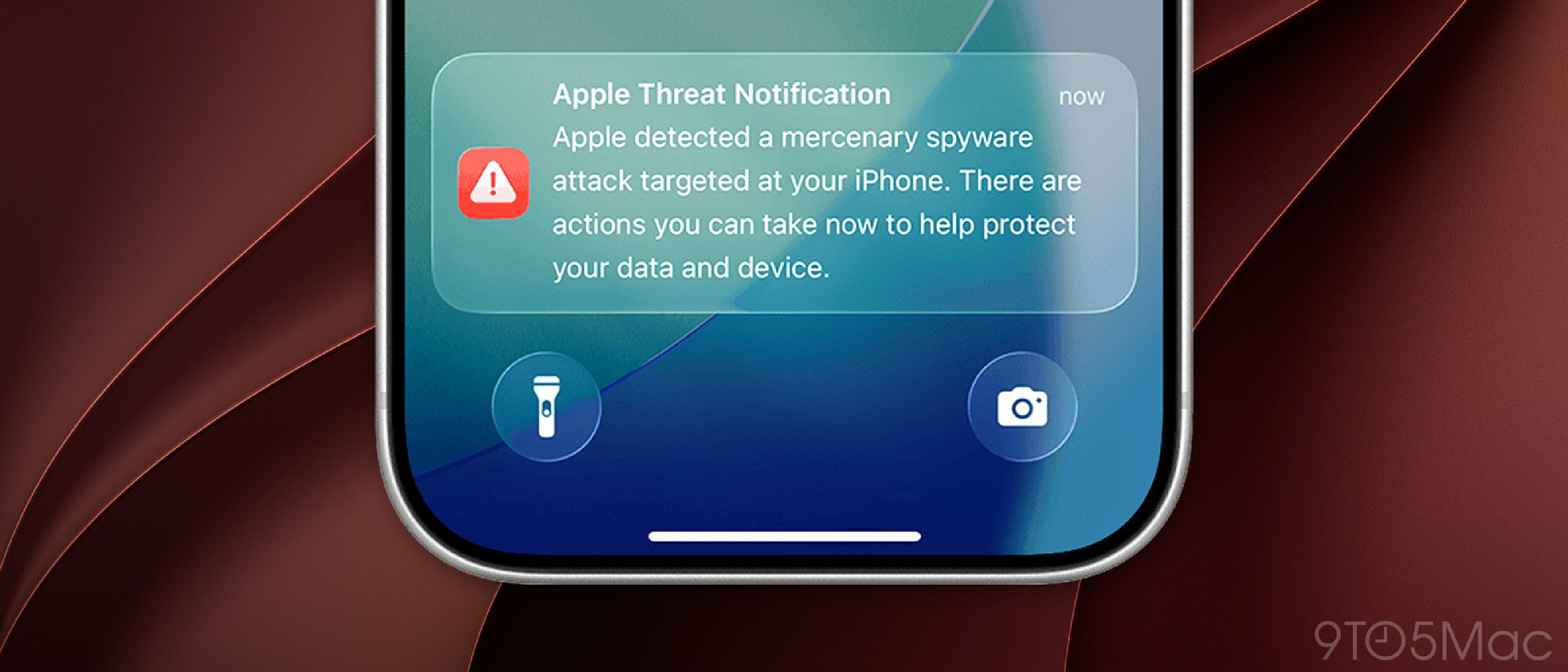
The Scope of Apple’s Global Threat Notification
On Thursday, Apple’s security team dispatched a rare, high‑severity alert to users in 99 countries. The notification warned that a zero‑click vulnerability—one that can be triggered simply by knowing a phone number—might have been leveraged by a mercenary‑grade spyware platform.
German authorities were among the first to publicly acknowledge receipt of the alert. Stefan Kornelius, a spokesperson for the German government, said the Federal Office for Information Security (BSI) had issued an “urgent warning” and urged officials to activate Lockdown Mode on affected devices.
The alert mirrors Apple’s previous practice of silently notifying potentially compromised users without naming the adversary or confirming a breach. This approach protects the investigative process while giving individuals a concrete mitigation step.
Technical Breakdown: Zero‑Click Exploits and Mercenary Spyware
What is a zero‑click vulnerability?
A zero‑click exploit bypasses any user interaction. Traditional phishing or malicious links require the victim to click, tap, or open a file. In contrast, a zero‑click attack can be launched solely by sending a specially crafted packet to a device’s phone number. The exploit typically abuses a flaw in the operating system’s core services—such as iMessage, FaceTime, or the cellular stack—allowing remote code execution without the user’s knowledge.
How mercenary spyware operates
Mercenary spyware, exemplified by the notorious Pegasus platform, is sold to governments or private actors on a subscription basis. It offers:
- Full device control: Access to calls, messages, location, microphone, and camera.
- Stealth persistence: Root‑level privileges that survive OS updates.
- Data exfiltration: Encrypted tunnels that hide traffic from network monitors.
The current alert suggests that a similar tool may have leveraged a zero‑click flaw, dramatically lowering the barrier for mass surveillance.
Apple’s mitigation: Lockdown Mode
Lockdown Mode is Apple’s most restrictive security configuration. When enabled, it:
Blocks most incoming attachments and links in Messages.
Disables certain network protocols (e.g., FaceTime audio, certain VPNs).
Blocks most incoming attachments and links in Messages.
Disables certain network protocols (e.g., FaceTime audio, some VPNs).
Prevents most link clicks in Mail and Safari, requiring manual verification.
Stops the installation of configuration profiles and mobile device management (MDM) payloads.
Limits the use of Apple Pay on the web and restricts certain NFC interactions.
Reduces the functionality of AirDrop, limiting it to contacts‑only transfers.
Impact on German Officials and Institutions
The German Federal Office for Information Security (BSI) moved swiftly after receiving Apple’s alert. In a press briefing, spokesperson Stefan Kornelius confirmed that all ministries, parliamentary offices, and intelligence agencies had been instructed to enable Lockdown Mode on any iPhone or iPad that might be affected.
“We are treating this as a national security incident,” Kornelius said. “Our teams are working flat‑out to investigate the circumstances and to ensure that any compromised device is isolated.”
The BSI also issued an “urgent warning” to other public‑sector employees, urging them to verify that their devices are running the latest iOS version (iOS 18.5 or later) and to review Apple’s detailed mitigation guide.
Apple’s Notification Process and Past Precedents
Apple’s “high‑severity” alerts are part of a program that began in 2022 after the first public disclosures of Pegasus infections. The company’s security team monitors threat intelligence feeds, collaborates with independent researchers, and, when a credible risk is identified, pushes a silent notification to devices that match certain criteria (e.g., IP address, phone number, or device identifiers).
Key characteristics of the process:
- No explicit attribution – Apple never names the adversary or confirms a breach, preserving ongoing investigations.
- Device‑specific triggers – Alerts are sent only to devices that appear in the threat actor’s targeting list, minimizing panic among the broader user base.
- Actionable guidance – Each notification includes a link to Apple’s support page, recommending steps such as updating iOS, enabling Lockdown Mode, and reviewing installed profiles.
In 2023, a similar alert warned users in 45 countries about a “zero‑day” iMessage exploit linked to a different commercial spyware suite. That incident led to a rapid patch rollout and a spike in Lockdown Mode activations worldwide.
Broader Geopolitical Implications
The fact that the alert reached 99 countries underscores the global reach of the underlying spyware platform. While Apple has not disclosed which nation‑state or private actor is behind the campaign, the pattern of targeting—high‑profile politicians, journalists, and human‑rights defenders—mirrors previous Pegasus deployments attributed to several governments.
Analysts note that the timing may be significant: the alert surfaced just weeks before the upcoming German federal elections, a period when intelligence services traditionally heighten surveillance activities. If the spyware is indeed being used for political espionage, the incident could fuel diplomatic tensions, especially if evidence later links the tool to a foreign intelligence service.
What Users Can Do Right Now
If you received Apple’s notification—or simply want to harden your device—follow these steps:
- Update to the latest iOS/iPadOS version immediately. Apple’s patches often close the very vulnerabilities exploited by zero‑click attacks.
- Enable Lockdown Mode: Settings → Privacy & Security → Lockdown Mode → Turn On.
- Review installed profiles: Settings → General → VPN & Device Management. Delete any profile you do not recognize.
- Audit app permissions: Ensure that apps do not have unnecessary access to the microphone, camera, or location.
- Limit contact syncing: Turn off iCloud contact syncing for devices you suspect may be compromised.
- Use two‑factor authentication (2FA) for all Apple IDs and enable “Sign in with Apple” wherever possible.
For organizations, IT departments should consider deploying Mobile Device Management (MDM) policies that enforce the above settings across all corporate‑issued devices.
Conclusion
Apple’s unprecedented alert to users in 99 nations highlights the evolving threat landscape where zero‑click exploits enable adversaries to infiltrate devices without any user interaction. The swift response from German authorities—mandating Lockdown Mode and launching a coordinated investigation—demonstrates how seriously governments now take such cyber‑espionage campaigns.
While Apple continues to refine its detection and notification mechanisms, the onus remains on users and institutions to adopt the recommended mitigations promptly. In an era where mercenary spyware can be weaponized with a single phone number, proactive security hygiene is no longer optional—it is essential.
FAQ
Q: Do I need to enable Lockdown Mode on every Apple device? A: It is recommended for anyone who may be a high‑value target (politicians, journalists, activists) or who received Apple’s alert. For the general public, keeping iOS up to date and practicing good security hygiene is usually sufficient.
Q: Will Lockdown Mode affect my daily usage? A: Yes. Certain features—such as opening unknown attachments, using FaceTime audio with unknown contacts, and installing configuration profiles—are restricted. Most users find the trade‑off acceptable when the risk of espionage is high.
Q: How can I tell if my device has already been compromised? A: Apple does not provide a definitive “infected” indicator. However, unusual battery drain, unexpected network traffic, or unknown apps appearing in the background can be signs. If you suspect compromise, back up your data, erase the device, and restore from a clean backup.
Q: Is the spyware linked to Pegasus? A: Apple has not confirmed the specific tool, but the characteristics described—zero‑click delivery and mercenary‑grade capabilities—are consistent with Pegasus‑like platforms.
Q: Will future Apple alerts be more detailed? A: Apple’s policy emphasizes discretion to protect investigations. While the company may share more technical details over time, it is unlikely to name attackers or confirm individual compromises publicly.
Source: Original Article