

Why Apple Is Launching the Health AI Usage Study
The rapid proliferation of consumer‑focused AI chatbots has created a paradox: users love the convenience of instant answers, yet medical queries demand a level of accuracy, privacy, and accountability that most general‑purpose models simply cannot guarantee. Apple’s decision to sponsor the Apple Health AI Usage Study is a direct response to this tension.
- Consumer trust: Apple’s brand is built on a reputation for protecting user data. By openly funding a research program that explicitly addresses health‑related safety concerns, the company reinforces that trust in a domain where misinformation can have life‑changing consequences.
- Regulatory pressure: Health‑related AI is increasingly falling under the scrutiny of agencies such as the FDA and GDPR‑style privacy regulators. A controlled study provides Apple with empirical data that can inform compliance strategies before any commercial rollout.
- Strategic differentiation: While competitors are racing to embed large language models (LLMs) into their ecosystems, Apple is positioning itself as the “safe‑first” alternative, a stance that could attract privacy‑conscious users and enterprise health partners.
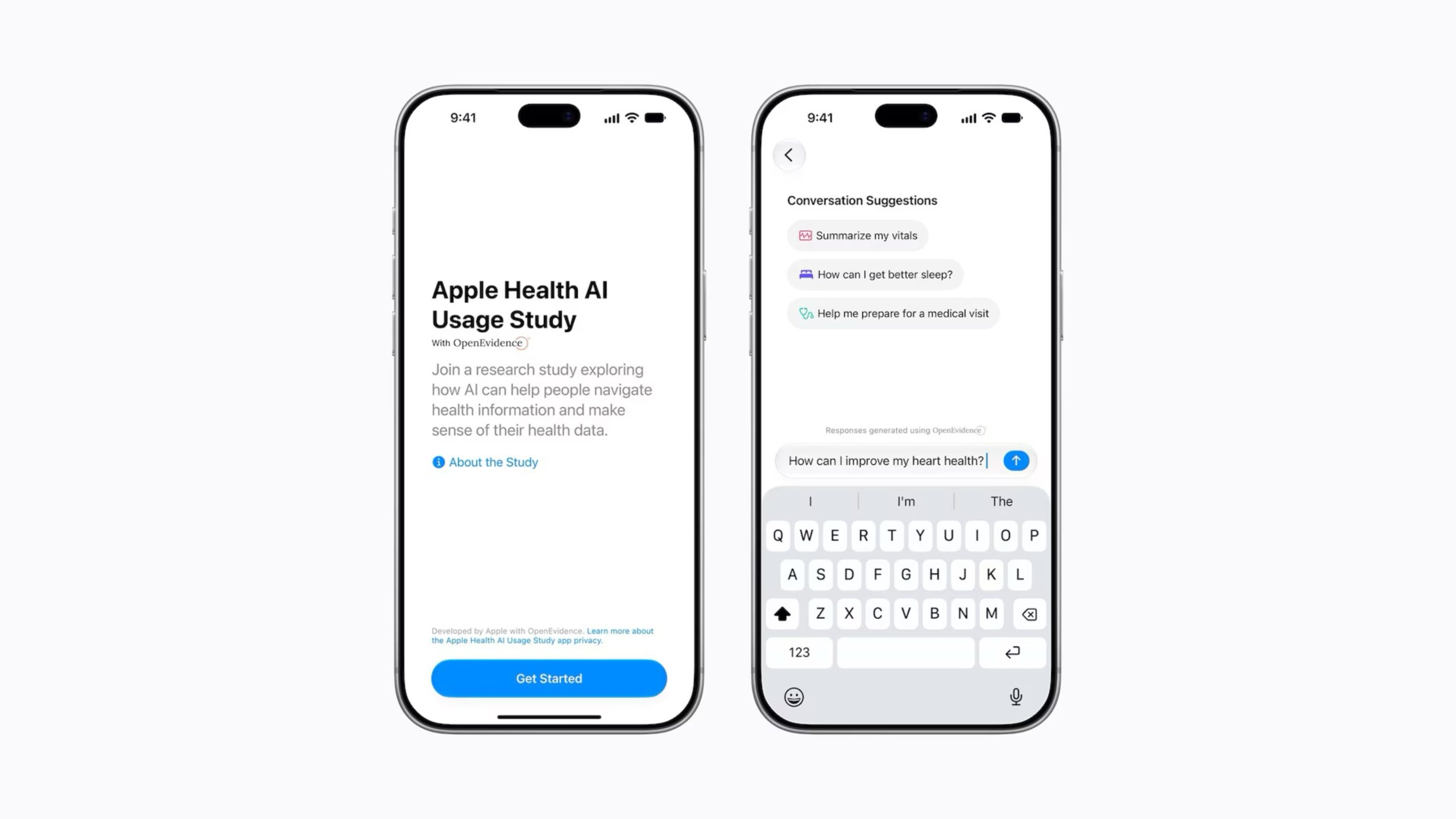
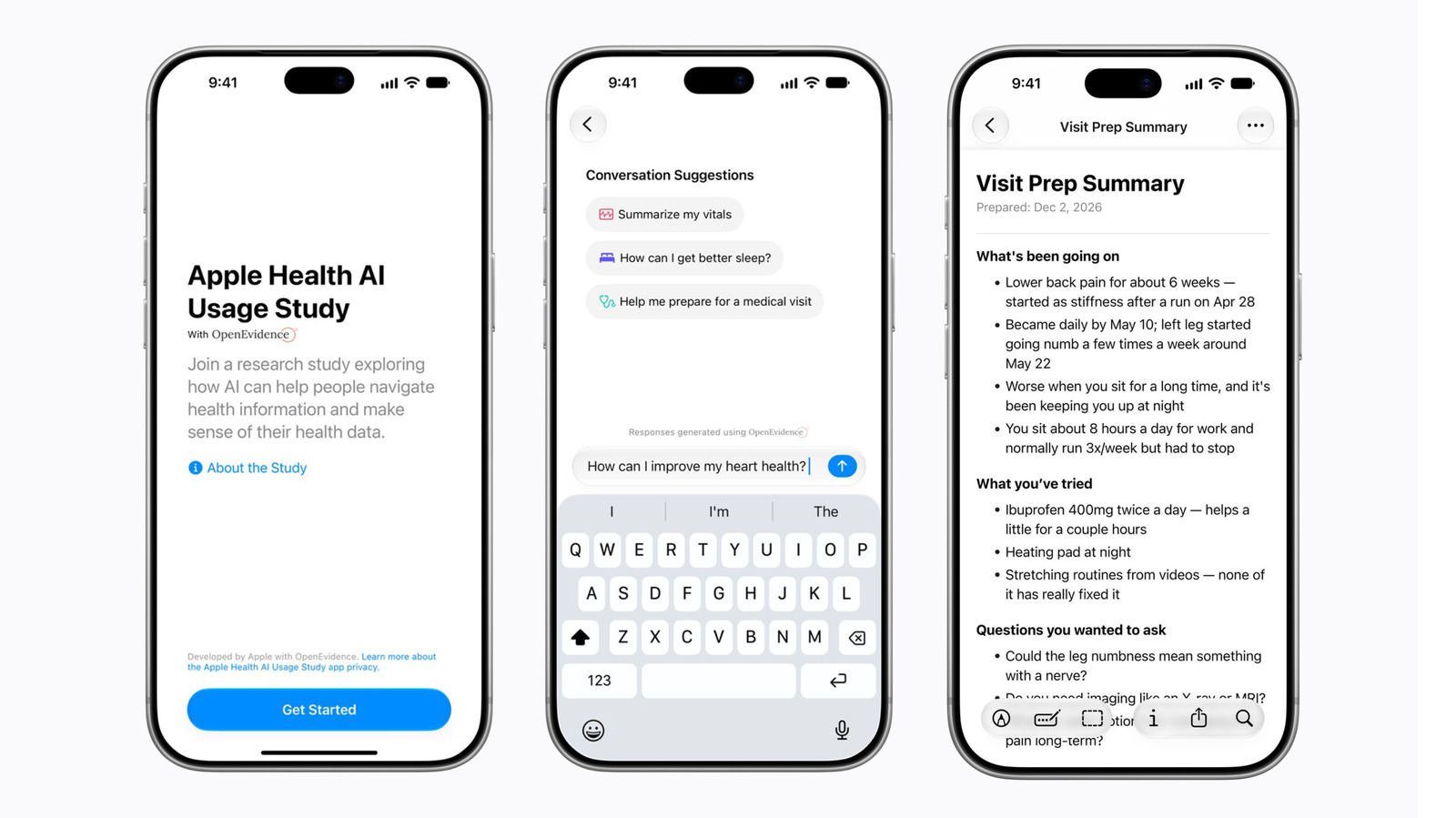
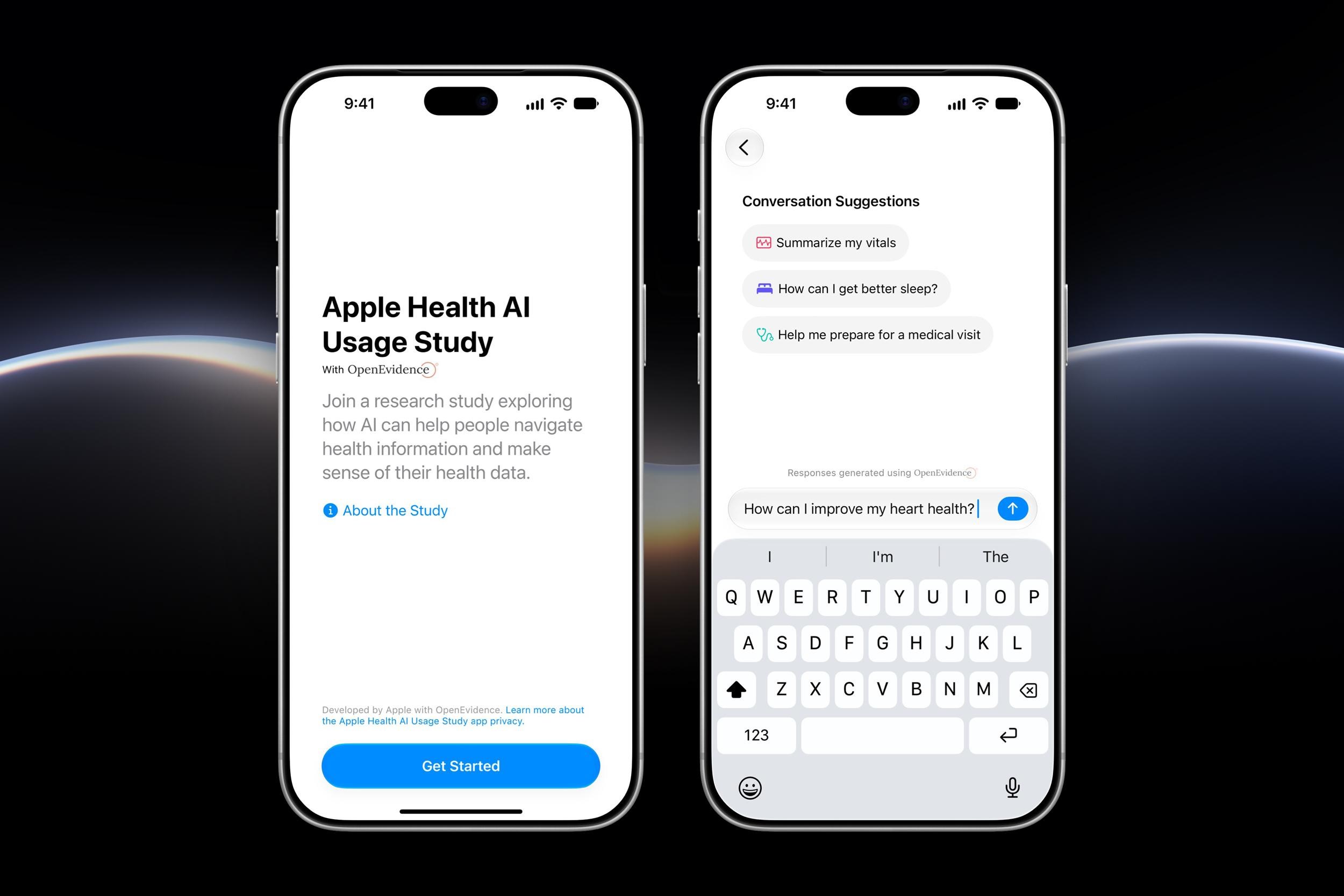
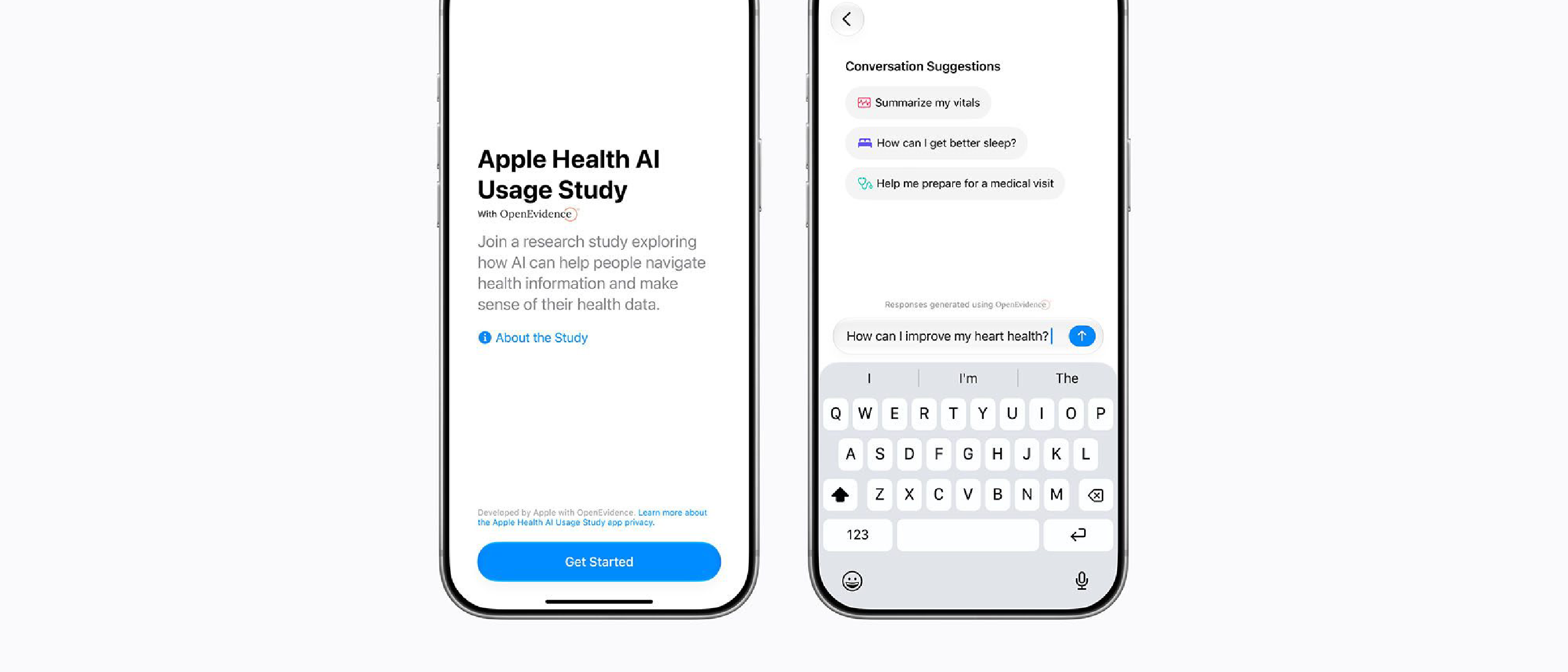
The study’s core premise—allowing volunteers to ask health questions to an AI chatbot under three assurances that other bots do not guarantee—signals a shift from “open‑ended” AI to “purpose‑built” AI with built‑in safeguards.
Technical Foundations of a Safe Health AI Chatbot
Although Apple has not disclosed the exact architecture, the study likely leverages a combination of on‑device processing, federated learning, and strict data‑handling pipelines. Below is a breakdown of the technical components that would enable the promised safety guarantees:
On‑Device Inference
Running the language model locally on the iPhone or Apple Watch eliminates the need to transmit raw user queries to cloud servers. This reduces latency and, more importantly, prevents exposure of sensitive health information to external networks.
Federated Learning for Model Improvement
Apple can aggregate anonymized gradient updates from participating devices without ever collecting the underlying text. This approach aligns with Apple’s existing use of federated learning for keyboard predictions and could be extended to health‑specific intents.
Domain‑Specific Fine‑Tuning
General LLMs excel at conversational fluency but often lack medical accuracy. Apple would fine‑tune a base model on vetted medical literature, clinical guidelines, and peer‑reviewed datasets, ensuring that responses stay within evidence‑based boundaries.
Guardrails and Real‑Time Verification
A multi‑layered verification system can cross‑check generated answers against a curated knowledge base. If a response falls outside the confidence threshold, the chatbot can default to a “I’m not sure, please consult a professional” fallback.
These technical choices collectively address the three assurances hinted at in the study announcement: privacy‑preserving processing, data‑security compliance, and medically reliable output.
Privacy and Data Security Guarantees
Apple’s track record in privacy is well documented, from on‑device encryption to the App Tracking Transparency framework. The Health AI Usage Study extends these principles into the AI domain:
- Zero‑Retention Policy: User queries are processed in memory and discarded immediately after the response is generated. No logs are stored on Apple’s servers, mitigating the risk of retrospective data mining.
- End‑to‑End Encryption: All communications between the device and any auxiliary verification services are encrypted with forward‑secret keys, ensuring that even a compromised network cannot expose query content.
- Explicit Consent Flow: Volunteers must opt‑in through a transparent UI that explains what data, if any, will be shared for research purposes. This mirrors the consent mechanisms seen in Apple’s HealthKit APIs.
By foregrounding these safeguards, Apple differentiates its health AI from other chatbots that often rely on cloud‑only processing and opaque data‑use policies. The approach also resonates with recent industry discussions about AI safety, such as the concerns raised in the Zoom Zero‑Day Exploit article, which highlighted how vulnerabilities can cascade when data is mishandled. (Read more: Zoom Flaw Let An Attacker Take Over Your Device Including Iphone And Mac)
Industry Impact and Competitive Landscape
The launch of the Apple Health AI Usage Study is likely to ripple across several sectors:
Healthcare Providers
Hospitals and telemedicine platforms may view Apple’s initiative as a validation of AI‑assisted triage tools. If the study demonstrates that AI can reliably handle routine symptom checks while preserving privacy, providers could integrate Apple’s SDKs into patient portals.
AI Startups
The study underscores a market need for privacy‑first health AI solutions. Venture capitalists, like those highlighted in Yvonne Bajela’s $17M Fund Targets EU AI Startups, may increase funding for startups that adopt on‑device or federated learning models. (Read more: Yvonne Bajela Is Bringing 17M In Fresh Capital To Europes Startup Scene)
Content Platforms
YouTube’s recent crackdown on “AI slop” demonstrates how platforms are grappling with low‑quality AI‑generated content. Apple’s emphasis on medically accurate, vetted responses could set a benchmark that forces other content distributors to adopt stricter verification pipelines. (Read more: Youtube Clarifies Policies Around Ai Slop And Upsetting Videos)
Regulatory Bodies
Data‑privacy regulators may cite Apple’s study as a case study for responsible AI deployment, potentially influencing future guidelines for health‑related AI services.
Overall, Apple’s move could accelerate a shift from “any‑AI‑any‑question” to “purpose‑built‑AI‑with‑guarantees,” reshaping how developers think about model deployment in regulated domains.
Future Outlook and Potential Extensions
While the current study focuses on a volunteer cohort, several logical extensions could follow:
- Integration with Apple HealthKit: Embedding the chatbot directly into the Health app would allow contextual answers based on a user’s personal health data, provided explicit permission is granted.
- Multi‑Modal Support: Future iterations might accept voice, images (e.g., skin lesions), or even sensor data from Apple Watch to enrich diagnostic suggestions.
- Enterprise Licensing: Apple could offer the underlying technology to health insurers, pharmaceutical companies, or research institutions under strict licensing terms.
- Global Localization: Expanding language support and region‑specific medical guidelines would broaden the study’s applicability across diverse healthcare systems.
Each of these pathways hinges on the study’s ability to prove that AI can be both useful and safe in a health context. The data collected will likely inform Apple’s internal policy decisions and could eventually lead to a consumer‑facing feature that rivals existing health chatbots, but with Apple’s hallmark privacy guarantees.
Frequently Asked Questions
Q1: Who can participate in the Apple Health AI Usage Study? A: Participation is limited to volunteers who meet Apple’s eligibility criteria, which include having an Apple device capable of on‑device AI processing and agreeing to the study’s consent terms.
Q2: Will my health data be stored or sold? A: No. Apple has committed to a zero‑retention policy for raw queries. Only aggregated, anonymized model updates may be used for research, and they never contain personally identifiable information.
Q3: How does the chatbot ensure medical accuracy? A: The model is fine‑tuned on peer‑reviewed medical literature and includes a real‑time verification layer that cross‑checks answers against a curated knowledge base. Uncertain responses trigger a fallback to professional advice.
Q4: Is the service free for participants? A: Participation in the study is free of charge. Apple has not announced any pricing model for a potential commercial version.
Q5: When can the general public expect a consumer‑ready version? A: Apple has not disclosed a timeline. The study’s findings will guide any future product decisions, and Apple typically moves from research to product launch after extensive validation.
Apple’s Health AI Usage Study marks a pivotal moment where a tech giant is openly confronting the safety and privacy challenges of health‑focused AI. By combining on‑device inference, federated learning, and rigorous medical guardrails, Apple aims to set a new standard for trustworthy AI in the consumer health space. The industry will be watching closely to see whether the study’s outcomes can translate into a scalable, privacy‑preserving solution that benefits both users and the broader healthcare ecosystem.
Source: Original Article