







Overview of the October Launch
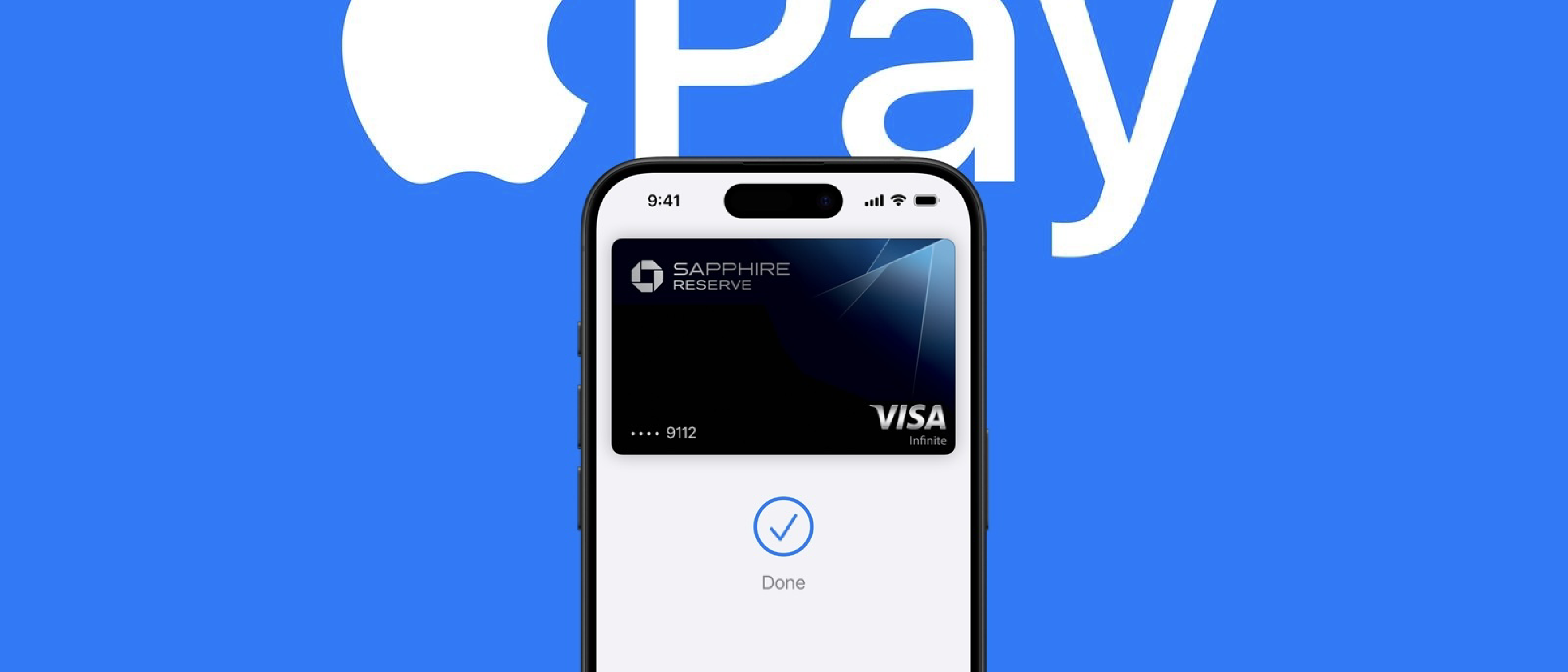
Apple’s mobile wallet service, Apple Pay, is slated to become operational in India by October 2026. The initial rollout will support the two global card networks—Visa and Mastercard—allowing iPhone and Apple Watch users to add their credit cards and make contact‑less payments at merchants equipped with NFC terminals.
The decision to launch without immediate Unified Payments Interface (UPI) support is notable because UPI dominates the Indian digital payments landscape, handling more than 80 % of retail transactions. Apple’s entry, however, signals a strategic push to capture high‑value, card‑based commerce and to position its ecosystem as a premium alternative for affluent consumers and international travelers.
The launch timeline aligns with reports from Bloomberg in February, which indicated that Apple was already negotiating with major Indian banks to secure the necessary infrastructure. While the exact list of partner banks remains undisclosed, the ongoing discussions with the National Payments Corporation of India (NPCI) suggest that Apple is working toward a phased integration of UPI once regulatory and technical prerequisites are satisfied.
Technical Architecture Behind Apple Pay in India
Tokenization and Secure Element
Apple Pay’s core security model relies on tokenization: the actual card number never leaves the device. Instead, a device‑specific token, stored in the Secure Element (a tamper‑resistant chip), is used for each transaction. This approach mitigates the risk of card data exposure, a principle also highlighted in Apple’s broader privacy strategy, such as the iCloud Private Relay architecture discussed in the article “ Apple Accused of Fraud Over iCloud Private Relay Flaw ”.
Network Certification and EMVCo Compliance
Before a card network can be accepted, Apple must certify its implementation against EMVCo specifications. Visa and Mastercard have already completed this process for the Indian market, ensuring that contact‑less transactions meet global security standards. The certification also involves rigorous testing of the token provisioning flow, which is orchestrated through Apple’s Payment Service Provider (PSP) partners.
Integration with NPCI’s UPI Framework (Future Phase)
UPI integration will require Apple to obtain clearance from NPCI and to partner with a sponsor bank that can route UPI transactions. The technical challenge lies in reconciling Apple’s token‑based model with UPI’s virtual payment address (VPA) system. Apple will need to map a token to a VPA in real time, a process that demands low‑latency APIs and robust fallback mechanisms. Until these integrations are validated, Apple Pay will operate solely with Visa and Mastercard.
Why the Launch Matters for the Indian Payments Ecosystem
Expanding Card‑Based Commerce
India’s card penetration has been rising steadily, driven by government incentives and the growth of e‑commerce. Apple Pay’s entry provides a seamless, biometric‑secured checkout experience that could accelerate card usage, especially among the middle‑class segment that prefers Apple devices.
Competitive Pressure on Domestic Wallets
Domestic wallets such as PhonePe, Google Pay, and Paytm dominate the UPI space. Apple Pay’s premium positioning may push these players to enhance their security features and user experience. Moreover, Apple’s ecosystem lock‑in—linking payments to Apple ID, iCloud, and services like Apple Music—creates cross‑selling opportunities that could reshape consumer loyalty.
Data Privacy and Regulatory Scrutiny
Apple’s reputation for privacy may appeal to users wary of data harvesting by local fintech firms. However, the company must navigate India’s evolving data‑localization rules and the Reserve Bank of India’s (RBI) guidelines on third‑party payment aggregators. Any misstep could attract regulatory action similar to the scrutiny faced by other tech giants in the region.
UPI Integration: Roadblocks and Negotiation Dynamics
NPCI Clearance Requirements
NPCI mandates that any new payment instrument must undergo a compliance audit covering transaction security, dispute resolution, and consumer protection. Apple will need to demonstrate that its tokenization model can coexist with UPI’s real‑time settlement framework without compromising the integrity of the VPA system.
Sponsor Bank Partnership Model
In India, UPI transactions are routed through a “sponsor bank” that holds the user’s bank account. Apple must select at least one such bank to act as the conduit for all UPI payments. The bank will be responsible for mapping Apple’s device tokens to the user’s VPA and for handling settlement with the NPCI. Negotiations are reportedly ongoing, with Apple courting several large private‑sector banks that already have extensive UPI footprints.
Potential Timeline
Given the complexity of aligning tokenization with UPI’s architecture, analysts estimate a 12‑ to 18‑month window before full UPI support can be rolled out. During this period, Apple may offer a hybrid experience where users can add both card and UPI credentials, but only card‑based transactions will be processed.
Competitive Landscape: Apple Pay vs. Existing Players
| Feature | Apple Pay (Oct 2026) | Google Pay (India) | PhonePe | Paytm |
|---|---|---|---|---|
| Primary Network | Visa, Mastercard | UPI, Card | UPI, Card | UPI, Card |
| Tokenization | Device Secure Element | Tokenized UPI IDs | Tokenized UPI IDs | Tokenized UPI IDs |
| Biometric Auth | Face ID / Touch ID | Fingerprint / PIN | PIN / Fingerprint | PIN / Fingerprint |
| Ecosystem Integration | iOS, watchOS, Apple Services | Android, Google Services | Standalone | Standalone |
| UPI Support (Oct 2026) | Pending | Full | Full | Full |
Apple’s advantage lies in its seamless integration across hardware (iPhone, Apple Watch, Mac) and services (Apple Music, iCloud). The security model, however, must be communicated clearly to Indian consumers accustomed to the simplicity of scanning a QR code for UPI payments.
Security‑focused readers may recall recent mobile‑device exploits, such as the “ Zoom Zero‑Day Exploit: Remote Takeover of iPhone & Mac ”, which underscore the importance of robust sandboxing and secure element isolation—principles that Apple Pay already employs.
Future Outlook: Beyond the First Phase
Anticipated Feature Additions
While UPI is the most pressing integration, Apple may later introduce support for Bharat QR, a QR‑code based payment method endorsed by the RBI. Additionally, the company could leverage its Apple Card offering to provide a co‑branded credit product tailored for Indian consumers, similar to the Apple Card’s rollout in the United States.
Potential Impact on Apple’s Services Revenue
Apple Pay transactions generate a small fee for Apple, but the larger strategic benefit is the increased stickiness of the Apple ecosystem. Users who regularly use Apple Pay are more likely to subscribe to Apple Music, iCloud storage, and Fitness+, creating a virtuous cycle of revenue across hardware, services, and now payments.
Security Lessons from Recent Vulnerabilities
The “ Zoom Annotation Flaw Patched After AI‑Prompt Exploit ” highlighted how seemingly unrelated features can become attack vectors. Apple’s rigorous review process for Apple Pay, including continuous monitoring of the Secure Element firmware, will be essential to prevent similar exploitation pathways in the Indian market.
Frequently Asked Questions
Q1: Will Apple Pay work with debit cards issued by Indian banks?
A: At launch, only Visa and Mastercard credit cards are supported. Debit cards that are co‑branded with these networks will also function, but pure domestic debit cards without Visa/Mastercard branding will not be accepted until UPI integration is completed.
Q2: How can users add a card to Apple Pay in India?
A: Users open the Wallet app, tap “Add Card,” and follow the on‑screen prompts to capture the card details or scan the card. Apple then contacts the issuing bank for token provisioning. The process is identical to other markets.
Q3: What security measures protect my transaction data?
A: Apple Pay uses tokenization, a Secure Element, and biometric authentication (Face ID or Touch ID). Transaction data never leaves the device in a readable form, and each payment generates a one‑time dynamic security code.
Q4: When will UPI be available on Apple Pay?
A: Apple has not announced a specific date. Integration depends on NPCI clearance and the establishment of a sponsor‑bank partnership, which analysts estimate could take up to 18 months after the initial launch.
Q5: Will Apple Pay be available on Android devices in India?
A: No. Apple Pay remains exclusive to Apple hardware (iPhone, Apple Watch, iPad, and Mac). Android users must continue using alternatives such as Google Pay or PhonePe.
Conclusion
Apple Pay’s October debut in India marks a pivotal moment for both the company and the nation’s digital payments landscape. By entering with Visa and Mastercard support, Apple positions itself as a premium, security‑focused alternative to the UPI‑centric ecosystem that currently dominates. The forthcoming challenges—securing NPCI clearance, forging sponsor‑bank relationships, and aligning tokenization with UPI’s real‑time architecture—will test Apple’s ability to adapt its globally consistent payment model to a market with unique regulatory and consumer expectations.
If Apple successfully navigates these hurdles, the result could be a more diversified payments environment, heightened competition for domestic wallets, and a new revenue stream that reinforces the broader Apple ecosystem in one of the world’s fastest‑growing economies.
Source: Original Article