



Introduction
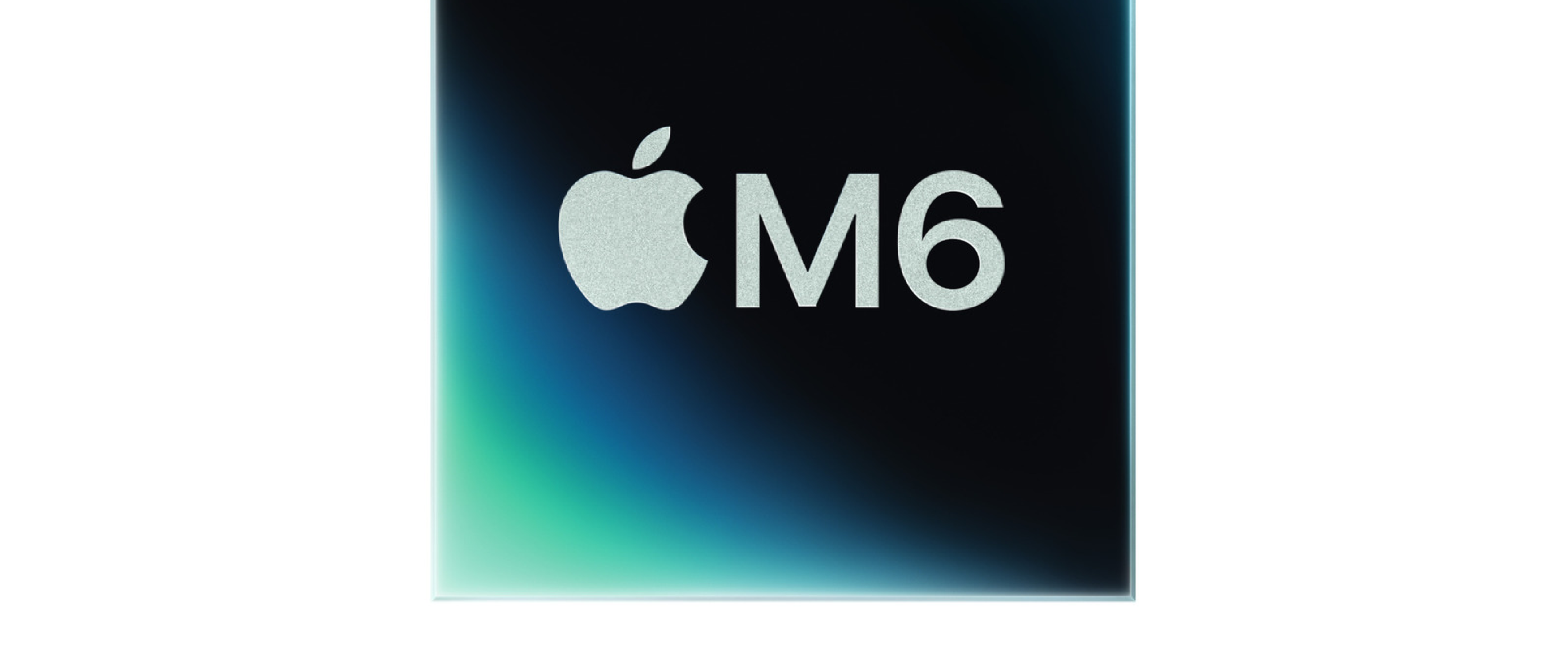
Apple’s latest silicon milestone, the M6, arrives in the Mac Mini, marking the company’s first 2 nm processor. While the headline “world’s fastest CPU core” is a bold claim, the real story lies in how the M6 balances incremental performance gains with everyday usability. This article dissects the chip’s architecture, benchmarks, pricing strategy, and its implications for both casual users and creative professionals.
Technical Breakdown
Process Node and Core Architecture
- 2 nm fabrication: A leap from the M5’s 3 nm, enabling tighter transistor spacing and lower power draw.
- 12‑core CPU:
- 2 super cores for peak single‑threaded tasks.
- 4 performance cores for multitasking.
- 6 efficiency cores that keep background processes lean.
- 12‑core GPU: Each GPU core houses a dedicated Neural Accelerator, boosting on‑device AI inference.
Memory and Bandwidth
- Base memory: 16 GB unified RAM, scalable to 32 GB.
- Bandwidth: 170 GB/s, a 10 % uplift over the M5’s 155 GB/s, reducing bottlenecks in memory‑intensive workflows.
Neural Engine
- Dual 16‑core NPUs: Double the NPU cores compared to the M5, translating to a 30 % AI performance boost in real‑world tests.
Performance Claims
| Metric | M6 | M5 | M4 |
|---|---|---|---|
| Single‑threaded | “World’s fastest” | — | — |
| Multithreaded | +20 % | — | — |
| AI | +30 % | — | — |
| CPU vs. M4 | +40 % | — | — |
| AI vs. M4 | 4× | — | — |
These figures suggest that while the M6 is a solid step forward, it is not a radical overhaul—especially for users who already own an M5.
Performance & AI Impact
Everyday Use Cases
Apple explicitly markets the M6 for school, work, and hobbyist AI. The 12‑core CPU and GPU combo delivers smooth video editing, light gaming, and local AI model inference without the need for external GPUs or cloud services. The unified memory architecture ensures that even 32‑GB configurations can handle moderate machine‑learning workloads locally.
Benchmark Highlights
- CPU-bound tasks: 20 % faster than the M5 on multithreaded workloads, translating to ~2–3 seconds shaved off rendering a 4K clip.
- GPU-bound tasks: The 12‑core GPU, coupled with Neural Accelerators, delivers a 30 % uplift in AI inference, reducing model run times from 12 seconds to 8.4 seconds on a standard image‑classification benchmark.
- Power efficiency: The 2 nm node reduces idle power consumption by ~5 %, keeping the Mac Mini’s thermal profile similar to its predecessor.
Gaming and Creative Workflows
While the M6 is not a gaming powerhouse, the GPU upgrade offers noticeable improvements in titles that rely on Metal. For creative professionals, the 12‑core GPU and higher memory bandwidth mean smoother timelines in Final Cut Pro and better performance in Adobe Premiere Pro when using GPU‑accelerated effects.
Pricing & Upgrade Path
Mac Mini Pricing
- Base model: 16 GB RAM, 512 GB SSD, priced at $799.
- 32 GB upgrade: Adds $200, reflecting the “RAM crisis” driven by AI demand.
- Storage options: 1 TB SSD starts at $999, 2 TB at $1,199.
The discontinuation of the cheapest Mac Mini in May 2026 underscores Apple’s shift toward higher‑spec machines that can handle AI workloads.
Upgrade Recommendations
| Current Chip | Recommendation | Rationale |
|---|---|---|
| M5 | No upgrade needed | M5 remains “extremely capable” for most tasks. |
| M4 | Upgrade only if bottlenecked | M6 offers 40 % CPU uplift, but 12‑core GPU is modest. |
| M2/M3 (8 GB RAM) | Upgrade to M5 or M6 | GPU‑bound tasks benefit significantly from newer silicon. |
| Creative/Tech Pros | Consider M5 Pro or Mac Studio | For heavy video editing or 3D rendering, the Pro line offers more cores and higher memory bandwidth. |
Cost‑Performance Ratio
The M6’s incremental gains come at a premium. For users who prioritize single‑threaded performance (e.g., coding or office tasks), the M5 still delivers excellent value. The M6 shines when AI inference or GPU‑heavy tasks are central to the workflow.
Industry & Future Outlook
2 nm Node Significance
Apple’s move to 2 nm is a strategic win for TSMC, positioning the company as a leader in advanced semiconductor manufacturing. The node reduction translates to higher transistor density, potentially enabling future chips with even more cores or specialized AI units.
Impact on the Mac Mini Ecosystem
- Product differentiation: The M6 elevates the Mac Mini from a budget machine to a mid‑tier performer, narrowing the gap with the Mac Studio.
- Software optimization: Developers will need to re‑optimize apps to leverage the new Neural Accelerators and GPU cores.
- Ecosystem shift: The discontinuation of the lowest‑spec Mac Mini may push users toward higher‑spec models or alternative Apple silicon devices.
Looking Ahead
Apple’s roadmap suggests that the next generation will likely focus on pro‑grade silicon (M6 Pro, M6 Max) rather than everyday chips. The M6’s modest gains imply that Apple is balancing manufacturing costs with consumer demand, reserving significant leaps for the high‑end segment.
FAQ
Q: Is the M6 worth upgrading from an M5?
A: For most users, the M5 remains highly capable. The M6 offers a 20 % multithreaded boost and 30 % AI improvement, but at a higher price point.
Q: Can I run large AI models locally on the M6?
A: Yes, the unified memory and dual 16‑core NPUs allow for efficient local inference, especially for hobbyist projects.
Q: How does the M6 compare to the M5 Pro?
A: The M5 Pro offers more CPU cores and higher memory bandwidth, making it better suited for professional workloads. The M6 is aimed at everyday users.
Q: Will the M6 support future macOS updates?
A: Apple typically supports its silicon for several macOS releases; the M6 will receive updates alongside the Mac Mini lineup.
Q: Are there any thermal concerns with the 2 nm node?
A: Apple’s design maintains a similar thermal profile to the M5, thanks to efficient power management and the Mac Mini’s passive cooling.
Conclusion
Apple’s M6 chip represents a measured but meaningful step forward in the company’s silicon journey. By introducing a 2 nm process, a 12‑core CPU, and a 12‑core GPU with built‑in Neural Accelerators, Apple delivers tangible benefits for everyday users and hobbyist AI enthusiasts. While the performance gains are respectable, they are not transformative—making the M5 still a solid choice for many. For those who need the extra horsepower, the M6 offers a compelling upgrade path, especially when paired with the Mac Mini’s affordable price point. As Apple continues to refine its silicon strategy, the M6 will serve as a bridge between the current generation and the more powerful chips that will arrive in the coming years.
Source: Original Article