



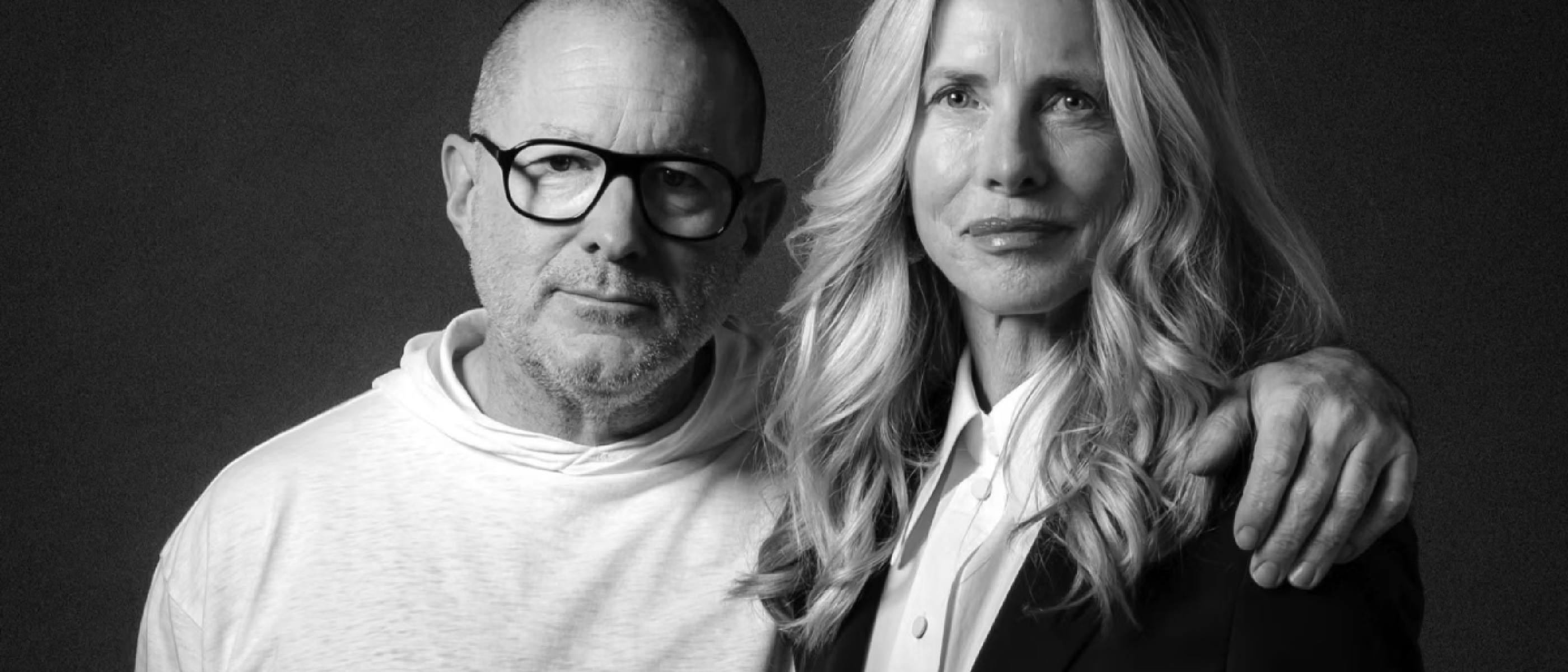
Background of the Trade‑Secret Lawsuit
In June, Apple filed a 40‑page complaint accusing OpenAI of misappropriating trade secrets related to its upcoming hardware efforts. The suit follows OpenAI’s $6.5 billion acquisition of io Products, a venture backed by Laurene Powell Jobs that has been quietly assembling a team of former Apple engineers. The complaint alleges that OpenAI recruited more than 400 ex‑Apple staff, including Tang Tan, a former iPhone program manager now serving as OpenAI’s chief hardware officer.
Apple’s legal team framed the case as a classic “poaching‑and‑misuse” scenario: OpenAI allegedly took confidential design documents, supply‑chain relationships, and proprietary manufacturing processes to accelerate a portable smart speaker that could rival the iPhone’s ecosystem integration. The filing is notable not only for its scale but also for the conspicuous absence of Jony Ive’s name, despite his historic role as the chief design officer who shaped Apple’s hardware DNA.
Why Jony Ive Was Omitted
Strategic Legal Calculus
Mark Gurman of Bloomberg reported that Apple’s decision to leave Ive out of the complaint was “likely deliberate.” From a litigation standpoint, naming a high‑profile figure like Ive could have introduced unnecessary complications:
- Potential Defamation Risks – Accusing a former executive of wrongdoing without concrete evidence could expose Apple to counter‑claims.
- Focus on Tang Tan – Tang Tan is the operational lead for OpenAI’s hardware program; targeting him directly sharpens the legal narrative.
- Preserving Brand Equity – Ive remains a revered figure among designers and consumers. Dragging his name into a contentious lawsuit could tarnish Apple’s design legacy.
Personal and Professional Distance
Although Ive co‑founded the design studio “Love From” with Laurene Powell Jobs, he has not been directly involved in OpenAI’s day‑to‑day recruiting or engineering. Sources close to the matter say Ive’s role is largely advisory, focused on high‑level aesthetic guidance rather than the granular engineering details that the lawsuit alleges were stolen. This separation makes it harder for Apple to argue that Ive personally facilitated the transfer of trade secrets.
The Laurene Powell Jobs Connection
Laurene Powell Jobs’ involvement is a more potent lever for Apple. She sits in the front row at Apple’s Worldwide Developers Conference, alongside Tim Cook and his successor John Ternus, underscoring her influence within the company’s ecosystem. By keeping the focus on her and the io Products acquisition, Apple signals that the dispute is as much about corporate control of talent pipelines as it is about specific design assets.
Implications for Apple’s Hardware Strategy
A New Hardware Frontier
OpenAI’s anticipated portable smart speaker marks the tech giant’s first foray into consumer hardware. The device is expected to integrate OpenAI’s language models with on‑device processing, positioning it as a competitor not only to Apple’s HomePod line but also to the iPhone’s voice‑assistant capabilities. Apple’s lawsuit therefore serves a dual purpose: protecting its intellectual property and sending a warning to potential rivals about the cost of poaching talent.
Talent Retention as Competitive Advantage
The fact that over 400 former Apple engineers have migrated to OpenAI highlights a broader industry trend: elite hardware talent is becoming a strategic asset. Apple’s aggressive legal stance may deter future mass defections, reinforcing its reputation as a place where engineers can work on tightly guarded, high‑impact projects. This is reminiscent of the internal dynamics discussed in the article about Apple’s store relocations, where logistical decisions were used to retain staff and maintain operational continuity. Apple Moves Four U.S. Stores in July – Impact Explained
Design Philosophy vs. Engineering Execution
Even without Ive’s name, the lawsuit indirectly references the design ethos he championed—minimalism, material excellence, and seamless integration. By protecting the underlying engineering blueprints, Apple ensures that any competitor’s hardware cannot simply copy the “look and feel” that has defined its products for decades. This defensive posture aligns with the company’s broader approach to safeguarding its ecosystem, as seen in the recent crackdown on AI‑generated fake books flooding Apple Books. AI‑Generated Fake Books Flood Apple Books Store
The Role of Laurene Powell Jobs and io Products
Investment Motives
Laurene Powell Jobs’ investment in io Products is more than a financial play; it reflects a vision for a hardware platform that could complement Apple’s services while remaining independent. The $6.5 billion acquisition gives OpenAI access to Apple‑grade supply‑chain relationships, component pricing, and manufacturing expertise that would otherwise be difficult to replicate.
Potential Conflict of Interest
Powell Jobs’ dual role—as a major Apple stakeholder and as a backer of a direct competitor—creates a nuanced conflict. Apple’s legal team may be leveraging the lawsuit to pressure her into reconsidering the strategic direction of io Products, or at least to limit the flow of proprietary knowledge. The presence of Powell Jobs in the front row at WWDC underscores her influence, but also places her in a delicate position where corporate loyalty and entrepreneurial ambition intersect.
Future Collaboration Scenarios
If the lawsuit settles amicably, one possible outcome is a licensing arrangement where OpenAI’s hardware can use Apple‑approved components under strict terms. Such a partnership could accelerate the rollout of AI‑enhanced devices while preserving Apple’s IP. Conversely, a protracted legal battle could force OpenAI to rebuild its hardware stack from scratch, delaying its market entry and giving Apple a temporal advantage.
Industry Impact and Future Outlook
Legal Precedent for AI‑Hardware Convergence
The case sits at the crossroads of AI and hardware law—a relatively uncharted territory. While most AI‑related litigation focuses on data privacy or algorithmic bias, this suit emphasizes the protection of physical design secrets in an AI‑driven product. The outcome could set a precedent for how tech giants defend their hardware blueprints when AI firms move into the consumer device space.
Competitive Landscape
OpenAI’s entry into hardware threatens not only Apple but also established smart‑speaker manufacturers like Amazon and Google. By leveraging a talent pool steeped in Apple’s design culture, OpenAI may deliver a product that feels “Apple‑like” without being an Apple product—a scenario that could erode brand loyalty. Analysts are already comparing the potential impact to the way Apple Wallet’s new insights feature reshaped user expectations for integrated services. Apple Wallet Insights
Ethical and Safety Considerations
The lawsuit also raises questions about the ethical handling of trade secrets in an era where AI models can be trained on vast amounts of proprietary data. Anthropic’s recent safety crisis, detailed in its “Fable 5” report, highlighted how insufficient safeguards can lead to unintended disclosures. Apple’s aggressive stance may encourage the industry to adopt stricter data‑governance policies when transitioning talent between companies. Anthropic’s Fable 5: The AI Safety Crisis
Outlook for Apple’s Hardware Roadmap
If Apple successfully curtails the talent drain, it can continue to focus on its next generation of devices—rumored to include a more advanced AR headset and a refreshed Mac line. The lawsuit reinforces Apple’s message that its hardware ecosystem is a protected moat, discouraging rivals from attempting shortcuts through poached expertise.
Frequently Asked Questions
Q1: Does the lawsuit mean Jony Ive is no longer affiliated with Apple?
A: No. Ive remains a co‑founder of the design studio “Love From” and continues to advise on high‑level design concepts, but he is not implicated in the alleged trade‑secret transfer.
Q2: How many former Apple employees work at OpenAI?
A: Reports indicate more than 400 ex‑Apple staff have joined OpenAI, spanning engineering, design, and supply‑chain roles.
Q3: What is the significance of the $6.5 billion figure?
A: It represents the total value of OpenAI’s acquisition of io Products, a deal that gave OpenAI access to Apple‑grade hardware expertise and components.
Q4: Could this lawsuit affect Apple’s upcoming product launches?
A: Potentially. A successful legal outcome would protect Apple’s design patents and could free up resources to accelerate its own hardware pipeline.
Q5: Is there any chance of a settlement?
A: While settlements are common in IP disputes, both parties have strong incentives to fight: Apple to protect its moat, and OpenAI to avoid delays in its hardware debut.
Conclusion
Apple’s decision to omit Jony Ive from its OpenAI trade‑secret lawsuit is a calculated move that balances legal precision, brand stewardship, and strategic pressure on Laurene Powell Jobs’ io Products venture. By targeting the operational lead, Tang Tan, and emphasizing the massive talent migration, Apple signals that its hardware secrets are non‑negotiable. The case will likely become a benchmark for how AI companies navigate the murky waters of hardware IP, while also shaping the competitive dynamics of the smart‑speaker market and beyond. As the industry watches, the outcome will inform not only future litigation strategies but also the broader conversation about talent mobility, corporate influence, and the evolving definition of trade secrets in an AI‑centric world.
Source: Original Article