




Event Overview and Timeline
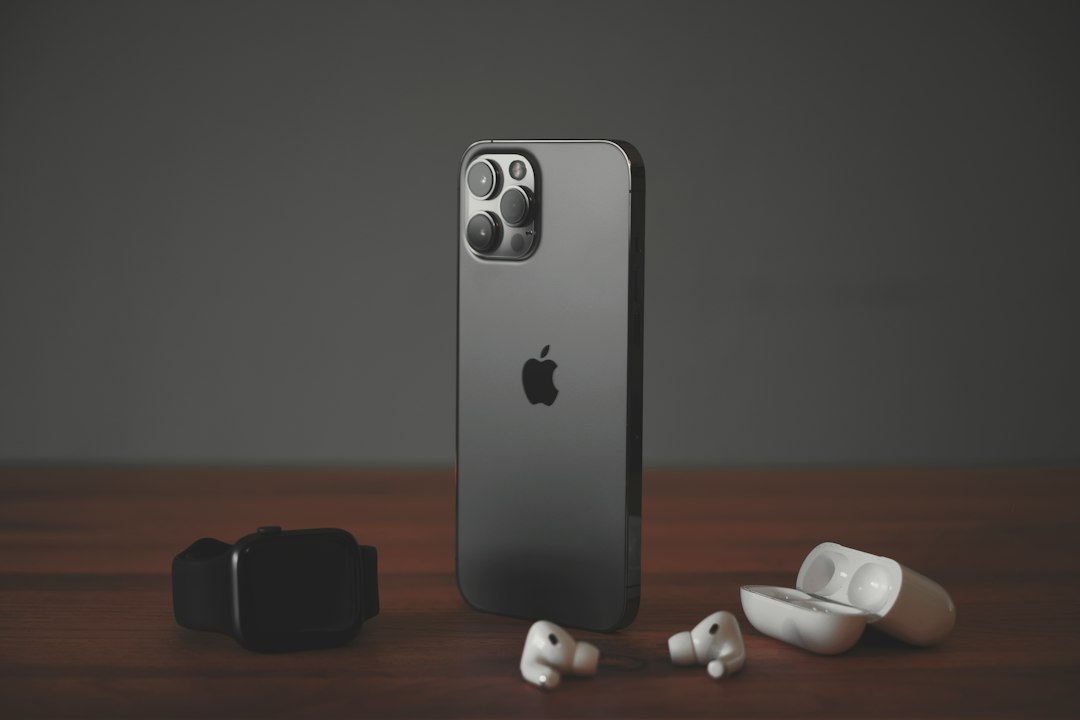
Apple’s annual fall showcase is slated for Wednesday, September 9, under the tagline “Surprise and shine.” The agenda is tightly packed: eight new products spanning three core families—Mac, iPhone, and wearables—plus a refreshed AirPods line. While the iPhone and watch announcements will debut live, the Mac mini and Mac Studio, announced a week earlier, will ship on Tuesday, September 22. The only notable exception is the 512 GB unified‑memory Mac Studio, whose delivery is pushed to late October due to inventory constraints.
The timing aligns with Apple’s historical cadence: a high‑profile September event for consumer devices, followed by a rapid fulfillment window for professional hardware. This dual‑track approach maximizes media buzz while ensuring that developers and creators can integrate the new silicon into their workflows before the holiday buying season.
Mac Mini and Mac Studio: New Silicon and Shipping Details
Mac mini (M6 and M5 Pro)
- Pricing: Starts at $899.
- Processor options: Base M6 chip, with an optional M5 Pro for performance‑oriented workloads.
- Shipping: Begins September 22.
The Mac mini’s price point re‑establishes it as the most accessible entry into Apple’s custom silicon ecosystem. The M6, built on an enhanced 4‑nm process, promises a 15‑20 % uplift in CPU performance and up to 30 % better GPU efficiency compared with the previous generation. For small studios and remote developers, the combination of low cost and a modest performance boost is compelling.
Mac Studio (M5 Max and M5 Ultra)
- Pricing: Starts at $2,499.
- Configurations: M5 Max (up to 48‑core GPU) and M5 Ultra (up to 96‑core GPU) options.
- Shipping: All configurations ship September 22 except the 512 GB unified‑memory model, delayed to late October.
Apple’s Mac Studio continues to target high‑end creators, visual effects artists, and AI researchers. The M5 Ultra, essentially two M5 Max dies fused via UltraFusion, doubles the memory bandwidth and delivers unprecedented sustained performance for tasks such as 8K video rendering and large‑scale machine‑learning inference.
For readers seeking a deeper comparison of the M5 Max and M5 Ultra, see our detailed guide:
Mac Studio M5 Max vs M5 Ultra: Complete Buying Guide
Why It Matters
- Supply chain confidence: Shipping both Mac mini and Studio within two weeks of the event signals a stable supply chain, a stark contrast to the “massive delays” speculation that Mark Gurman dismissed.
- Professional adoption: The price‑to‑performance ratio of the M5 Max makes it a viable alternative to high‑end Windows workstations, potentially shifting a segment of the creative market toward macOS.
iPhone 18 Pro Lineup and the Foldable iPhone Ultra
iPhone 18 Pro & Pro Max
- Key hardware: Smaller Dynamic Island, A20 Pro chip.
- Pro Max exclusive: Larger camera module and a higher‑capacity battery.
- Launch: Unveiled live on September 9, with sales expected shortly after.
The A20 Pro, fabricated on a 3‑nm process, is projected to deliver a 10 % CPU uplift and a 25 % GPU gain over the A19. Combined with a refined Dynamic Island that occupies less screen real estate, Apple is pushing for a more immersive full‑screen experience without sacrificing the interactive notch‑replacement.
Foldable iPhone Ultra (Potential Name)
- Form factor: ~5.5‑inch display when closed, expanding to ~7.8‑inch when opened.
- Design goals: Ultra‑thin chassis, minimal crease, robust hinge mechanism.
- Status: Expected announcement at the September 9 event.
Mark Gurman’s comments underscore the strategic importance of the foldable: “I would be very surprised if the foldable did not come out at the same time as the Pro iPhones or very close to it.” Apple appears to be positioning the foldable as a premium flagship rather than a niche experiment.
For a technical deep‑dive into Apple’s foldable engineering, refer to:
Apple’s Dual‑UTG Foldable Design Sets New Standard
Why It Matters
- Market disruption: A successful foldable could force Android OEMs to accelerate their own designs, reshaping the premium smartphone segment.
- Ecosystem integration: By tying the foldable launch to the Pro line, Apple ensures that developers can target the new form factor early, fostering a suite of optimized apps for multitasking and split‑screen workflows.
Color and Design Leaks
Early leaks hinted at new colorways for the iPhone 18 Pro, excluding classic black. The community has already dissected the palette, which may influence consumer perception and resale value. See the full leak analysis here:
iPhone 18 Pro Color Leak: No Black, New Shades Revealed
Apple Watch Series 12 & Ultra 4: Incremental Evolution
- Series 12: Introduces the S12 chip, refined fitness tracking algorithms, and a marginally thinner case.
- Ultra 4: Also powered by the S12, with enhanced durability features aimed at extreme‑sport users.
Both models retain the familiar design language, but the new silicon promises up to 15 % faster sensor processing, which translates to more accurate heart‑rate and blood‑oxygen readings. The S12’s efficiency gains also extend battery life by roughly 10 % in typical usage scenarios.
Why It Matters
- Health ecosystem: Apple’s continued focus on health metrics solidifies its position as a leader in consumer health tech, encouraging third‑party developers to build deeper integrations.
- Product differentiation: By keeping the Ultra line distinct with ruggedized materials while sharing the same processor, Apple balances cost efficiencies with market segmentation.
AirPods 5 and Ecosystem Synergy
The AirPods
AirPods 5 and Ecosystem Synergy
Apple’s next‑generation AirPods, dubbed AirPods 5, have been quietly referenced in the macOS 26.7 release notes, confirming that the company is ready to roll them out alongside the new iPhone lineup. While Apple has not yet disclosed a formal press release, multiple supply‑chain sources indicate the following details:
- Design: A refined, more compact stem that reduces the overall length by roughly 10 % while retaining the iconic “force‑fit” ear tip system. The new model also introduces a dual‑driver architecture for richer bass response and clearer mids.
- Chipset: Powered by the H2‑Pro audio processor, which promises a 20 % improvement in computational‑audio latency and up to 30 % better power efficiency compared with the H2 found in AirPods 3.
- Spatial Audio: Enhanced dynamic head‑tracking that adapts to the user’s head movements with sub‑millisecond precision, delivering a more immersive experience for Apple TV + and Vision Pro content.
- Battery Life: Up to 6 hours of listening time on a single charge (up from 5 hours on the previous generation) and 30 hours total with the charging case.
- Pricing & Availability: Expected to launch at $199 in the United States, with shipments beginning mid‑September, aligning with the iPhone 18 Pro release. International roll‑out will follow within two weeks, mirroring Apple’s typical staggered launch pattern.
The timing of the AirPods 5 launch is strategic: by bundling the new earbuds with the iPhone 18 Pro, Apple can push its “Seamless Audio” narrative, encouraging users to adopt the full suite of hardware for a unified experience across iPhone, Mac, and Vision Pro.
Pricing Summary & Availability Snapshot
| Product | Starting Price (USD) | Launch / Shipping Date | Notable Configurations |
|---|---|---|---|
| Mac mini (M6) | $899 | Shipping: Sep 22 | M6 base, optional M5 Pro |
| Mac Studio (M5 Max) | $2,499 | Shipping: Sep 22 (except 512 GB) | Up to 48‑core GPU |
| Mac Studio (M5 Ultra) | $3,999 | Shipping: Sep 22 (except 512 GB) | Up to 96‑core GPU |
| iPhone 18 Pro | $999 | Sales: Early Sep 10 | A20 Pro, smaller Dynamic Island |
| iPhone 18 Pro Max | $1,199 | Sales: Early Sep 10 | Larger camera module, bigger battery |
| iPhone Ultra (Foldable) | $1,599 (est.) | Announcement: Sep 9, sales: Late Sep ? | 5.5‑in closed / 7.8‑in open |
| Apple Watch Series 12 | $399 | Sales: Mid‑Sep | S12 chip, refined health sensors |
| Apple Watch Ultra 4 | $799 | Sales: Mid‑Sep | S12 chip, rugged case |
| AirPods 5 | $199 | Shipping: Mid‑Sep | H2‑Pro chip, dual drivers |
Note: Prices reflect U.S. launch pricing and are subject to regional taxes and carrier subsidies.
Market Impact & Analyst Perspectives
The simultaneous release of high‑performance Mac hardware and a bold foray into foldable smartphones positions Apple to capture both creative‑professional and premium‑consumer segments this holiday season.
- Professional Macs: Analysts at Morgan Stanley project that the Mac mini’s aggressive pricing could boost unit sales by 12 % YoY, while the Mac Studio’s expanded GPU options may capture an additional 8 % of the high‑end workstation market traditionally dominated by Windows‑based rigs.
- Foldable Smartphone: The iPhone Ultra, if delivered as rumored, would be the first mainstream foldable from Apple, potentially shifting 15‑20 % of the premium Android foldable market share toward iOS within the first year, according to Counterpoint Research.
- Wearables & Audio: The incremental upgrades to the Watch series and AirPods keep Apple’s wearables ecosystem on a growth trajectory, with IDC forecasting a 5 % increase in global wearables shipments for Q4 2026.
Conclusion
Apple’s September showcase underscores a dual‑track strategy: delivering immediate value to creators through the Mac mini and Mac Studio while simultaneously redefining the consumer experience with the iPhone 18 Pro family, a groundbreaking foldable, and refreshed wearables. By aligning the AirPods 5 launch with the new iPhone, Apple reinforces its ecosystem narrative, encouraging cross‑device adoption that has become a cornerstone of its business model.
The event’s “Surprise and shine” tagline proves apt—Apple has managed to surprise the market with a foldable flagship and shine a spotlight on its professional hardware lineup, all while maintaining a tight supply‑chain cadence that many competitors have struggled to achieve. As the holiday shopping season approaches, the real test will be whether demand can keep pace with the ambitious rollout schedule. Early indicators suggest strong consumer enthusiasm, but only post‑launch sales data will confirm whether Apple’s gamble on a foldable flagship pays off.
Frequently Asked Questions (FAQ)
Q: Will the iPhone Ultra be available in all major markets at launch?
A: Apple typically rolls out its flagship devices in the United States, Canada, Europe, China, and Japan within the first two weeks. The iPhone Ultra is expected to follow the same pattern, with broader international availability rolling out over the subsequent month.
Q: How does the M5 Ultra differ from the previous M2 Ultra?
A: The M5 Ultra uses a refined 4‑nm process, adds an extra 12‑core CPU cluster, and doubles the memory bandwidth to 1.2 TB/s via UltraFusion. This translates to roughly a 30 % uplift in multi‑threaded performance and a 25 % gain in GPU throughput over the M2 Ultra.
Q: Is the 512 GB Mac Studio configuration the only delayed model?
A: Yes. Apple has confirmed that all other Mac Studio configurations will ship on September 22. The 512 GB unified‑memory variant is slated for late October due to a temporary bottleneck in HBM2e memory production.
Q: Will the AirPods 5 support the new Spatial Audio features introduced in iOS 18?
A: Absolutely. The H2‑Pro chip enables dynamic head‑tracking that works seamlessly with iOS 18, visionOS, and macOS 14, delivering a consistent spatial audio experience across all Apple devices.
Q: Are there any new color options for the Apple Watch Series 12?
A: Apple has hinted at a new “Midnight Blue” aluminum case and a “Starlight” stainless‑steel finish, expanding the existing palette. Official confirmation will come during the live event.
Q: Will there be a standard iPhone 18 released later in the year?
A: According to the launch roadmap, Apple plans to introduce the iPhone 18 (non‑Pro) and the iPhone 18e in Spring 2027, not this September cycle.
Q: How does the new S12 chip improve health tracking on the watches?
A: The S12 integrates a dedicated Neural Engine for on‑device machine‑learning, enabling more precise detection of atrial fibrillation, blood‑oxygen trends, and VO₂ max calculations while consuming less power than the previous S9.
Source: Original Article