



Overview of the 8th‑Generation iPad Mini
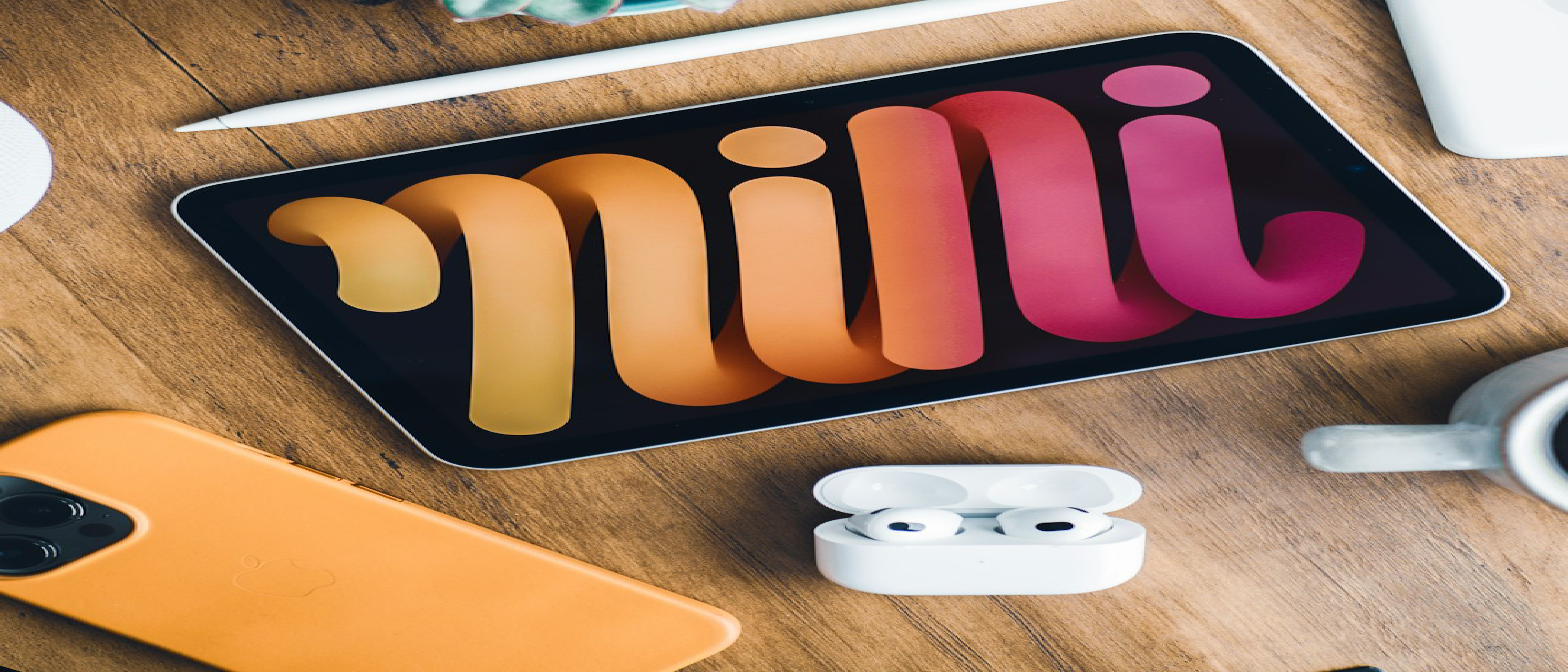
Apple’s latest iPad Mini marks a decisive shift from the modest, LCD‑based tablets of the past to a premium, feature‑rich device that feels more like a miniature iPad Pro than a budget companion. Codenamed the “2026 Mini,” it arrives with an 8.5‑inch OLED Super Retina XDR panel, an A20 Pro processor shared with the iPhone 18 Pro line, and an IP67 water‑resistance rating—first for any iPad. The base model starts at $699, a $200 jump from the previous generation, while the top‑end 512 GB configuration with a nano‑texture display reaches $1,099.
The question that dominates the conversation is simple: who is this device for? Is it a powerful tool for creators who need a truly portable canvas, or is it an overpriced novelty for casual users? This article dissects the hardware, software, and market implications to answer that question.
Display Technology and Visual Impact
OLED Super Retina XDR
Apple’s decision to move the Mini to OLED is the most visible upgrade. The 8.5‑inch panel delivers 600 nits of brightness in SDR and peaks at 1,200 nits in HDR, surpassing the iPad Pro’s typical 1,000‑nit peak. Pixel density is 19 % higher than any other iPad, resulting in razor‑sharp text and vivid colors that make the Mini a compelling device for photo editing, media consumption, and graphic design.
Nano‑Texture Option
For users who work in bright environments, Apple offers an optional nano‑texture glass for an extra $100. The etched surface diffuses ambient light, dramatically reducing glare without sacrificing the OLED’s contrast ratio. While the price bump is noticeable, professionals who spend hours outdoors or in brightly lit studios may find the trade‑off worthwhile.
No ProMotion 120 Hz
Despite the premium display, Apple omitted the 120 Hz ProMotion refresh rate found on the iPad Pro. The Mini runs at a standard 60 Hz, which keeps power consumption in check but may feel less fluid for gaming or fast‑drawing workflows. Nevertheless, the OLED’s instant pixel response mitigates the perceived lag for most everyday tasks.
Performance and Memory Architecture
A20 Pro Chipset
The Mini inherits the A20 Pro SoC from the iPhone 18 Pro series. This six‑core CPU (four performance, two efficiency) and dual 16‑core Neural Engines deliver a performance envelope that rivals the entry‑level iPad Air. However, Apple introduced a tiered configuration:
- 512 GB model – Full six‑core CPU, dual Neural Engines.
- 128 GB / 256 GB models – One efficiency core disabled, single Neural Engine.
The differentiation is subtle in day‑to‑day use but becomes evident in intensive AI tasks or prolonged video rendering. Luke Larsen, a reviewer who spent a week traveling with the device, noted that the “full‑chip” model handled multi‑layer Photoshop files without stutter, while the lower‑tier models showed minor slowdowns during batch processing.
Unified Memory
All configurations receive 12 GB of unified memory, a figure that surpasses the 8 GB found in the current Mac Book Neo. This generous allocation enables local AI models to run efficiently, a boon for developers experimenting with on‑device machine learning. The extra RAM also future‑proofs the Mini for upcoming iPadOS features that rely on larger memory footprints.
Design, Build, and Durability
Thinner, Lighter, and Water‑Resistant
Apple trimmed the chassis, bringing the weight to just over half a pound (≈ 227 g). The slimmer profile, combined with an IP67 rating, means the Mini can survive 30 minutes submerged in up to three feet of water—an industry first for iPads. This durability expands use‑case scenarios: field photography, outdoor sketching, and even accidental spills no longer threaten the device.
Color Palette
The Mini is offered in two finishes: Starlight (a warm gold‑ish tone) and Midnight (a deep navy‑black). While the limited palette may disappoint users who enjoyed the broader range of previous generations, the colors align with Apple’s current design language across the iPad and Mac families.
Audio and Camera
Apple introduced a four‑speaker system with “Acoustic Display” technology. Tweeters sit behind narrow slits at the display edges, while bass drivers are integrated directly into the panel, delivering surprisingly full sound for a device this size. In portrait mode, the stereo image feels immersive, making the Mini a viable media companion without external speakers.
The rear 12‑MP camera remains unchanged from the prior generation, but the front‑facing 12‑MP sensor has been repositioned to the side bezel. This placement improves ergonomics for video calls, allowing the camera to sit at eye level when the Mini is held in landscape mode.
Touch ID Integration
Apple retained Touch ID, moving the sensor to the power button. The decision to forgo Face ID simplifies the hardware stack and preserves the thin profile, while still offering secure biometric authentication.
Software, AI, and Accessory Ecosystem
iPadOS Enhancements
Running the latest iPadOS, the Mini supports extended display mode, windowed multitasking, and full cursor integration via USB‑C. These features narrow the gap between the Mini and larger iPad models, especially for productivity‑focused users.
Siri AI Advancements
Apple’s Siri now includes expressive voice options and on‑the‑fly dictation powered by the on‑device Neural Engine. The 12 GB memory pool allows local AI models to run without cloud latency, enhancing privacy and responsiveness. For developers interested in AI on iPad, this represents a tangible step forward.
Pencil Compatibility
The Mini works with both the Apple Pencil Pro and the USB‑C Apple Pencil. The Pro version adds tilt‑sensitivity and pressure curves that match the iPad Pro experience, while the USB‑C Pencil offers a more affordable entry point. The side‑bezel camera placement also improves the natural feel of drawing in portrait orientation.
USB‑C and Accessory Landscape
Apple’s continued commitment to USB‑C opens the Mini to a broad accessory ecosystem. For a deeper dive into USB‑C capabilities, see our related piece on USB‑C on Your Phone: More Than Just Charging and Data . The Mini pairs well with Bluetooth keyboards, the Backbone One gaming controller, and external displays, making it a versatile hub for both work and play.
Market Position, Pricing, and Future Outlook
Pricing Strategy
The $699 entry price places the Mini above the $499 price point of its predecessor, positioning it closer to the iPad Air’s $599 baseline. The 512 GB variant at $999 competes directly with the base iPad Pro, yet lacks ProMotion and the larger 11‑inch screen. This pricing suggests Apple targets power users who value portability over screen real estate.
Target Audience
- Creative Professionals: The OLED display, 12 GB RAM, and Pencil Pro support make the Mini a compelling sketchbook or on‑the‑go video editor.
- Enterprise Mobility: IP67 rating and robust performance enable field workers to rely on the device in harsh environments.
- Enthusiast Consumers: Users who want a premium tablet for media consumption and occasional productivity may find the price steep relative to the feature set.
Competitive Landscape
Competitors like Samsung’s Galaxy Tab S series and Microsoft’s Surface Go line offer comparable specs at lower price points, but none combine OLED, Apple’s silicon, and water resistance in a sub‑10‑inch form factor. Apple’s ecosystem lock‑in (iPadOS, Pencil, Magic Keyboard) remains a decisive advantage for existing Apple users.
Future Outlook
If Apple continues to iterate on the Mini’s form factor, we can anticipate:
- Higher Refresh Rates: A future ProMotion‑enabled Mini could close the performance gap with the iPad Pro.
- Expanded Color Options: More finishes would broaden appeal.
- Further AI Integration: As on‑device models mature, the Mini could become a primary tool for AI‑assisted creativity.
For now, the iPad Mini 2026 stands as a bold experiment—delivering flagship‑level display and performance in a pocketable shell, but at a price that may limit mass adoption.
Frequently Asked Questions
Q: Does the iPad Mini support external displays? A: Yes. Using the USB‑C port, you can connect to external monitors up to 4K resolution, leveraging iPadOS’s extended display mode.
Q: Can I use the regular Apple Pencil with the new Mini? A: The Mini supports both the Apple Pencil Pro and the USB‑C Apple Pencil
Q: How does the battery life compare to previous iPad Mini models? A: Apple rates the 2026 Mini for up to 10 hours of web browsing or video playback, which is roughly the same as the 2024 model. The OLED panel is more power‑efficient than the older LCD, so real‑world usage often feels a bit longer, especially when the screen brightness is kept below 400 nits.
Q: Is the iPad Mini 2026 truly waterproof, or just splash‑proof? A: With an IP67 rating, the Mini can survive immersion in up to 1 meter of fresh water for 30 minutes. This covers accidental drops in pools or rain, but Apple does not recommend prolonged submersion or exposure to saltwater.
Q: What are the differences between the 128 GB, 256 GB, and 512 GB models beyond storage? A: Apart from the obvious capacity jump, the 512 GB variant unlocks the full six‑core CPU and dual 16‑core Neural Engines. The lower‑tier models run with one efficiency core disabled and a single Neural Engine, which can affect heavy AI workloads or large‑scale video exports.
Q: Does the Mini support 5G cellular connectivity? A: Yes. The Wi‑Fi + Cellular version includes a 5G modem identical to the one found in the iPhone 18 Pro, offering comparable download speeds when on a compatible network.
Q: Can I connect a Magic Keyboard to the iPad Mini? A: Apple has not released a dedicated Magic Keyboard for the Mini’s 8.5‑inch form factor. However, third‑party Bluetooth keyboards (including the Magic Keyboard for iPad Air) pair effortlessly via USB‑C or Bluetooth.
Q: Will the iPad Mini receive the same iPadOS updates as larger iPads? A: Apple has committed to supporting the Mini with iPadOS updates for at least five years, meaning it should receive new features and security patches through at least 2031.
Q: Is there a headphone jack? A: No. Apple continues the trend of removing the 3.5 mm jack, encouraging users to rely on Bluetooth audio or USB‑C headphones.
Q: How does the Mini handle external storage? A: The USB‑C port supports up to 2 TB external SSDs, and the Files app can manage them natively. This is useful for photographers or video editors who need additional space beyond the internal storage.
Verdict: A Pocket‑Sized Powerhouse with a Premium Price Tag
Apple’s 8th‑generation iPad Mini is undeniably a technical marvel. By packing an OLED Super Retina XDR display, a full‑chip A20 Pro processor (in the top model), 12 GB of unified memory, and an IP67 rating into a device that weighs just over half a pound, Apple has redefined what a “mini” tablet can be. The visual fidelity of the OLED panel, combined with the acoustic enhancements, makes media consumption feel immersive, while the Pencil Pro support turns the Mini into a genuine creative canvas.
However, the premium pricing—$699 for the base model and $1,099 for the fully specced nano‑texture variant—places the Mini in a gray zone between the budget‑friendly iPad Air and the flagship iPad Pro. For users who prioritize screen size, the lack of a 120 Hz ProMotion display may be a deal‑breaker, especially for gamers and fast‑drawing artists. Meanwhile, casual consumers who simply want a portable tablet for browsing and streaming might balk at the cost compared to similarly capable Android alternatives.
Who should buy it?
- Professional creators who need a high‑quality OLED display and robust on‑device AI for sketching, photo editing, or light video work, and who value the Mini’s portability for field work.
- Enterprise users who require a rugged, water‑resistant device for inspections, logistics, or on‑site documentation.
- Apple ecosystem enthusiasts who want the most feature‑rich Mini and are already invested in accessories like the Apple Pencil Pro and Bluetooth keyboards.
If you fall into any of those categories, the iPad Mini 2026 feels like a logical, albeit pricey, extension of your workflow. If you’re a casual user looking for a cheap tablet for occasional media consumption, the iPad Air or even a high‑end Android tablet may offer better value.
In the end, Apple has taken a bold step: it has turned the iPad Mini from a “budget companion” into a “mini‑Pro.” Whether the market embraces that shift remains to be seen, but the hardware certainly proves that size isn’t a barrier to flagship performance.
Bottom Line: The 2026 iPad Mini delivers a premium OLED experience, powerful silicon, and unprecedented durability in a pocket‑friendly form factor. Its price reflects that ambition, making it a niche but compelling choice for power users and professionals who need a truly portable iPad without compromising on performance.
Source: Original Article