

Overview of Apple Home View
Apple’s latest entrant into the smart‑home arena, the Home View, was announced during the company’s “Welcome Home” event on October 13. The device positions itself as a central command center for Apple‑powered homes, offering a visual interface that is primarily voice‑controlled but also supports touch input. Unlike the Home Pod mini, the Home View incorporates a dedicated display and a more powerful A18 chip, promising smoother performance for both audio and visual tasks.
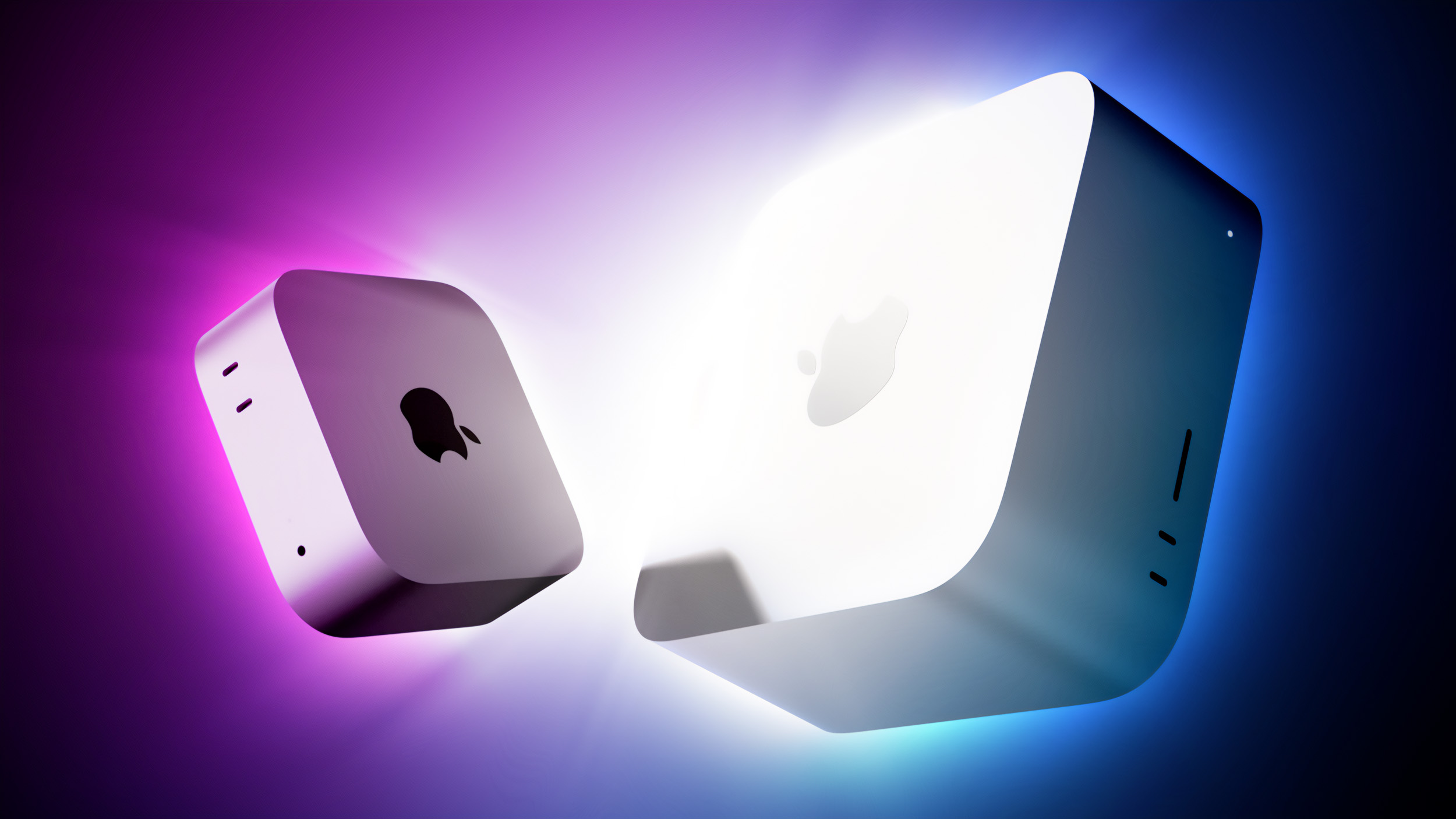
The product comes in two form factors: a countertop model with a metal speaker base and a wall‑mounted version featuring a flat, square base. The countertop variant is available in space gray, silver, starlight, and pink, while the wall‑mounted model is limited to space gray and silver. Apple has not yet disclosed pricing, but the release is expected to hit the market in mid‑November, following the launch of the new Apple TV 4K and Home Pod mini on October 30.
Why Home View Matters to the Smart Home Landscape
Apple’s foray into a dedicated smart‑home hub reflects a broader industry shift toward integrated, voice‑centric ecosystems. The Home View’s emphasis on visual feedback—displaying scenes, device status, and media—addresses a gap left by purely audio‑based assistants. By combining a high‑resolution screen with Siri’s natural‑language processing, Apple offers a more intuitive way to manage home automation, media playback, and notifications.
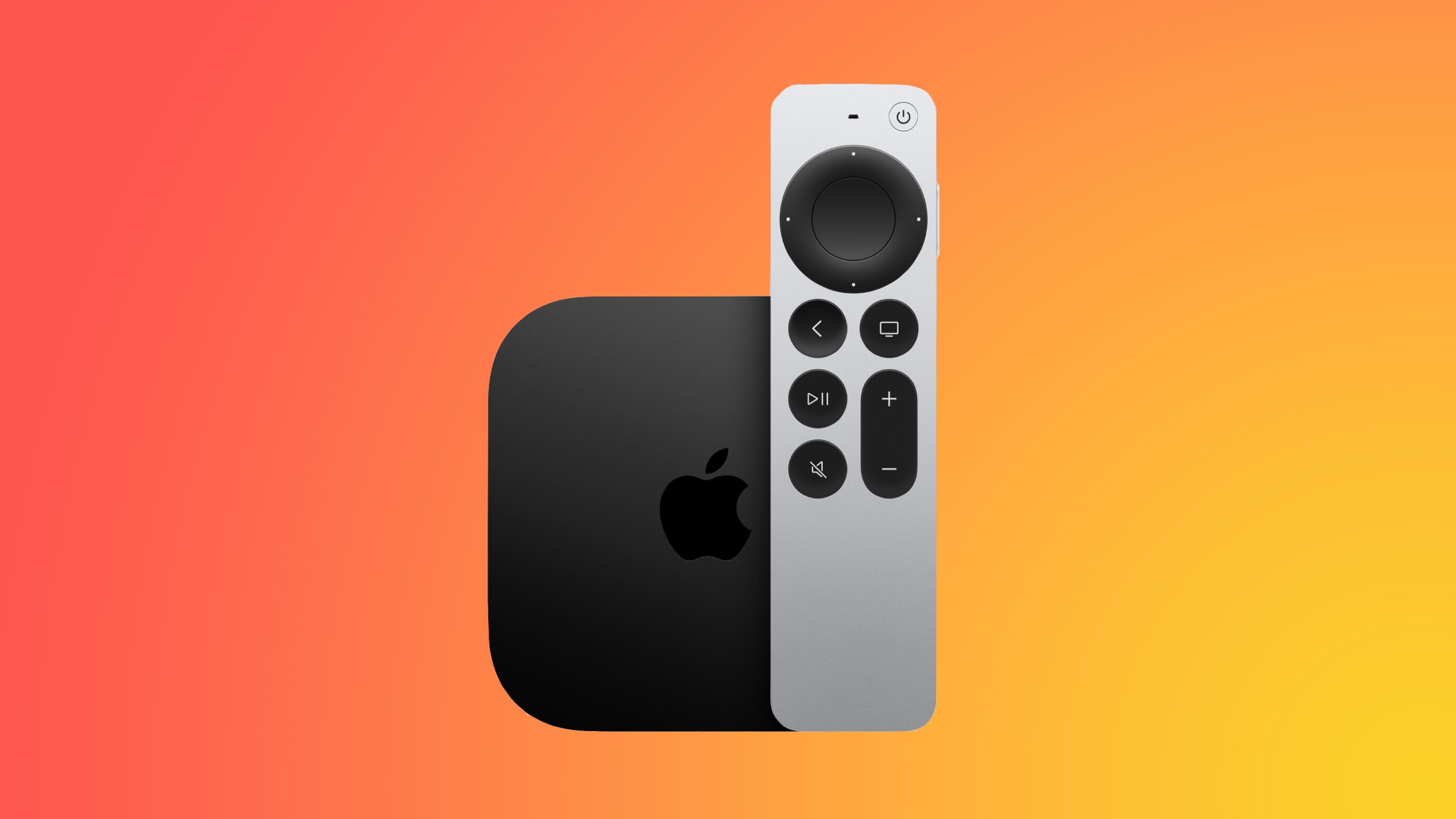
Moreover, the Home View’s compatibility with existing Apple devices—iPhone, iPad, Apple TV, and HomePod—creates a seamless experience for users already invested in the ecosystem. The device’s launch aligns with Apple’s recent hardware updates, such as the A19‑chip‑powered Apple TV 4K and the new Siri Remote, as highlighted in the Apple TV 4K Upgraded to A19 Chip article . Together, these products reinforce Apple’s strategy of delivering a cohesive, high‑performance home entertainment and automation stack.
For consumers, the Home View offers a tangible upgrade over the Home Pod mini: better audio quality, a visual interface, and the ability to control smart devices without leaving the living room. For developers, the limited app ecosystem—currently restricted to Apple’s own applications—suggests a controlled environment that prioritizes privacy and stability over third‑party expansion.
Technical Breakdown: Hardware and Software
Hardware Specifications
- Processor: A18 chip, delivering efficient performance for voice recognition, media rendering, and real‑time device control.
- Display: A high‑resolution screen (exact specs undisclosed) that shows scenes, device status, and media playback.
- Audio: Enhanced speaker system surpassing the Home Pod mini’s output, with support for spatial audio and multi‑room playback.
- Connectivity: Wi‑Fi 6E, Bluetooth 5.3, and HomeKit‑compatible protocols for seamless integration with smart devices.
- Form Factors:
- Countertop: Metal speaker base, four color options (space gray, silver, starlight, pink).
- Wall‑mounted: Flat, square base, two color options (space gray, silver).
Software and Ecosystem Integration
The Home View operates on Apple’s proprietary firmware, tightly coupled with HomeKit. It does not feature a dedicated App Store; instead, it supports a curated selection of Apple applications, such as Apple Music, Apple TV, and Home. This design choice underscores Apple’s focus on privacy and a controlled user experience.
Voice control remains the primary interaction mode, with the display providing visual confirmation and supplementary touch input. Siri’s natural‑language processing is leveraged to interpret commands, while the A18 chip ensures low latency and smooth operation.
Industry Impact and Ecosystem Synergy
Apple’s introduction of the Home View signals a strategic push into the smart‑home market, positioning the company alongside competitors like Google Nest Hub, Amazon Echo Show, and Samsung SmartThings. By offering a device that blends audio, visual, and voice control, Apple strengthens its ecosystem lock‑in, encouraging users to adopt multiple Apple products for a unified experience.
The timing of the Home View’s release—coinciding with the Apple TV 4K and Home Pod mini launches—creates a bundled ecosystem that can drive cross‑product adoption. For instance, a user can control the Home View via the new Siri Remote, stream content from Apple TV 4K, and enjoy superior audio through the Home Pod mini, all within a single ecosystem.
From a market perspective, the Home View may influence pricing and feature expectations for other smart‑home hubs. Its focus on privacy, seamless integration, and high‑quality audio could set new benchmarks, prompting competitors to enhance their own offerings.
Future Outlook: Where Apple is Heading
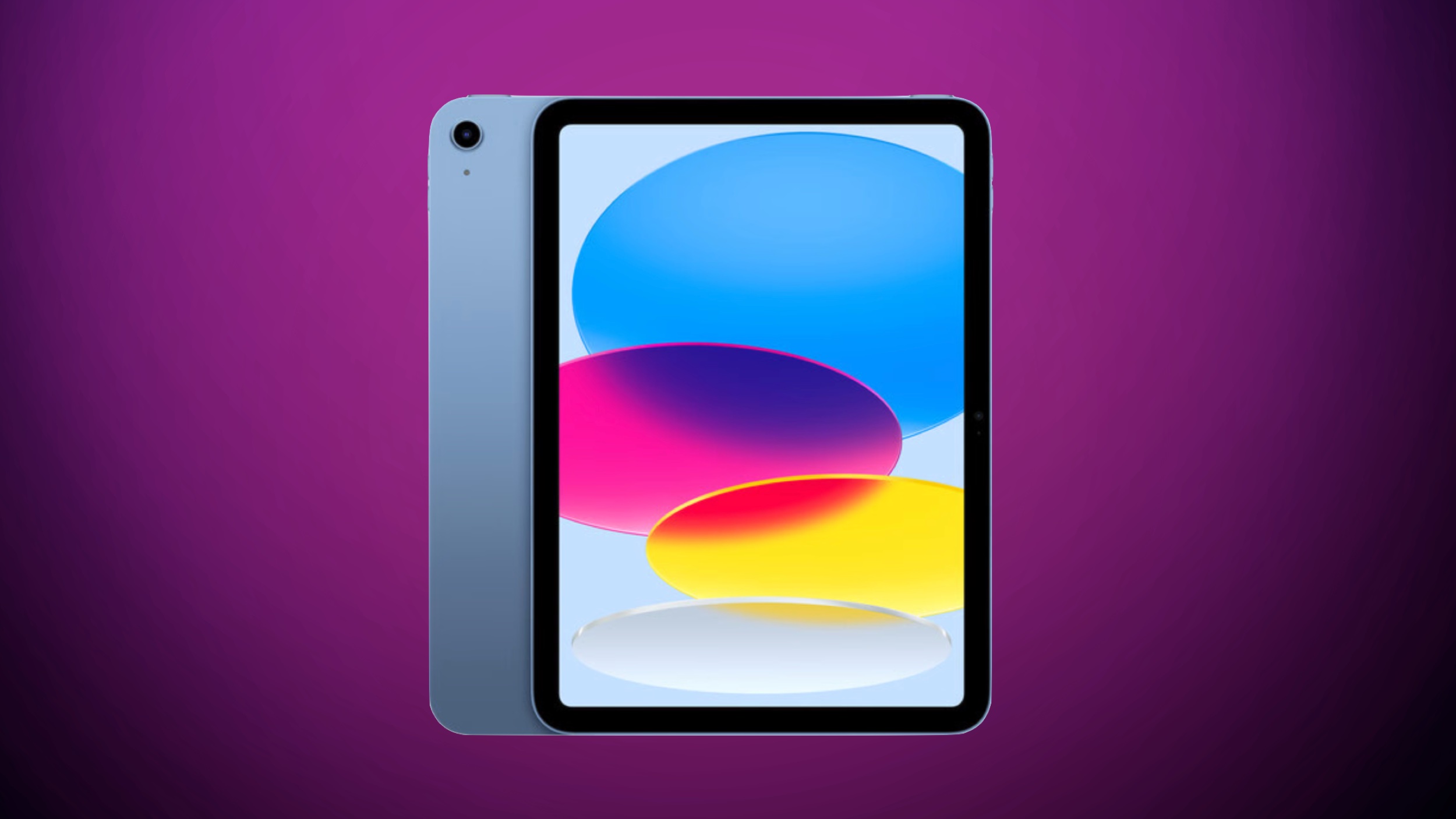
Apple’s Home View is a stepping stone toward a fully integrated home automation platform. While the device currently supports a limited app ecosystem, future software updates may expand functionality, potentially introducing third‑party app support or deeper integration with third‑party smart‑home devices. Apple’s recent push toward entry‑level iPad launches, as discussed in the Apple Pushes Entry‑Level iPad Launch to Early 2027 article , indicates a broader strategy of expanding affordable hardware to capture new market segments. The Home View could similarly become more accessible over time, especially if Apple introduces lower‑cost variants or bundles.
Additionally, Apple’s continued investment in the A‑series chips—now the A18 in the Home View and the A19 in the Apple TV 4K—suggests a focus on performance and energy efficiency. This trend may extend to future smart‑home devices, ensuring that Apple’s ecosystem remains technologically ahead of the curve.
FAQ
What is the Home View’s primary function?
The Home View serves as a Siri‑powered command center for Apple‑powered homes, offering a visual interface for controlling smart devices, media playback, and notifications.
Does the Home View support third‑party apps?
Currently, the device supports a limited selection of Apple applications and does not feature a dedicated App Store, focusing on a controlled, privacy‑centric experience.
When will the Home View be available?
Apple expects the Home View to ship in mid‑November, following the October 30 release of the new Apple TV 4K and Home Pod mini.
What colors will the Home View be available in?
The countertop model will be offered in space gray, silver, starlight, and pink, while the wall‑mounted model will be available in space gray and silver.
Will the Home View be compatible with non‑Apple smart devices?
The Home View is built around HomeKit, so it will primarily integrate with HomeKit‑compatible devices. Compatibility with non‑Apple ecosystems may be limited.
Source: Original Article