






The iPhone 16 Series: A New Design Language
Apple’s flagship line is finally shedding the lingering “plus” moniker and embracing a cleaner, more uniform design across all models. The rumored Action Button—previously exclusive to the Pro line—will now be a standard feature, giving users a programmable shortcut for everything from camera modes to accessibility functions.
Technical Highlights
- Titanium frame on Pro models for a lighter yet sturdier chassis.
- A18 Bionic (3nm) delivering up to 20% faster CPU performance and 30% better GPU efficiency.
- Periscope telephoto lens on the Pro Max, promising 5× optical zoom without the bulk of a protruding lens.
- USB‑C port for the first time on iPhone, aligning with EU regulations and offering up to 40 Gbps data transfer on Pro models.
Why It Matters
The convergence of the Action Button and USB‑C signals Apple’s willingness to standardize hardware experiences across its ecosystem. Developers can now rely on a consistent input method, while consumers benefit from faster charging and universal cables—an advantage that could reduce e‑waste and simplify accessory markets.
Industry Impact
Competitors will feel pressure to adopt similar button customizations and to accelerate their own transition to USB‑C. Moreover, the titanium frame may set a new benchmark for premium smartphones, prompting rivals to explore alternative alloys or composite materials.
Apple Watch Series 10: Health Meets Minimalism
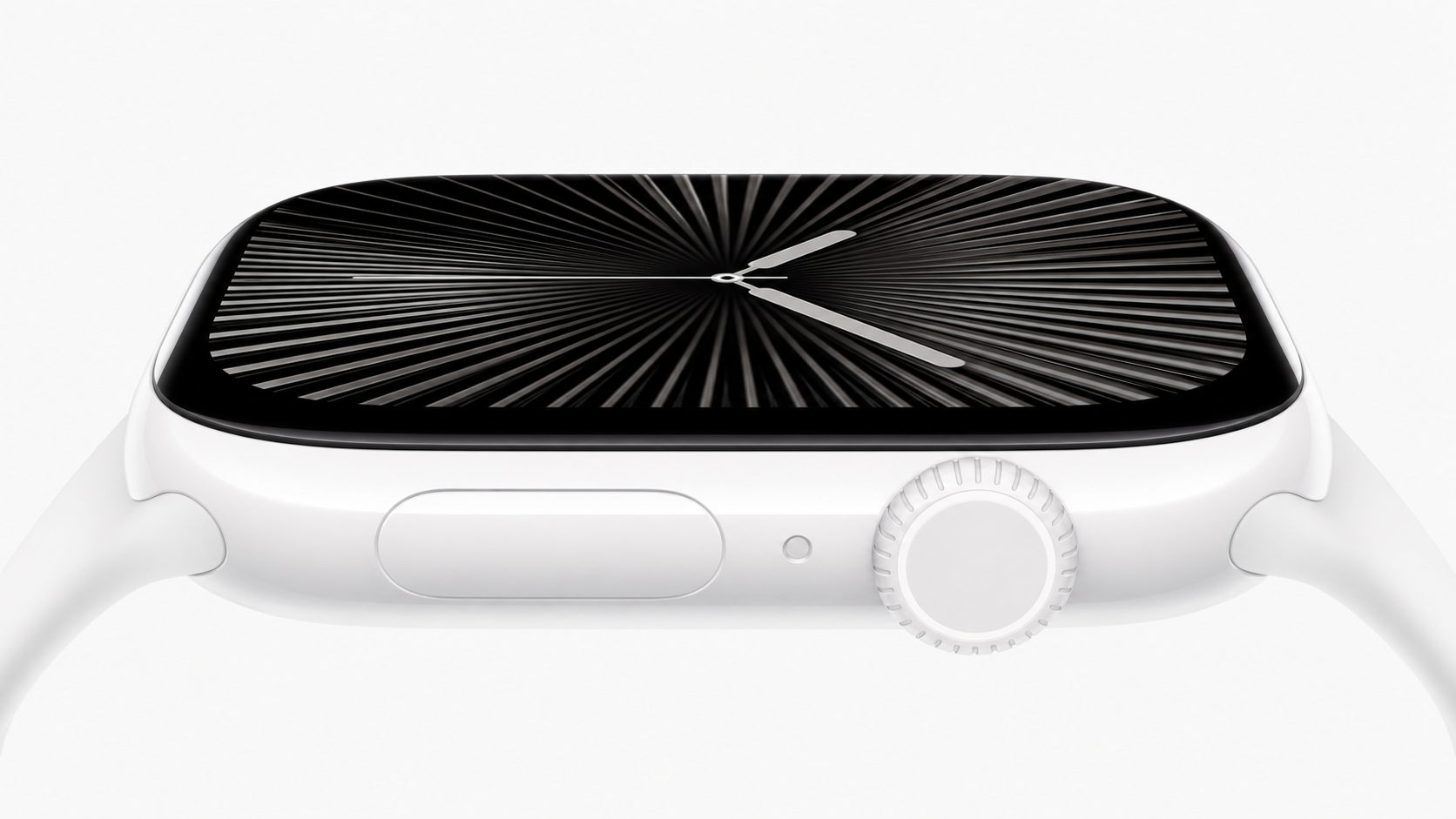
The Series 10 is poised to be Apple’s slimmest watch yet, with a 20% reduction in thickness and an edge‑to‑edge display that maximizes screen real estate without increasing the case size.
Key Features
- S10 SiP delivering smoother UI animations and quicker sensor data processing.
- Blood pressure monitoring and sleep‑apnea detection, expanding the health toolkit beyond heart‑rate and ECG.
- New magnetic band system that promises quicker swaps and a more secure fit for athletes.
Why It Matters
Apple’s health ambitions have always been a differentiator. By integrating blood‑pressure monitoring directly into the wrist, Apple reduces the need for separate cuff devices, potentially reshaping the consumer health‑tech market.
Industry Impact
Wearable manufacturers will need to match Apple’s sensor accuracy and integration depth. The move also nudges insurers and healthcare providers to consider Apple Watch data in risk assessments and wellness programs.
Apple Watch Ultra 3: The Extreme Endurance Upgrade
The Ultra 3 builds on the rugged reputation of its predecessor while delivering 3,000‑nit brightness and up to 72 hours of battery life under typical usage.
Technical Upgrades
- Enhanced depth sensor for divers, supporting up to 150 meters with real‑time decompression data.
- Customizable Action Button that can launch emergency SOS, dive logs, or third‑party apps with a single press.
- Improved thermal management allowing the watch to maintain performance in extreme temperatures.
Why It Matters
For adventure athletes and professionals operating in remote environments, the Ultra 3 offers a reliable, all‑in‑one solution that reduces the need for multiple specialized devices.
Industry Impact
The ultra‑rugged segment is still niche, but Apple’s continued investment could push other manufacturers to prioritize durability and battery longevity, raising the overall standard for premium wearables.
iPad Pro (M4, 2024): OLED Takes the Stage
Apple’s next iPad Pro is expected to debut an OLED “Tandem” display, delivering true blacks and a contrast ratio previously unseen on a tablet.
Core Specs
- M4 chip (3nm) with 4 performance cores and 6 efficiency cores, promising up to 30% faster rendering for Pro apps.
- 5.1 mm thin chassis, making the device the thinnest Pro‑class tablet to date.
- MagSafe charging and landscape‑oriented front camera, optimizing video calls and AR experiences.
Why It Matters
The OLED panel directly addresses the creative community’s demand for color accuracy and HDR performance, positioning the iPad Pro as a viable laptop replacement for many professionals.
Industry Impact
Competitors like Microsoft and Samsung will need to accelerate their own OLED tablet roadmaps. The shift also reinforces Apple’s strategy of converging the iPad and Mac ecosystems through shared silicon.
AirPods 4: A Subtle Evolution with USB‑C
AirPods 4 are rumored to adopt a smaller, lighter form factor while retaining the iconic stem design. The inclusion of a USB‑C charging case aligns the entire AirPods lineup with Apple’s broader port strategy.
Feature Set
- H2 chip for improved latency and adaptive ANC, even on the non‑Pro model.
- Find My integration for each earbud, enhancing loss prevention.
- Up to 8 hours of playback per charge, with a total of 24 hours using the case.
Why It Matters
USB‑C unifies Apple’s audio accessories with iPhone and iPad, simplifying the user experience and reducing the number of cables needed for daily charging.
Industry Impact
The move may accelerate the industry‑wide shift toward USB‑C for true wireless earbuds, prompting rivals to redesign their charging solutions to stay competitive.
The Bigger Picture: Apple’s Ecosystem Strategy
Apple’s fall 2024 lineup demonstrates a clear focus on hardware convergence, health integration, and environmental responsibility. By standardizing ports, expanding health sensors, and adopting more sustainable materials (titanium, thinner glass), Apple is not just releasing new products—it’s reinforcing a tightly knit ecosystem that locks users into a seamless experience.
Future Outlook
- AR/VR Integration: The M4’s GPU improvements hint at a future where the iPad Pro could serve as a primary AR device, especially when paired with Apple’s rumored mixed‑reality headset.
- Software Synergy: With iOS 18 expected to leverage the Action Button across the iPhone line, developers will have a new UI element to design around, potentially spawning innovative shortcuts and accessibility features.
- Supply‑Chain Evolution: The shift to titanium and OLED displays suggests Apple is deepening relationships with advanced material suppliers, which could affect pricing and availability in the short term.
Frequently Asked Questions
Q: Will the iPhone 16 series support the same accessories as the iPhone 15?
A: Most accessories that rely on the Lightning connector will need adapters, but Apple’s MagSafe ecosystem remains fully compatible.
Q: How does the new blood‑pressure sensor on the Apple Watch Series 10 work?
A: It uses a combination of optical sensors and pulse‑wave analysis to estimate systolic and diastolic pressure, calibrated against a traditional cuff during the initial setup.
Q: Is the OLED iPad Pro suitable for color‑critical work?
A: Yes. Apple’s “Tandem” OLED panel is calibrated to the P3 color space with a 10‑bit depth, making it ideal for photo and video editing.
Q: Will AirPods 4 still support spatial audio?
A: Spatial audio with dynamic head tracking is expected to continue, leveraging the H2 chip’s processing power.
Q: How does Apple’s pricing compare to competitors for these devices?
A: Apple’s premium pricing remains higher than most Android and Windows counterparts, but the integration of health sensors, premium materials, and ecosystem benefits often justifies the cost for many consumers.
Related Reads
- For a look at how consumer hardware launches influence market dynamics, see the coverage of the Wyze Smart Scale Unveiled .
- The Woot Prime Day Event offers insight into how major retailers handle high‑profile product releases, a scenario Apple will likely dominate this fall.
- Understanding media consumption trends on Apple devices is essential; read YouTube Fights AI Slop with New Monetization Rules for context on how content platforms adapt to Apple’s hardware ecosystem.
Apple’s five long‑awaited products are more than incremental upgrades; they represent strategic pivots that could reshape user expectations across mobile, wearables, and audio. As the September event approaches, the tech community will be watching closely to see how these innovations translate into real‑world adoption.
Source: Original Article