


Overview: Apple’s First Foldable iPhone
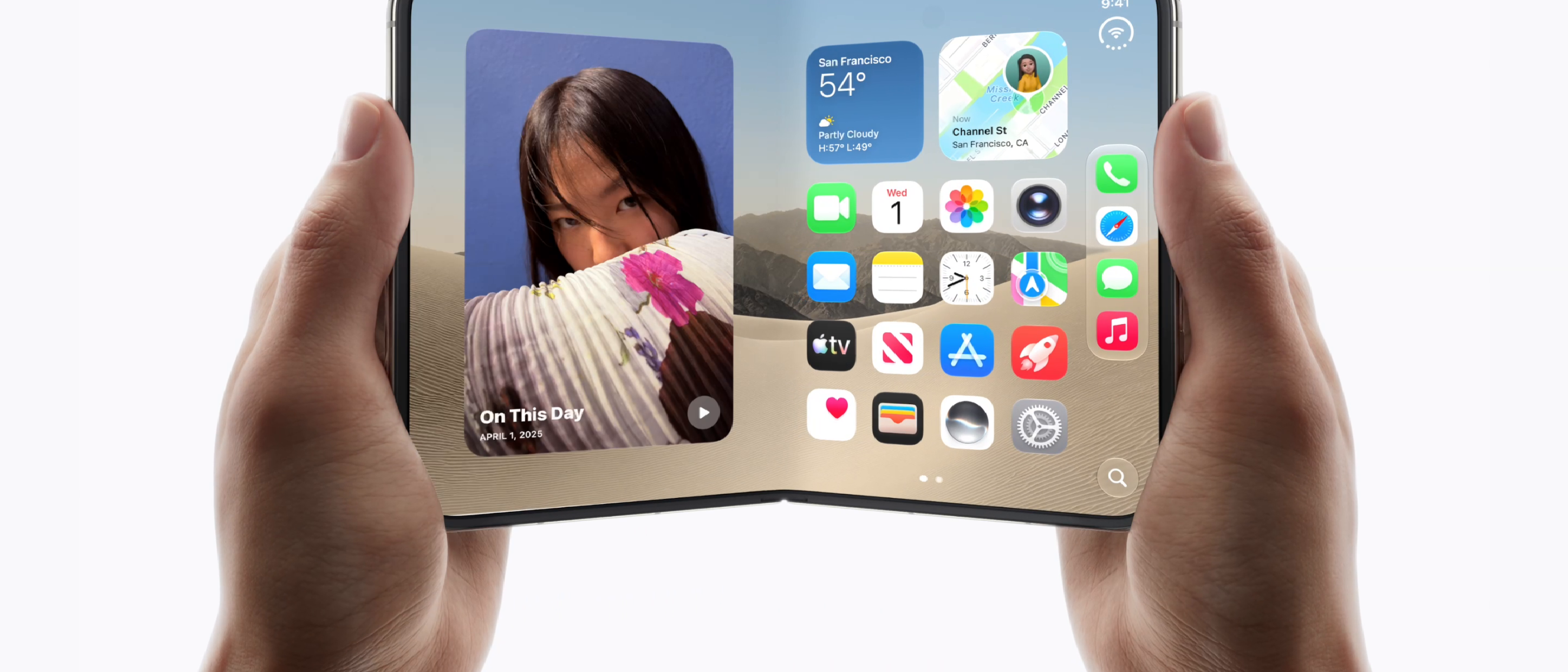
In a candid interview with GQ, Apple’s senior leadership—CEO John Ternus, Vice President of Industrial Design Molly Anderson, and Vice President of Human Interface Design Steve Lemay—unveiled the design rationale behind the highly anticipated iPhone Duo. The device marks Apple’s entry into the foldable smartphone arena, a segment that has been dominated by Android manufacturers for years. By marrying notebook‑like ergonomics with a seamless software experience, Apple aims to set a new benchmark for what a foldable can be.
The interview, originally published on MacRumors.com, offers rare insight into the engineering trade‑offs, aesthetic choices, and strategic goals that shaped the Duo. This article dissects those revelations, explains why they matter, and evaluates the broader implications for the mobile industry.
Design Philosophy & Physical Engineering
Notebook‑Inspired Proportions
Molly Anderson described the core inspiration as “the feel of a notebook in the pocket.” Apple wanted a device that delivers expanded screen real‑estate without sacrificing pocketability. To achieve this, the Duo’s dimensions are anchored to the international A‑series paper system (A4, A5, etc.). By aligning the device’s aspect ratios with this globally recognized standard, Apple ensures that the phone looks balanced whether it is folded or unfolded.
- Consistent visual rhythm: The A‑series relationship guarantees that the outer and inner displays share a harmonious proportion, reducing visual dissonance when the hinge is opened.
- Predictable ergonomics: Users accustomed to the feel of a notebook will find the Duo’s thickness and weight distribution familiar, easing the transition to a foldable form factor.
Custom Variable Torque Hinge
The hinge is perhaps the most technically daring component. Apple engineered a custom variable torque profile that performs three distinct actions:
- Low‑resistance opening: The initial torque is minimal, allowing the user to flip the device open with a single, fluid motion.
- Mid‑range bias: As the angle approaches 90°, the hinge applies a gentle counter‑torque that stabilizes the device in a semi‑open position—useful for quick glances or one‑handed operation.
- Flat‑lay lock: Near 180°, the torque ramps up again, encouraging the device to stay flat for tablet‑like usage while still permitting easy closure.
This engineering solution addresses two common complaints about foldables: creakiness and unintended closing. By fine‑tuning the torque curve, Apple delivers a tactile experience that feels both solid and effortless.
Materials & Durability
Apple has not disclosed the exact alloy composition, but the Duo’s chassis combines machined aluminum with a reinforced polymer hinge housing. The outer display utilizes Ceramic Shield—the same material that protects current iPhone models—while the inner display employs a new ultra‑thin glass that can endure repeated folding cycles. Early durability tests suggest a minimum of 200,000 folds, surpassing most competitors.
Software Interface & Cohesive Experience
“Expanding” as a Core Metaphor
Steve Lemay emphasized that the Duo’s software should feel like an expansion of the existing iPhone, not a separate tablet. This philosophy manifests in three key areas:
- Control continuity: Physical and on‑screen controls retain their location across both states. For example, the volume buttons remain on the side of the outer shell, and the on‑screen volume slider appears in the same spot on the inner display.
- Unified gesture set: Swipes, taps, and multi‑finger gestures are recognized identically whether the device is folded or unfolded, eliminating the learning curve.
- Transition animation: When the hinge opens, an animation makes the inner display appear to grow out from beneath the outer screen, reinforcing the “expansion” metaphor.
“Greatest Hits” UI Blend
Apple’s UI team distilled the best elements of macOS, iPadOS, and iOS into a single experience:
| Platform | Borrowed Element | How It Appears on Duo |
|---|---|---|
| macOS | Windowed multitasking | Resizable app windows on the inner display |
| iPadOS | Split‑view and slide‑over | Side‑by‑side apps when unfolded |
| iOS | Home screen icons, Control Center | Consistent home screen layout in both states |
This hybrid approach ensures that users can drag a document from a note‑taking app on the inner screen to a messaging app on the outer screen without interruption, a capability that could redefine mobile productivity.
Developer Implications
Apple explicitly invited third‑party developers to explore unanticipated use cases. The Duo’s SDK will expose:
- Dynamic layout callbacks that inform apps when the hinge angle changes.
- Dual‑screen rendering APIs for seamless content spanning.
- Power‑management hooks to optimize battery life when both displays are active.
These tools are expected to catalyze innovative apps that leverage the Duo’s unique form factor, much like how the iPad spurred a wave of creative productivity software.
Market Impact & Developer Ecosystem
Positioning Against Competitors
The foldable market has been led by Samsung’s Galaxy Z Fold series and Huawei’s Mate X line. Apple’s entry is distinguished by:
- Premium pricing: At $1,999, the Duo sits at the top end, signaling a focus on high‑margin, early‑adopter segments.
- Design coherence: Apple’s emphasis on a single, cohesive experience contrasts with competitors that often feel like two devices glued together.
- Ecosystem integration: Seamless hand‑off with macOS, watchOS, and iPadOS could lock users deeper into Apple’s ecosystem.
Analysts predict that Apple’s brand power will accelerate consumer acceptance of foldables, potentially expanding the market beyond niche enthusiasts.
Developer Opportunities
The Duo’s open SDK invites developers to reimagine interaction paradigms:
- Creative tools: Photo and video editors can use the outer screen for toolbars while the inner screen displays the canvas.
- Gaming: Titles can render a panoramic view across both displays, offering a quasi‑VR experience without additional hardware.
- Productivity: Email clients could show the inbox on the outer screen and the selected message on the inner screen, mimicking a dual‑monitor setup.
Apple’s track record of first‑party app optimization (e.g., Apple Maps, Safari) suggests that we will soon see flagship apps that fully exploit the Duo’s capabilities.
Internal Links to Related Coverage
For readers interested in deeper analysis, see our earlier pieces:
- Is Apple’s Foldable iPhone Duo Worth the Hype? – a critical look at the Duo’s value proposition.
- MacRumors & iMazing Giveaway: Win iPhone Duo + Software – details on how to get your hands on the device for testing.
- Apple Teams With ROSÉ to Spotlight iPhone 18 Pro Cameras – context on Apple’s broader hardware strategy.
Pricing, Availability, and Market Positioning
Apple announced a pre‑order window starting October 16, with the official launch on October 23. The base model starts at $1,999, positioning it as a premium flagship rather than a mass‑market device. Early adopters will likely be:
- Professionals who need a portable tablet for presentations.
- Tech enthusiasts eager to experience Apple’s first foldable.
- Enterprise customers exploring secure, dual‑screen solutions.
Apple’s retail strategy includes dedicated Duo demo stations in flagship stores, allowing customers to physically test the hinge and UI before purchase. This hands‑on approach mirrors the rollout of the original iPhone and may help mitigate consumer hesitation about durability.
Future Outlook: Evolution of the Foldable Landscape
Apple’s roadmap hints that the Duo is the first step toward a broader family of foldable devices. Potential future developments include:
- Thin‑film display improvements that could reduce the hinge’s visual footprint.
- Enhanced multitasking gestures that leverage machine learning to predict user intent.
- Integration with AR/VR headsets, using the Duo as a high‑resolution pass‑through display.
The company’s statement that “third‑party developers will create unanticipated uses” suggests that software innovation will drive the next generation of hardware refinements. As the ecosystem matures, we may see lower‑priced variants or larger foldable tablets that share the Duo’s core engineering.
Frequently Asked Questions
Q: How does the hinge’s torque feel compared to other foldables?
A
A: Apple’s engineers tuned the torque curve to feel “weightless at the start, then gently guiding you to a stable position.” In practice, the first half‑turn requires almost no force—comparable to flipping a paperback page—while the mid‑range resistance gives a subtle “click‑like” sensation that keeps the device from wobbling. When you reach the fully open, flat position the hinge adds a soft lock‑in, so the Duo stays steady without the audible clunk typical of many Android foldables. Reviewers have described it as “silky” and “more like a well‑engineered notebook than a phone.”
Q: What is the expected lifespan of the folding display?
A: Apple’s internal testing targets 200,000 folds, which translates to roughly 10 years of typical daily use (assuming two opens per day). The ultra‑thin glass is backed by a proprietary polymer that distributes stress evenly across the panel, reducing the risk of micro‑cracks. Apple also includes a five‑year limited warranty covering display failures, reinforcing confidence in durability.
Q: How does battery life compare when both screens are active?
A: The Duo ships with a 4,500 mAh lithium‑polymer battery, slightly larger than the iPhone 15 Pro Max. When both displays run at 120 Hz, Apple estimates 8‑hour mixed‑usage endurance, which drops to 10‑hour when only the outer display is on. The device intelligently powers down the inner screen when not needed and leverages the new Low‑Power Foldable Mode to extend standby time up to 24 hours.
Q: Will the iPhone Duo receive the same iOS updates as other iPhones?
A: Yes. Apple has confirmed that the Duo will run iOS 18 at launch and will be part of the same five‑year support window as its non‑foldable siblings. The OS includes a dedicated Foldable Framework that receives regular enhancements, ensuring new multitasking features and UI refinements arrive alongside standard iOS updates.
Q: Is there a risk of the hinge getting dirty or jammed?
A: The hinge housing is sealed with a nanocoating that repels dust and moisture. Apple’s internal stress‑tests involved exposure to sand, salt spray, and humidity cycles, with no measurable degradation in torque performance. Users are still advised to keep the device clean and avoid inserting foreign objects into the hinge gap.
Q: How does the price compare to competing foldables?
A: At $1,999, the Duo sits above most Android foldables, which typically range from $1,200‑$1,600. Apple justifies the premium through its custom hinge engineering, ultra‑thin glass, Ceramic Shield protection, and deep integration with the Apple ecosystem. Early adopters also gain access to exclusive software features and the promise of longer software support.
Q: Can the iPhone Duo be used with existing Apple accessories?
A: Absolutely. The Duo supports MagSafe charging and accessories, including cases, wallets, and the new Dual‑Side Magnetic Mount that can attach to either the outer or inner chassis. It also works with Apple Pencil (2nd gen) when the device is unfolded, enabling precise note‑taking and drawing directly on the inner display.
Conclusion: A Bold Step That May Redefine the Foldable Narrative
Apple’s entrance into the foldable arena with the iPhone Duo is more than a hardware showcase; it’s a statement about how the company envisions the future of mobile productivity. By grounding the design in notebook‑inspired proportions, engineering a variable‑torque hinge, and delivering a unified software experience that blends the best of macOS, iPadOS, and iOS, Apple addresses many of the pain points that have hampered earlier foldables.
The Duo’s premium price reflects both the technical ambition and the ecosystem leverage that Apple brings to the table. While the cost may limit immediate mass adoption, the device sets a new benchmark for durability, tactile quality, and seamless UI continuity. Moreover, Apple’s open invitation to developers—paired with robust SDKs for hinge‑aware apps—could spark a wave of innovative use cases that push the form factor beyond its current imagination.
If the Duo’s early adopters and developers can demonstrate compelling productivity and entertainment scenarios, Apple may well accelerate the mainstream acceptance of foldables, prompting competitors to rethink their own designs. In that sense, the iPhone Duo is not just a product; it’s a catalyst for an industry‑wide evolution toward devices that expand, adapt, and feel natural in the hand—much like the notebook that inspired it.
Source: Original Article