



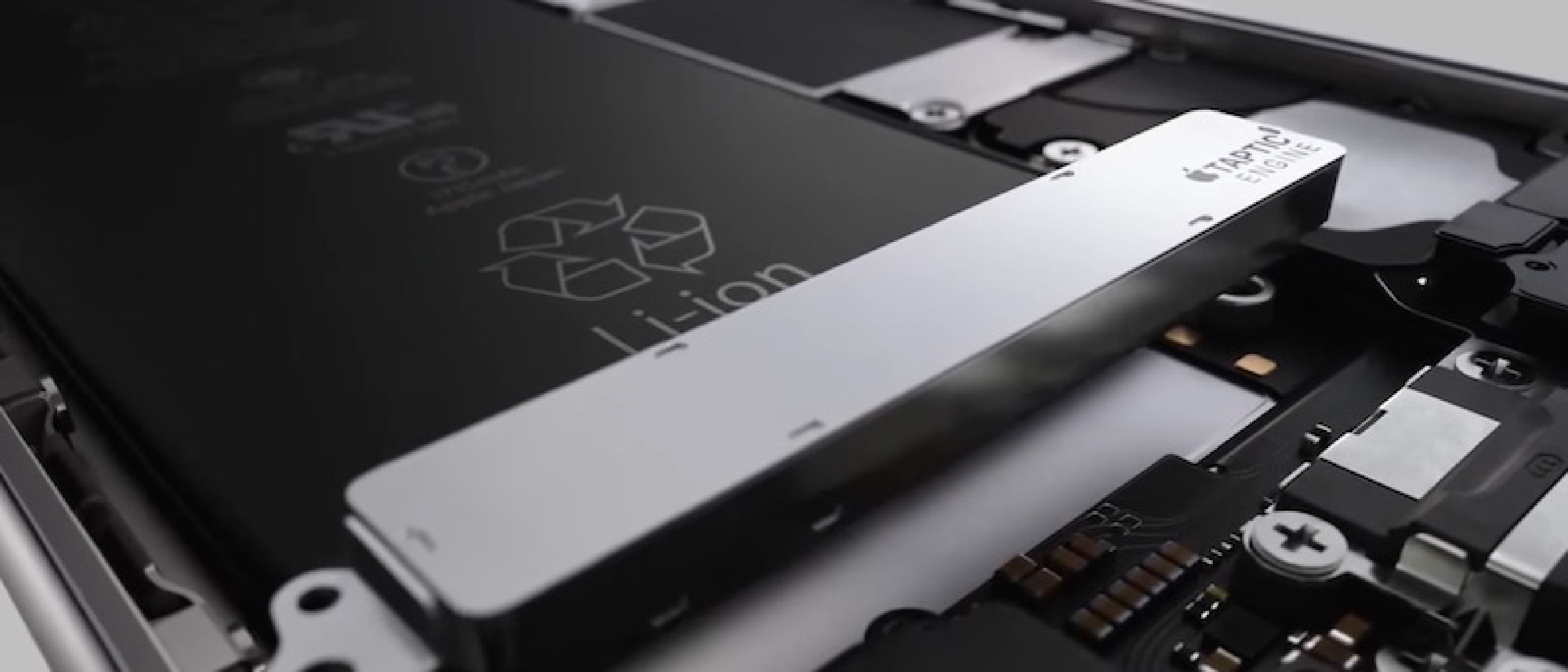
Background of the Taction Verdict
In September 2024, a federal jury in California handed Taction Technology a $5.7 billion verdict against Apple, finding that the iPhone and Apple Watch Taptic Engine infringed two of Taction’s patents covering haptic‑feedback technology. The award covered sales from 2021 through late March 2026 and was calculated on the basis that Apple’s devices used the patented vibration‑generation methods without a license.
Taction is now filing a supplemental claim that seeks compensation for roughly six additional months of sales that fell outside the original calculation window, plus statutory interest at 7 % per year under California law and ongoing royalties on future iPhone and Apple Watch units. The company argues that the core technology has not materially changed in newer models such as the iPhone 18 Pro and Apple Watch Series 12, meaning those sales should also be subject to the same damages formula.
Apple has responded by filing a motion to overturn the verdict or, at minimum, to secure a new trial. The company maintains that its Taptic Engine is “fundamentally different” from Taction’s patented designs and that the jury’s damage model vastly overstates the actual harm.
Technical Anatomy of the Taptic Engine
The Taptic Engine is Apple’s proprietary actuator that converts electrical signals into precise haptic sensations. It combines a linear resonant actuator (LRA) with sophisticated firmware to produce tactile feedback for system alerts, UI interactions, and gaming vibrations. The two patents held by Taction focus on:
- Signal modulation techniques that shape the waveform to achieve specific vibration patterns.
- Mechanical coupling methods that transmit the vibration from the actuator to the device chassis with minimal distortion.
Apple’s engineering teams have iterated on the Taptic Engine across multiple hardware generations, but the underlying principle—using a resonant mass driven by an electromagnetic coil—remains consistent. This continuity is the crux of Taction’s argument: if the core method of generating haptic feedback is unchanged, later products continue to infringe.
From a hardware perspective, the Taptic Engine sits alongside other components such as the USB‑C port, which has become a focal point for Apple’s broader hardware strategy. For readers interested in how Apple leverages ports for more than just charging, see our deep dive on USB‑C: https://ltdeveloperblogs.github.io/posts/your-phones-usb-c-port-does-a-lot-more-than-just-charge-heres-what-else-it-can-do .
Financial Stakes and Calculations
The Original $5.7 B Figure
The jury’s award was based on a per‑unit royalty rate applied to every iPhone and Apple Watch sold between 2021 and March 2026. The calculation incorporated:
- Total units sold – roughly 300 million iPhones and 150 million Apple Watches in the period.
- Royalty rate – derived from comparable licensing agreements in the haptic‑feedback space.
- Discount factor – to present‑value future cash flows.
Taction’s Supplemental Claim
Taction’s supplemental filing adds three major components:
- Six months of additional sales – covering the period from April 2026 to September 2026, which the original verdict omitted.
- Statutory interest – 7 % per annum, compounded annually, as mandated by California law.
- Ongoing royalties – a quarterly reporting and payment schedule that would continue until the patents expire on September 24 2035.
If the court accepts these elements, the total exposure for Apple could climb well beyond the headline $5.7 billion, potentially adding hundreds of millions in interest and future royalty obligations.
Potential Accounting Impact
For Apple, the verdict already forces a significant charge to earnings. An expanded liability would affect:
- Quarterly earnings guidance – especially if royalty payments are required on a quarterly basis.
- Cash‑flow forecasts – the need to set aside reserves for future payments could tighten liquidity.
- Shareholder perception – large, ongoing legal liabilities often translate into stock price volatility.
Why It Matters: Legal and Market Implications
Precedent for Patent Damages
The case underscores how juries can apply massive per‑unit royalty models to consumer electronics. If Taction’s supplemental claim succeeds, it could set a benchmark for future patent litigation involving high‑volume hardware. Companies may need to reassess their licensing strategies for components that are “core” to a product’s user experience, such as haptics, biometric sensors, or display drivers.
Apple’s Defense Strategy
Apple’s argument that its Taptic Engine is “fundamentally different” mirrors tactics used in other high‑profile disputes, including its own litigation against Samsung where Apple argued that royalty obligations should extend to newer devices with similar infringing technology. The outcome will influence how Apple structures future hardware patents and whether it opts for more defensive patent portfolios or seeks cross‑licensing deals.
Market Perception and Competitive Landscape
A larger financial hit could:
- Accelerate price adjustments – Apple might look to offset costs through marginal price increases on premium models.
- Influence component sourcing – Suppliers of haptic actuators could see heightened scrutiny, prompting Apple to diversify its supply chain.
- Impact investor confidence – Ongoing legal exposure can affect Apple’s valuation, especially in a market that closely watches “big‑tech” risk factors.
For a broader view of how Apple’s ecosystem decisions affect its business model, see our analysis of the App Store’s push for premium games: https://ltdeveloperblogs.github.io/posts/apples-app-store-chief-explains-its-push-for-premium-games .
Industry Impact and Future Outlook
Haptic Technology Evolution
Haptic feedback is becoming a differentiator in smartphones, wearables, and emerging AR/VR devices. If the Taction ruling expands royalty obligations, manufacturers may:
- Invest in alternative actuation methods – such as piezoelectric or electro‑static haptics that avoid the patented techniques.
- Accelerate patent‑by‑design – embedding licensing considerations early in the product development cycle.
Potential Ripple Effects on Security
While the case is fundamentally about patents, any hardware modification can have security ramifications. The Taptic Engine interacts with the device’s low‑level firmware, and changes to its control loop could affect side‑channel attack surfaces. Security researchers have previously highlighted how firmware updates to haptic components can be leveraged for privilege escalation, as discussed in our Zoom zero‑day analysis: https://ltdeveloperblogs.github.io/posts/zoom-flaw-let-an-attacker-take-over-your-device-including-iphone-and-mac .
Timeline to Resolution
The litigation timeline is likely to extend over several years:
- Post‑verdict motions – Apple’s request for a new trial or judgment notwithstanding the verdict.
- Supplemental claim hearing – Taction’s request for additional damages and interest.
- Potential appeal – Both parties may appeal to the Federal Circuit, adding further delay.
During this period, Apple will continue to ship newer iPhone and Apple Watch models, meaning the royalty calculation could be applied to devices that have not yet been released.
Strategic Takeaways for Developers
Developers building apps that rely heavily on haptic feedback (e.g., gaming, accessibility tools) should monitor the outcome, as royalty costs could indirectly affect SDK pricing or API access. While Apple’s public SDKs remain free, any shift in hardware licensing fees might influence the cost structure of third‑party haptic SDKs.
Frequently Asked Questions
Q1: Does the $5.7 billion verdict cover all iPhone and Apple Watch sales to date?
A: The original award covers sales from 2021 through late March 2026. Taction’s supplemental claim seeks to add roughly six months of sales beyond that window.
Q2: What is the significance of the 7 % interest rate?
A: Under California law, statutory interest is applied to compensate the plaintiff for the time value of money. At 7 % annually, the interest could add hundreds of millions to the total liability.
Q3: When do the ongoing royalties begin, and how are they calculated?
A: Royalties would be reported quarterly, based on U.S. sales, and paid within 30 days of each quarter’s end. The rate is expected to mirror the per‑unit royalty used in the original verdict, though the exact figure is still under negotiation.
Q4: Could Apple redesign the Taptic Engine to avoid future royalties?
A: Technically possible, but redesigning a core component across the product line would be costly and could impact user experience. Apple may instead pursue licensing or settlement.
Q5: How might this case affect other Apple hardware patents?
A: A precedent for large per‑unit damages could encourage plaintiffs to target other high‑volume components, such as camera modules or wireless chips, prompting Apple to reassess its overall patent risk management.
The Taction verdict and its potential expansion represent a pivotal moment for Apple’s hardware strategy, the valuation of patent portfolios, and the broader ecosystem of haptic technology. Stakeholders—from investors to developers—should watch the legal proceedings closely, as the final outcome will shape cost structures and innovation pathways for years to come.
Source: Original Article