

The Rumor Landscape: What We Know So Far
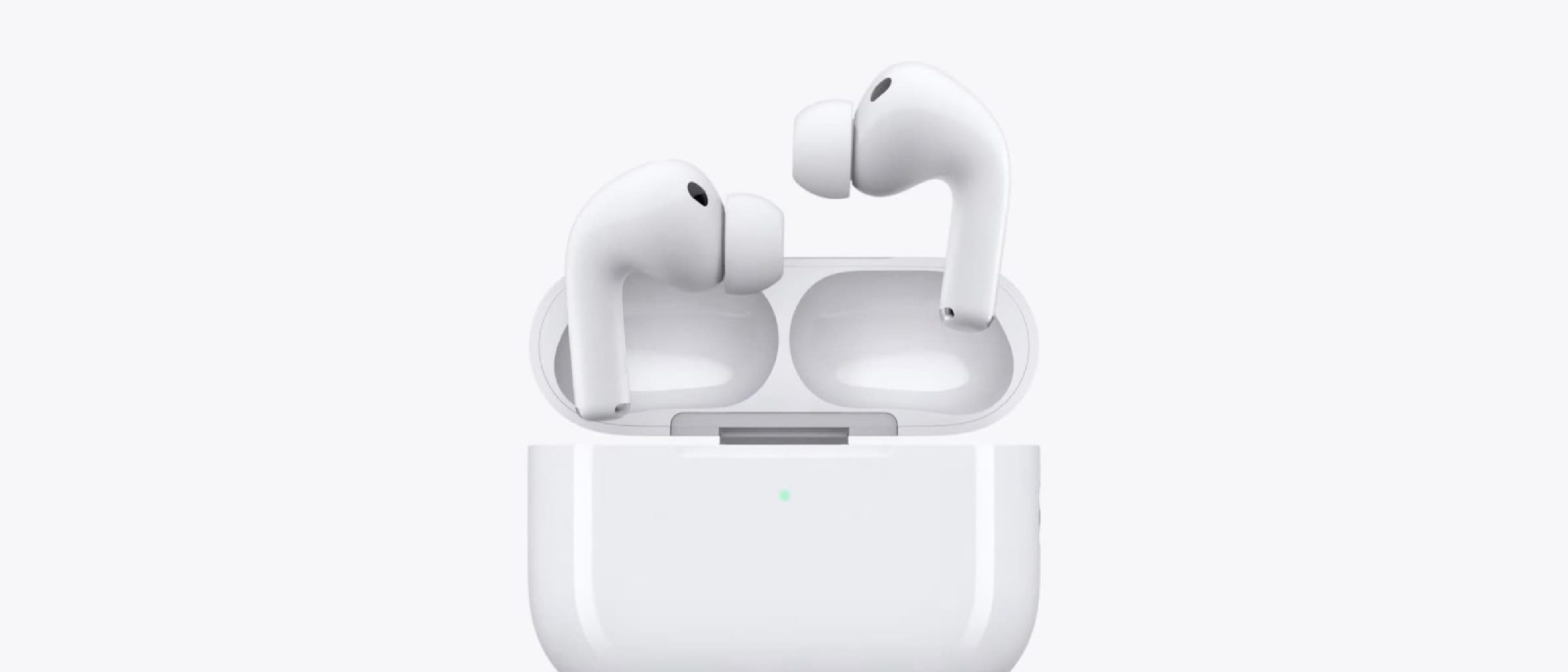
A recent tip from 9to5Mac suggests that Apple is preparing to introduce two distinct AirPods 5 models as early as next month. The source, while not providing concrete specifications, indicates that Apple is expanding the AirPods family beyond the current lineup of the standard AirPods 2, AirPods 3, and the Pro series.
Key points extracted from the report:
- Two new models are slated for launch, implying a possible split between a budget‑friendly version and a premium, feature‑rich variant.
- The announcement window is “next month,” which places the reveal somewhere in September 2026, given the article’s publication date.
- No pricing or detailed feature list has been disclosed, leaving analysts to speculate based on Apple’s historical cadence and market pressures.
The rumor aligns with Apple’s pattern of refreshing its audio accessories roughly every 18‑24 months, a rhythm that keeps the product line fresh without cannibalizing sales of existing models.
Why Two Models? Strategic Rationale Behind the Split
Apple’s decision to launch two separate AirPods 5 models would not be unprecedented. The company has previously segmented its audio portfolio to address distinct consumer segments:
| Segment | Existing Model | Typical Price (USD) | Target Audience |
|---|---|---|---|
| Entry‑level | AirPods 2 | $129 | Casual listeners, price‑sensitive buyers |
| Mainstream | AirPods 3 | $179 | Users seeking better sound and spatial audio |
| Premium | AirPods Pro | $249 | Audiophiles, fitness enthusiasts, creators |
A new two‑model strategy could look like:
- AirPods 5 (Standard) – a refined version of the current AirPods 3, possibly with improved battery life, a smaller stem, and incremental sound enhancements.
- AirPods 5 Pro – a higher‑end offering that could integrate next‑generation sensors, advanced active noise cancellation (ANC), and tighter integration with Apple’s spatial audio ecosystem.
Strategic benefits:
- Market Coverage – By offering a clear entry point and a premium tier, Apple can capture both price‑conscious consumers and those willing to pay for cutting‑edge features.
- Supply Chain Flexibility – Separate models allow Apple to stagger component orders, mitigating the risk of shortages that have plagued other product cycles.
- Competitive Positioning – A refreshed budget model could directly challenge Samsung’s Galaxy Buds 2 line, while a premium variant would take on Sony’s WF‑1000XM5 and Bose’s QuietComfort Earbuds II.
Technical Speculation: What Might the AirPods 5 Bring?
While Apple has not released official specifications, the tech community can infer likely upgrades based on recent patents, supply‑chain leaks, and the evolution of competing products.
Possible Hardware Enhancements
- Improved Drivers – Apple could adopt a new high‑excursion driver design, delivering deeper bass without sacrificing clarity.
- Next‑Gen H2 Chip – The H2 chip powers the AirPods Pro 2; a scaled‑down version might appear in the standard AirPods 5, offering lower latency and better power efficiency.
- Battery Life Boost – Incremental gains of 1–2 hours per charge are realistic, especially if Apple refines the internal layout.
- Enhanced Sensors – The premium model may feature a new skin‑detect sensor for automatic playback pause, similar to the one in the AirPods Pro 2, but with added motion detection for fitness tracking.
Software and Ecosystem Integration
- Spatial Audio with Dynamic Head Tracking – Already present in the Pro line, Apple could extend this to the standard model, leveraging the H2 chip’s processing power.
- Find My Improvements – A louder speaker and more precise Bluetooth LE positioning could make locating lost earbuds easier.
- Adaptive EQ – Real‑time tuning based on the wearer’s ear shape, a feature hinted at in Apple’s WWDC 2025 keynote, might become standard.
Potential Design Tweaks
- Smaller Stem – A slimmer profile would improve comfort and reduce the “visibility” factor that some users criticize.
- New Color Options – Apple often introduces fresh finishes alongside major releases; a matte black or pastel variant could be on the table.
Pricing and Market Impact
Without official numbers, analysts rely on historical pricing trends. The standard AirPods 3 launched at $179, while the AirPods Pro 2 debuted at $249. If Apple follows a similar spread:
- AirPods 5 (Standard) could be priced around $149–$169, undercutting the current AirPods 3 and appealing to cost‑sensitive buyers.
- AirPods 5 Pro might sit at $229–$259, positioning it just below the premium segment of competing ANC earbuds.
Competitive Landscape
- Samsung Galaxy Buds 2 Pro – $229, with ANC and 24‑hour battery life.
- Sony WF‑1000XM5 – $229, renowned for industry‑leading noise cancellation.
- Bose QuietComfort Earbuds II – $299, premium pricing with strong brand loyalty.
Apple’s brand equity and seamless integration with iOS give it a distinct advantage, but price sensitivity in emerging markets could pressure Apple to keep the entry‑level model affordable.
Voices from the Field: Marcus Mendes and 9to5Mac
Brazilian tech podcaster Marcus Mendes has covered Apple since the mid‑2000s, offering a unique perspective that blends long‑term observation with regional market insights. Mendes has highlighted two recurring themes in Apple’s audio strategy:
- Ecosystem Lock‑In – Apple’s ability to tie AirPods functionality to iPhone, iPad, Mac, and now Vision Pro creates a compelling reason for users to stay within the Apple universe.
- Iterative Innovation – Rather than radical overhauls, Apple tends to refine existing technologies, delivering incremental but meaningful upgrades each cycle.
Mendes’ commentary aligns with 9to5Mac’s coverage, which emphasizes that the “next month” timeline suggests Apple is already in the final stages of hardware validation. Both sources underscore the importance of software‑driven features (e.g., spatial audio, Find My) as differentiators, especially as hardware margins tighten.
Future Outlook: What This Means for Wireless Audio
If Apple proceeds with
If Apple proceeds with both an entry‑level AirPods 5 and a premium AirPods 5 Pro, the company will effectively reset the competitive playing field for true‑wireless earbuds in 2026.
Market Ripple Effects
- Accelerated Feature Parity – Competitors will feel pressure to match Apple’s software‑centric upgrades (e.g., spatial audio with dynamic head tracking) rather than relying solely on raw hardware specs.
- Supply‑Chain Realignment – Tiered production runs could smooth out component shortages that have plagued the industry, especially for high‑demand chips like the H2.
- Pricing Warfront – A sub‑$170 entry model may force rivals to trim prices or bundle services (e.g., Samsung’s Galaxy + Buds bundles) to stay attractive.
Ecosystem Synergy
Apple’s broader hardware roadmap—particularly the upcoming Vision Pro 2 and the iPhone 16 Pro—suggests that the AirPods 5 line will serve as a universal audio hub across devices. Expect tighter integration with:
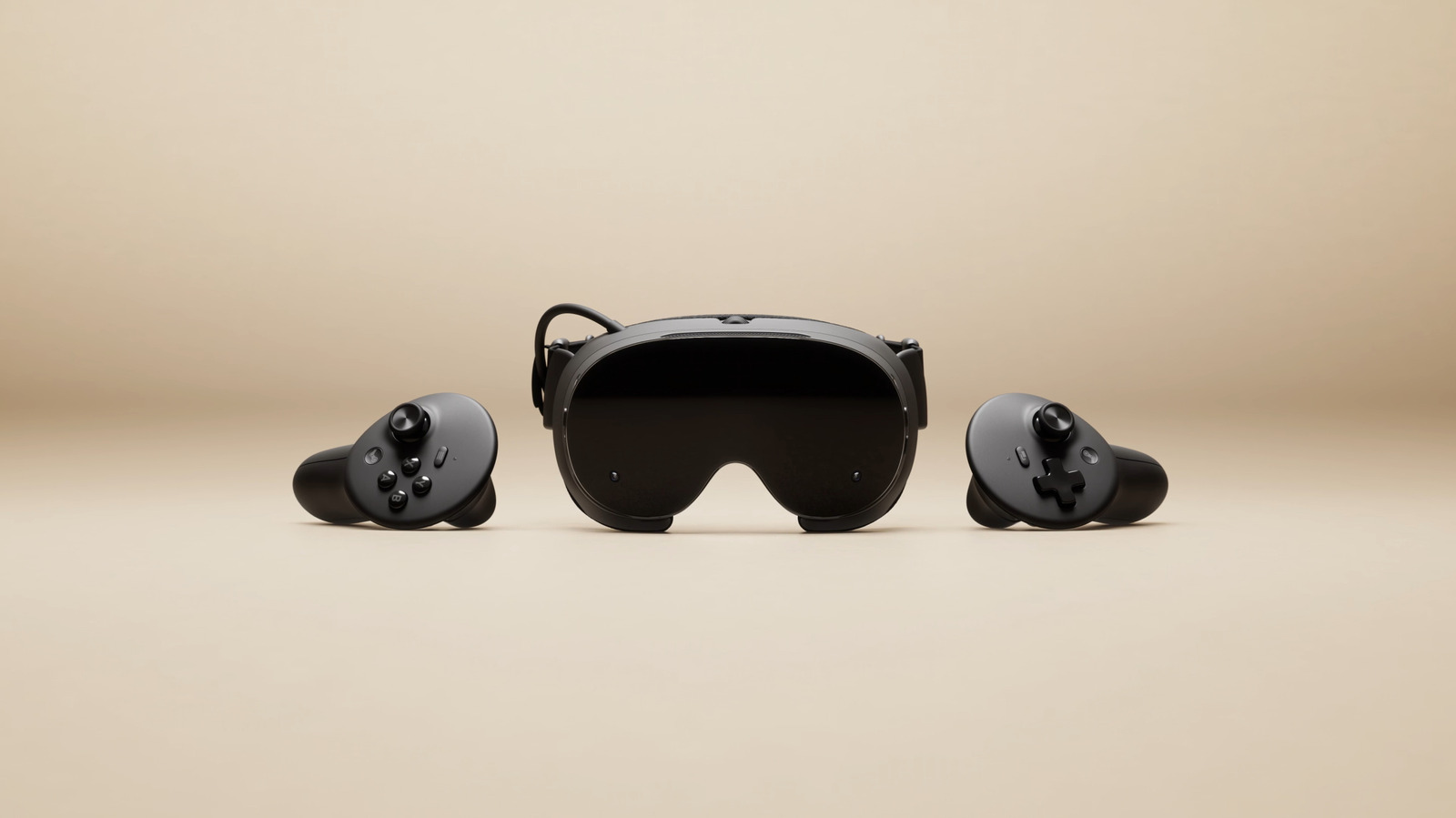
- Vision Pro 2: Low‑latency audio streaming for immersive AR experiences.
- Apple Watch 9: Enhanced fitness tracking using the new motion sensors in the AirPods 5 Pro.
- iOS 18: Expanded “Audio Sharing” capabilities, allowing two users to listen to the same content simultaneously with independent volume controls.
Potential Risks
- Cannibalization – Introducing a lower‑priced AirPods 5 could erode sales of the still‑profitable AirPods 3, unless Apple phases the older model out quickly.
- Consumer Fatigue – Frequent product refreshes risk diminishing perceived value, especially if upgrades feel incremental.
- Regulatory Scrutiny – As Apple expands its ecosystem lock‑in, antitrust watchdogs in the EU and US may intensify investigations into “walled‑garden” practices.
Conclusion
The rumored dual‑launch strategy underscores Apple’s confidence in its audio ecosystem and its desire to cover every price tier without sacrificing the premium experience that defines the brand. By pairing modest hardware refinements with powerful software enhancements, Apple can maintain its market leadership while nudging competitors toward a more integrated, feature‑rich future.
Whether the AirPods 5 will truly redefine wireless audio or simply serve as a polished iteration remains to be seen—but the timing, the split‑model approach, and the ecosystem‑first mindset all point to a calculated move designed to keep Apple’s earbud lineup at the forefront of consumer expectations well into the next decade.
Frequently Asked Questions
Q: When exactly will the AirPods 5 be announced?
A: The report cites “next month,” which, given the article’s August 31 2026 timestamp, points to a September 2026 launch event—likely coinciding with Apple’s annual September keynote.
Q: Will the AirPods 5 replace the AirPods 3?
A: Apple typically phases out older models within 12‑18 months of a new release. Expect the AirPods 3 to be discontinued shortly after the AirPods 5 hit the market.
Q: What new features can we realistically expect?
A: Anticipated upgrades include a next‑gen H2‑derived chip, improved drivers, longer battery life, refined spatial audio with dynamic head tracking, and enhanced Find My functionality.
Q: How will pricing compare to current models?
A: Analysts project a $149‑$169 price point for the standard AirPods 5 and $229‑$259 for the AirPods 5 Pro, positioning them slightly below the current AirPods 3 and AirPods Pro 2 price brackets, respectively.
Q: Will Android users be able to use the new AirPods?
A: Yes. While Apple’s advanced features (e.g., seamless device switching, spatial audio with head tracking) remain iOS‑exclusive, the core Bluetooth functionality will work across Android devices.
Q: Are there any new color options?
A: Apple often introduces fresh finishes with major releases. Rumors suggest a matte black “Midnight” and a pastel “Rose” variant could accompany the launch.
Q: How does this affect Apple’s environmental goals?
A: Apple has pledged to use 100 % recycled rare earth elements in its earbuds by 2025. The AirPods 5 line is expected to continue this initiative, featuring a higher proportion of recycled aluminum and plastic.
Source: Original Article