





Design Philosophy Under Ternus
When John Ternus stepped into the Apple CEO role in September, he carried a clear mandate: keep design at the heart of every product. In a recent interview with TIME, Ternus emphasized that design is not a decorative afterthought but a core function that drives user satisfaction. He highlighted the symbiotic relationship between industrial designers and mechanical engineers, noting that both disciplines now share a deep appreciation for each other’s craft. This cross‑disciplinary collaboration is a direct continuation of Apple’s long‑standing “design first” ethos, but Ternus has taken it further by instituting weekly visits to the design studio, ensuring that the creative pulse remains strong.
The CEO’s focus on design is not merely aesthetic. It is a strategic lever that differentiates Apple in a crowded market. By embedding design into the product development lifecycle, Apple can create experiences that feel intuitive, cohesive, and emotionally resonant. Ternus’s approach signals a renewed commitment to the user experience, a factor that has historically been a key driver of brand loyalty.
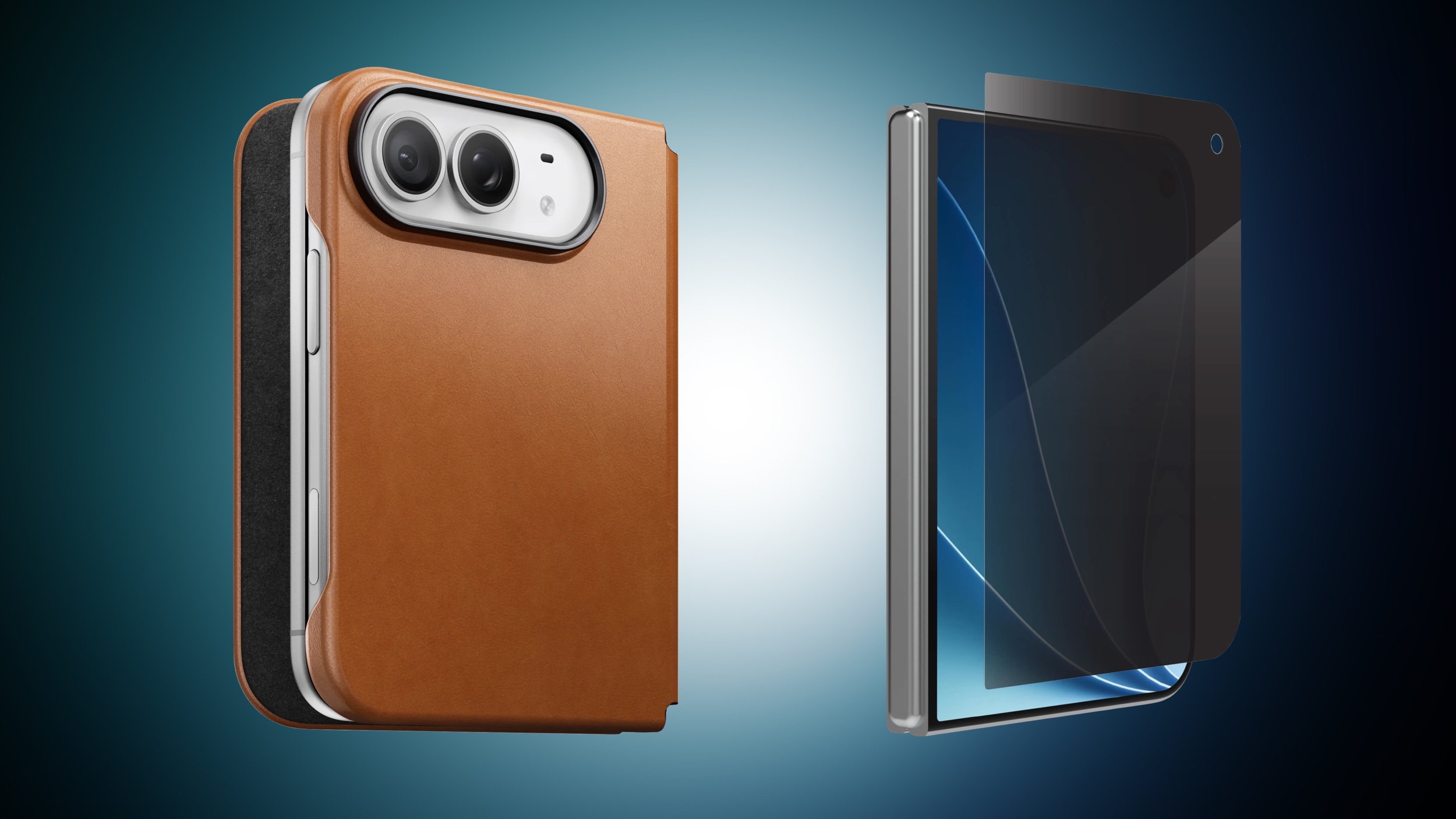
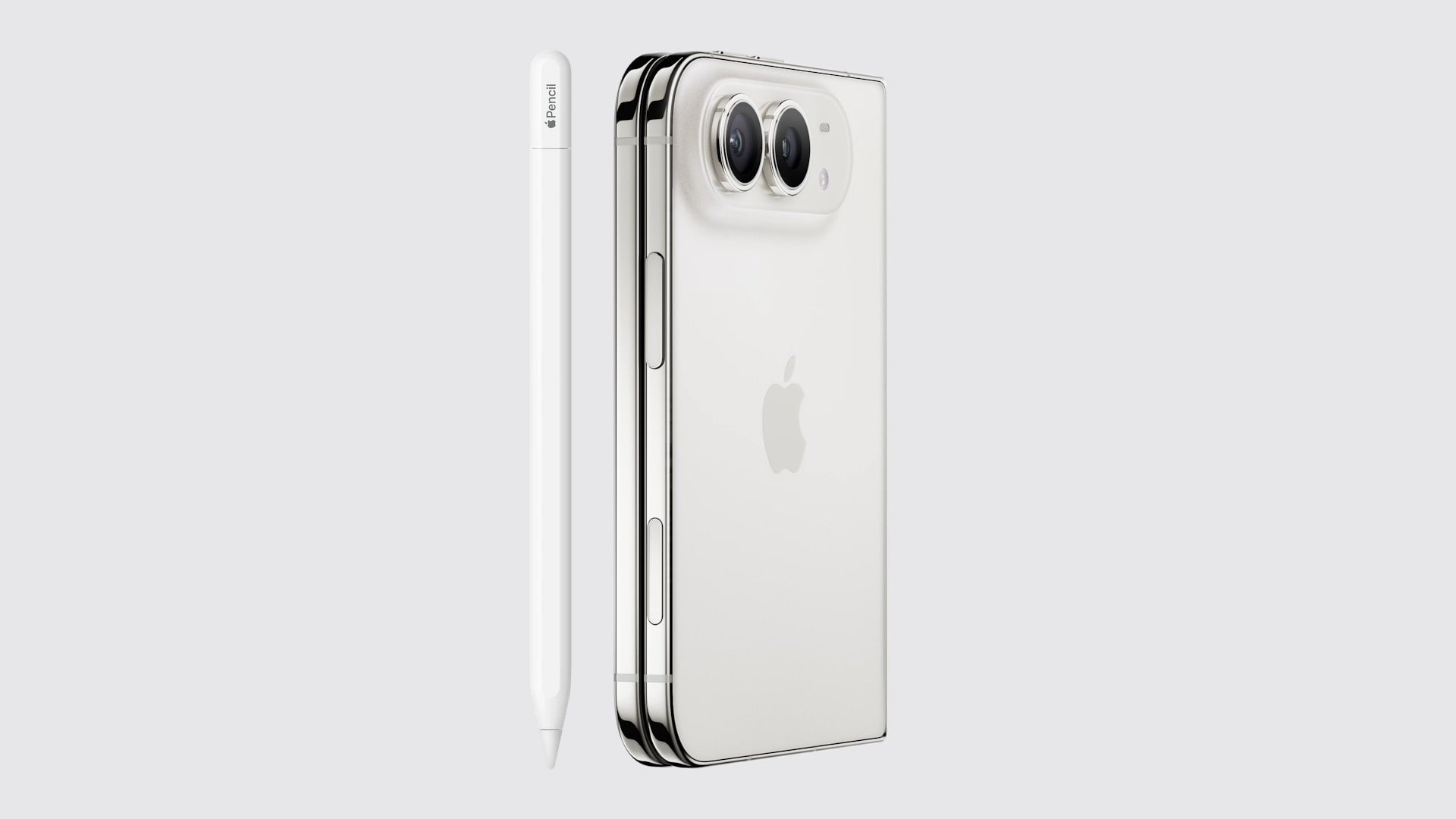
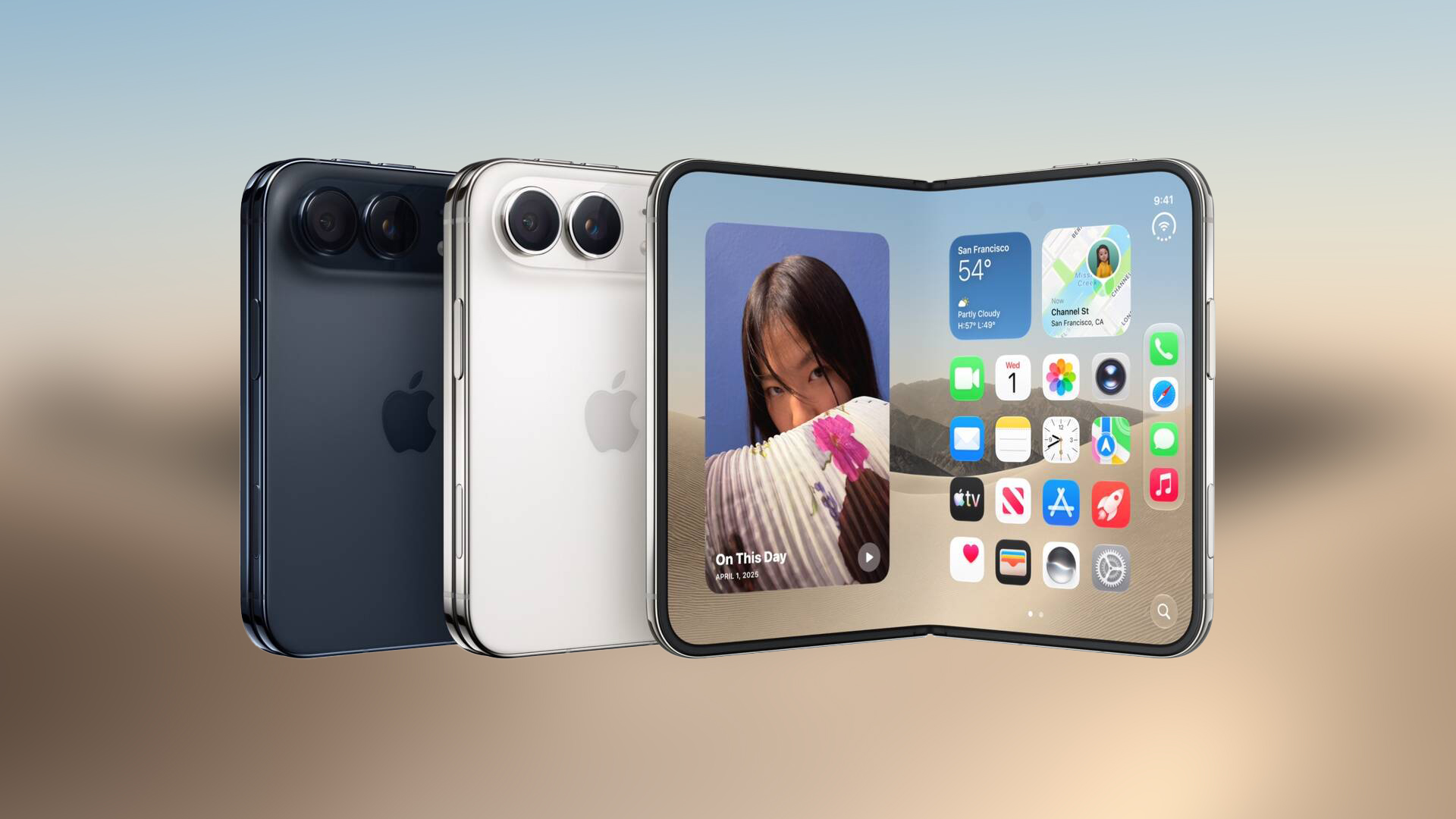
iPhone Duo: Whimsy Meets Function
One of the most talked‑about features introduced under Ternus’s leadership is the iPhone Duo’s inner‑display animation. The animation, described as “whimsical and satisfying,” activates when the inner display opens. While it does not serve a functional purpose beyond delight, it exemplifies Apple’s willingness to inject personality into hardware. The animation is a subtle nod to the company’s heritage of playful touches—think the classic “Hello” screen on early iPhones—while reinforcing the brand’s identity as a maker of emotionally engaging devices.
Kids Cue: A Family‑Friendly Feature
Another highlight is the Kids Cue feature, which displays Peanuts characters such as Snoopy on the outer screen during photo‑taking. This feature is designed to engage children, making the camera experience more enjoyable for younger users. By leveraging beloved cultural icons, Apple taps into a sense of nostalgia and familiarity that can enhance brand affinity among families.
The iPhone Duo’s design choices reflect a broader trend in consumer electronics: the blending of functional hardware with experiential software. While the animation itself is non‑functional, it adds perceived value by making the device feel more alive. This strategy aligns with Apple’s historical pattern of introducing subtle, delightful touches that differentiate its products in subtle but meaningful ways.
AI Integration: Personalization Without Complexity
Ternus also spoke at length about Apple’s approach to artificial intelligence. The company’s AI strategy centers on delivering personalized experiences that are powered by user data but remain invisible to the end user. The goal is to improve existing products and enable new ones without requiring users to understand the underlying AI mechanisms.
Key Pillars of Apple’s AI Vision
- Data‑Driven Personalization: AI models analyze patterns in user behavior to tailor content, suggestions, and settings.
- Privacy‑First Architecture: All processing occurs on-device whenever possible, ensuring that personal data never leaves the device without explicit user consent.
- Seamless Integration: AI features are woven into the user interface so that they feel like natural extensions of the device rather than add‑ons.
Apple’s emphasis on privacy is particularly noteworthy. In an era where data breaches and misuse are rampant, Apple’s commitment to on‑device processing and user control sets a high bar for the industry. This approach not only protects users but also builds trust, a critical asset for a brand that thrives on customer loyalty.
Updated Parental Controls and Family Features
While the interview did not delve deeply into specifics, Ternus mentioned that Apple is rolling out updated parental controls as part of its broader product updates. These controls are expected to provide parents with more granular oversight over device usage, content access, and app permissions. The move is timely, given the increasing scrutiny over children’s digital consumption and the growing demand for robust family‑friendly tools.
The integration of parental controls dovetails with the Kids Cue feature, creating a cohesive ecosystem that supports families from the moment a child takes a photo to the point where parents can monitor usage patterns. By bundling these features, Apple positions itself as a responsible partner in the digital lives of younger users.
Industry Impact and Competitive Landscape
Apple’s design‑centric approach under Ternus has ripple effects across the mobile industry. Competitors are forced to reassess their own design philosophies, especially as they grapple with the balance between functionality and emotional engagement.
Competitive Responses
- Samsung and Google: Both companies have begun to incorporate more playful animations and family‑friendly features in their flagship devices, acknowledging the emotional value Apple has long cultivated.
- Emerging Brands: New entrants in the smartphone market are increasingly focusing on design differentiation, offering unique hardware aesthetics and user‑centric software experiences.
Apple’s emphasis on AI privacy also sets a benchmark. While many competitors rely on cloud‑based AI that raises privacy concerns, Apple’s on‑device processing model offers a compelling alternative that could influence industry standards.
Market Positioning
Apple’s strategy reinforces its premium positioning. By delivering a product that feels both sophisticated and emotionally resonant, the company can command higher price points and maintain a loyal customer base. The iPhone Duo’s whimsical features, coupled with robust AI and parental controls, create a holistic experience that is difficult for competitors to replicate without significant investment.
Future Outlook and Strategic Implications
Looking ahead, Ternus’s vision suggests several potential trajectories for Apple’s product roadmap:
- Expanded AI‑Powered Services: Building on the current AI framework, Apple may introduce new services that leverage on‑device intelligence, such as predictive health monitoring or advanced photo editing.
- Deeper Family Ecosystem: With updated parental controls and family‑friendly features, Apple could develop a dedicated family hub that integrates devices, services, and content management.
- Design‑Driven Hardware Innovations: The success of the iPhone Duo’s inner‑display animation may inspire further hardware experiments, such as modular displays or interactive surfaces that respond to user gestures.
These directions align with Apple’s broader strategy of blending hardware, software, and services into a seamless ecosystem. By maintaining a tight focus on design and privacy, Apple can continue to differentiate itself in a market that is increasingly commodified.
FAQ
Q: What is the purpose of the iPhone Duo’s inner‑display animation?
A: It serves as a whimsical, non‑functional touch that enhances the user experience by adding personality to the device.
Q: How does Apple’s AI integration protect user privacy?
A: Apple processes data on the device whenever possible, keeping personal information local and giving users control over data sharing.
Q: Are the updated parental controls fully integrated with iOS?
A: While specifics were not disclosed, Apple plans to embed these controls into the existing iOS framework, offering parents granular oversight.
Q: Will the Kids Cue feature expand beyond the iPhone Duo?
A: Apple has not announced plans for broader deployment, but the feature demonstrates a commitment to family‑friendly design that could be extended to other devices.
Q: How does Apple’s design philosophy differ from competitors?
A: Apple emphasizes cross‑disciplinary collaboration between designers and engineers, ensuring that every product feels cohesive and emotionally engaging.
Conclusion
John Ternus’s tenure as Apple CEO has already begun to reshape the company’s product narrative. By placing design at the core, integrating AI in a privacy‑first manner, and adding playful, family‑friendly features, Apple is reinforcing its premium brand identity while staying ahead of industry trends. The iPhone Duo’s whimsical touches and the promise of robust parental controls signal a future where technology feels both powerful and personable. As competitors scramble to keep pace, Apple’s commitment to design excellence and user privacy will likely remain a defining factor in its continued success.
Source: Original Article