





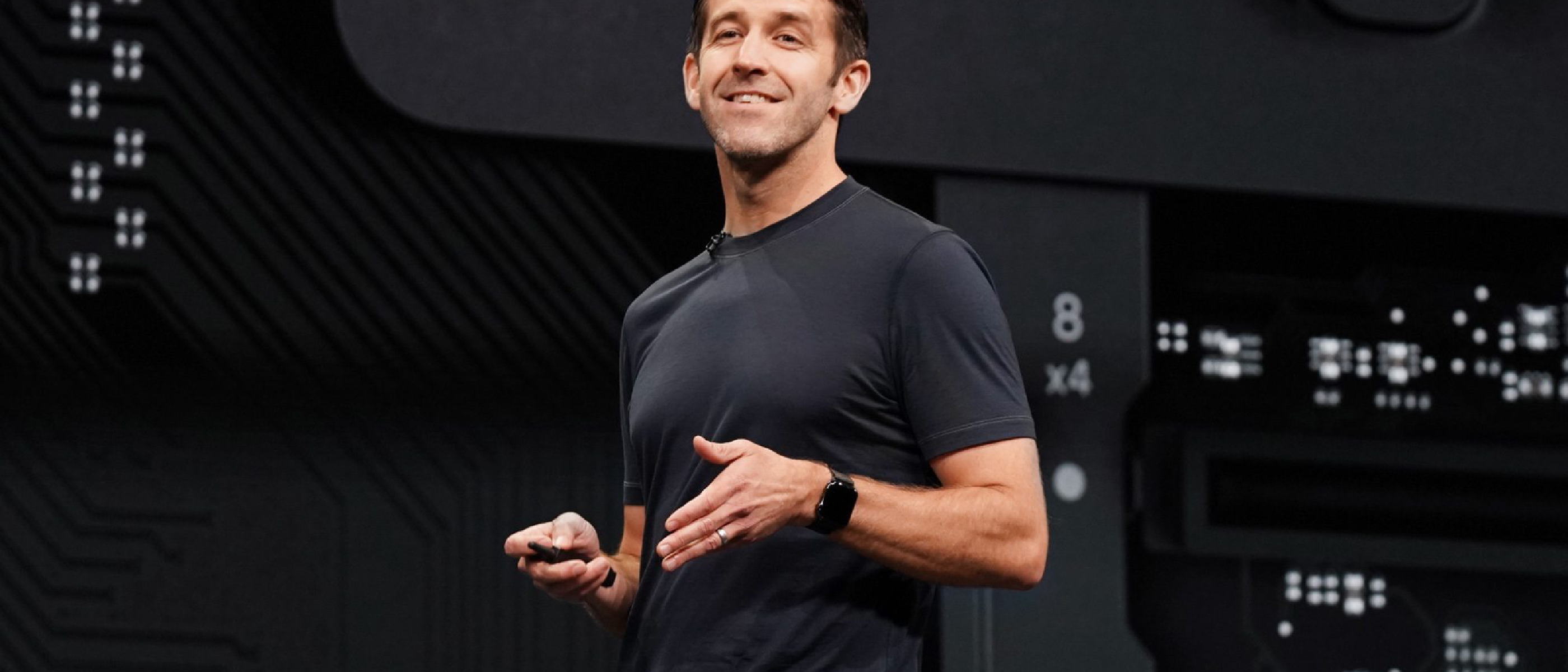
Overview of Apple’s Latest Quarterly Results
Apple’s most recent earnings release broke its own revenue record, driven primarily by strong demand for the iPhone 15 series, continued growth in Services, and a rebound in Mac sales after the transition to Apple‑silicon. The headline numbers impressed most market observers, but the narrative shifted once the company disclosed its outlook for the upcoming quarter.
Key take‑aways from the call:
- Revenue: All‑time high, surpassing analysts’ consensus.
- Services: Double‑digit growth, reinforcing Apple’s shift toward higher‑margin software.
- Hardware: Solid iPhone performance, modest Mac and iPad contributions.
- Guidance: A conservative stance on gross margin expansion, citing supply‑chain constraints and pricing pressure.
While the top‑line figures were celebrated, the cautious tone on margins sparked a wave of criticism, especially from Bloomberg, which labeled the performance “timid” and the presentation “scripted.” The reaction underscores a broader investor focus: profitability and cash‑flow generation often outweigh sheer scale.
Margin Guidance and Its Technical Implications
Apple’s gross margin is a critical metric because it reflects the company’s ability to convert revenue into profit after accounting for component costs, manufacturing, and logistics. Historically, Apple has maintained a gross margin in the high‑30% range, buoyed by premium pricing and a tightly controlled supply chain.
Why Margin Guidance Matters
- Investor Valuation: Analysts model future cash flows using margin assumptions; a downgrade can compress price targets.
- R&D Funding: Higher margins free up capital for research into next‑generation silicon, AR/VR, and health sensors.
- Supply‑Chain Leverage: Strong margins give Apple bargaining power with suppliers like Foxconn and TSMC.
Technical Factors Influencing Margins
- Component Pricing: The A‑17 Bionic chip, built on TSMC’s 3nm process, carries a higher per‑unit cost than the previous generation, temporarily squeezing margins.
- Currency Fluctuations: A stronger US dollar reduces overseas revenue when translated back, affecting reported margins.
- Product Mix Shifts: An increased proportion of lower‑priced iPhone 15 models can dilute overall margin if not offset by services revenue.
- Logistics and Tariffs: Ongoing geopolitical tensions have raised freight costs and introduced tariff uncertainties in key markets.
Apple’s guidance hinted at “steady” margin performance rather than the “double‑digit” expansion some investors hoped for. The company cited “cautious” pricing strategies to stay competitive in emerging markets, a move that, while potentially expanding market share, can erode short‑term profitability.
CEO John Ternus: Leadership Style and Investor Perception
John Ternus stepped into the CEO role after Tim Cook’s long tenure, inheriting a company at the apex of its ecosystem. The earnings call was his first major public appearance as chief executive, and the scripted nature of the presentation drew sharp commentary.
Perceived Scripted Approach
- Prepared Remarks: Analysts noted that many answers were pre‑written, lacking the spontaneity expected from a new leader.
- Limited Forward‑Looking Insight: Ternus avoided deep dives into upcoming hardware roadmaps, focusing instead on quarterly metrics.
- Media Narrative: Bloomberg’s description of the call as “timid” amplified concerns that Apple may be playing it safe rather than leading innovation.
Impact on Investor Confidence
- Leadership Transition Risk: Markets often penalize perceived uncertainty during CEO changes, especially when the predecessor was a trusted figure.
- Communication Style: A more dynamic, Q&A‑driven approach could reassure investors that the new CEO has a clear vision for growth beyond the current quarter.
Despite the criticism, Ternus’s background as head of hardware engineering suggests a deep technical understanding that could translate into future product breakthroughs. The challenge will be balancing transparent communication with the need to protect strategic secrets.
Market Reaction and Industry Impact
The immediate market response was muted. Apple’s stock opened slightly lower, and analysts revised earnings‑per‑share (EPS) forecasts downward by an average of 2‑3%. The broader tech sector felt a ripple effect, particularly companies that rely on Apple’s ecosystem.
Ripple Effects Across the Ecosystem
- App Developers: Services growth remains a bright spot, encouraging developers to invest in Apple‑only platforms.
- Component Suppliers: TSMC and Broadcom watch Apple’s margin guidance closely; any sign of cost pressure can influence their own pricing strategies.
- Competitors: Samsung and Google may interpret Apple’s cautious pricing as an opening to push premium devices with higher margins.
Related Technical Content
- Mac Security: Apple’s emphasis on services includes a push for stronger security tools. For deeper insight, see our coverage of Mac Antivirus Intego One.
- Hardware Interfaces: The iPhone 15’s USB‑C transition continues to shape accessory markets. Our analysis of USB‑C on Your Phone provides context on how Apple’s hardware decisions affect margins.
- Security Landscape: Apple’s ecosystem is a frequent target for sophisticated exploits. Review our piece on the Zoom Zero‑Day Exploit for parallels in how security incidents can sway investor sentiment.
Future Outlook and Strategic Considerations
Looking ahead, Apple’s ability to navigate margin pressure while sustaining growth will hinge on several strategic levers.
Potential Growth Drivers
- Services Expansion: Subscription bundles (Apple TV+, Fitness+, iCloud) offer high‑margin recurring revenue.
- AR/VR Platform: The rumored Apple Vision Pro could open a new hardware category with premium pricing.
- Health Tech: Apple Watch’s health sensors and the emerging Health Kit ecosystem present both data‑driven revenue and brand differentiation.
Risks to Monitor
- Supply‑Chain Volatility: Any disruption at TSMC or component shortages could further compress margins.
- Regulatory Scrutiny: Ongoing antitrust investigations in the EU and US may limit Apple’s ability to monetize its App Store ecosystem.
- Consumer Sentiment: If pricing becomes too aggressive, Apple could lose its premium perception, eroding brand equity.
Investors will likely watch the next earnings call for clearer guidance on how Ternus plans to balance aggressive growth initiatives with the disciplined margin management that has historically underpinned Apple’s valuation.
Frequently Asked Questions
Q1: Why did Apple’s stock dip despite record revenue? A: Investors prioritize profitability. The cautious margin guidance signaled slower earnings acceleration, prompting a modest sell‑off.
Q2: Is the “scripted” earnings call a red flag for future performance? A: Not necessarily. It reflects a transition period under a new CEO. Over time, communication style may evolve as Ternus settles into the role.
Q3: How do Apple’s margins compare to other tech giants? A: Apple’s gross margins typically sit in the high‑30% range, higher than many hardware‑focused firms but comparable to other premium consumer brands.
Q4: Will the shift to USB‑C affect Apple’s profitability? A: The transition may increase accessory costs for consumers, but it also opens licensing opportunities for third‑party manufacturers, potentially offsetting margin impacts.
Q5: What should investors watch for in the next quarter? A: Key indicators include Services revenue growth, any announced pricing changes for new hardware, and updates on supply‑chain stability.
Apple’s record earnings demonstrate the company’s resilience, yet the cautious margin outlook and the perception of a scripted leadership debut have introduced uncertainty. How John Ternus navigates these challenges—balancing transparent communication, strategic pricing, and innovation—will be pivotal for Apple’s next growth chapter.
Source: Original Article