




The Leak That Set the Tech Community Buzzing
On August 22, a video embedded in the macOS Tahoe 26.7 release candidate surfaced on X (formerly Twitter). The clip, posted by user @aaronp613, showed a pair of AirPods—identified by the internal codename B790—with a tiny, hidden camera feeding live imagery to Siri. The demonstration highlighted a new Siri capability dubbed Visual Intelligence, where the assistant can describe objects, remember items, and even save visual references on command.
The leak was not a planned marketing tease; it appears to be an accidental inclusion in the macOS RC build. Engadget and MacRumors were the first outlets to publish the video, and Bloomberg’s Mark Gurman had previously hinted at a camera‑enabled AirPods model in May 2026. The timing aligns with Apple’s upcoming iPhone 18 event, leading many analysts to predict an official announcement within weeks.
Technical Breakdown: How Camera‑Equipped AirPods Might Work
Form Factor and Hardware Integration
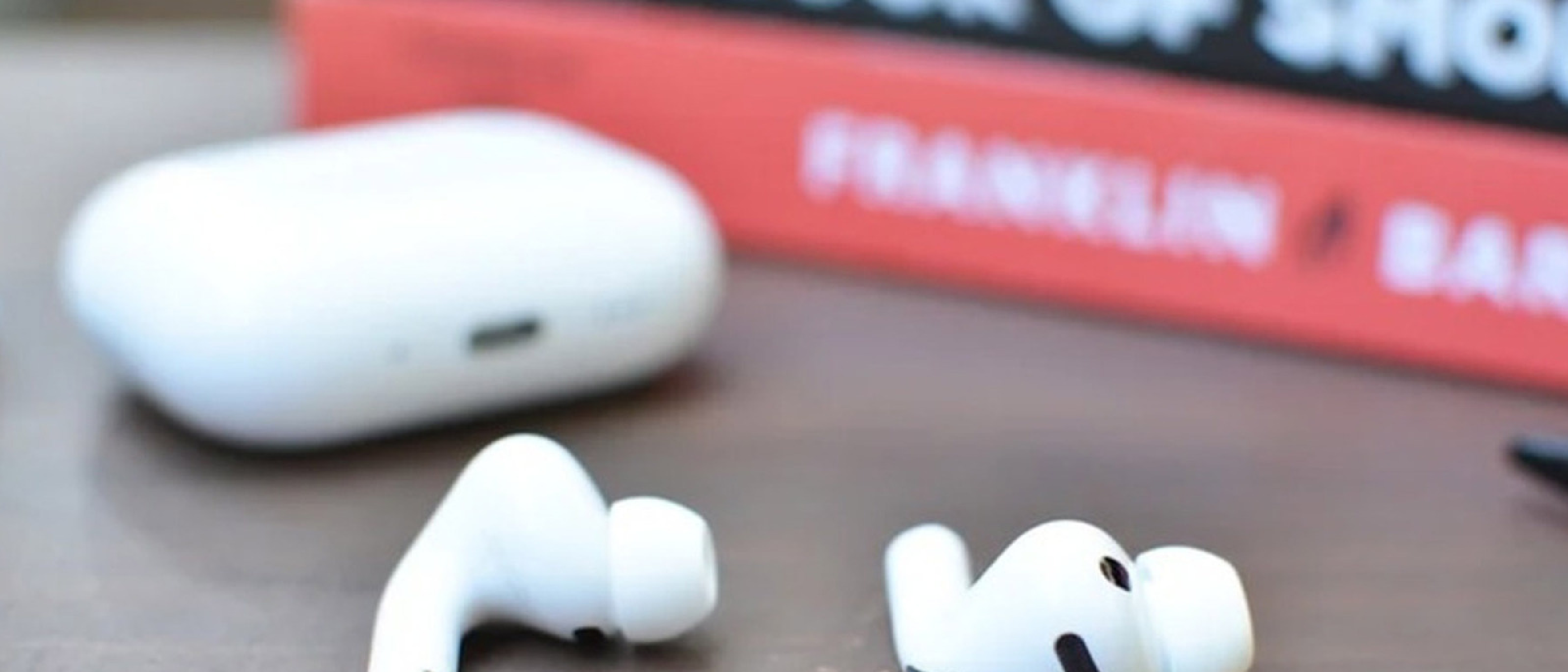
- Design: The leaked prototype retains the familiar AirPods Pro silhouette but features a slightly thicker stem to house the camera module. No visible lens is present; the sensor is likely a miniature, wide‑angle unit positioned behind the stem’s outer shell.
- Camera Specs: While Apple has not disclosed resolution, the demo shows low‑resolution frames—sufficient for object recognition but not high‑fidelity video. This suggests a sensor comparable to those used in the iPhone
’s ultra-wide camera, optimized for computational photography rather than traditional imaging.
Visual Intelligence: Siri’s New Eyes
The core innovation lies in Visual Intelligence, a framework that processes camera data in real time to enable contextual awareness. The leaked demo showcases a user browsing a bookstore, asking Siri to “remember the book he’s currently checking out.” Siri responds with a natural-language description, tagging the book’s cover and storing it in a dedicated “Visual Memory” section of the Photos app or a new system-level feature.
Key capabilities teased in the leak include:
- Object Recognition: Identifying products, landmarks, or text (e.g., reading a menu or translating signs).
- Contextual Reminders: Saving visual references for later (e.g., “Remember this wine label for my next grocery trip”).
- Accessibility Enhancements: Describing surroundings for visually impaired users, similar to Google’s Lookout app but integrated into a wearable.
- Privacy-Preserving Processing: Apple’s on-device AI (likely powered by the M-series chips in paired iPhones) ensures imagery isn’t uploaded to the cloud unless explicitly saved.
Privacy Concerns and Safeguards
The inclusion of cameras in earbuds—even low-resolution ones—has ignited debates about surveillance capitalism and unintended recording. Apple’s approach appears to prioritize transparency:
- Active Camera Indicator: Gurman’s May report suggested a green LED (similar to the iPhone’s Face ID dot) to signal when the camera is capturing.
- Opt-In Functionality: Visual Intelligence may require explicit user permission per session, akin to microphone access.
- Data Minimization: The low-res sensor limits the risk of high-fidelity spying, though critics argue any camera in a wearable is a step toward normalization of always-on recording.
Security researchers have already raised concerns about potential exploits, such as malware hijacking the camera feed or third-party apps accessing Visual Intelligence data. Apple’s walled-garden ecosystem may mitigate some risks, but the precedent sets a new standard for wearable privacy.
Market Implications and Competitive Landscape
Apple’s Strategic Play
The camera-equipped AirPods align with Apple’s broader push into spatial computing and AI-first hardware. By embedding sensors in earbuds—already a ubiquitous accessory—Apple could:
- Expand Siri’s Utility: Move beyond voice commands to multimodal interactions (e.g., “What’s the expiration date on this milk?” while looking at a carton).
- Drive iPhone Upgrades: Pairing the AirPods with an iPhone 18 (expected to feature a periscope lens and on-device AI) could create a seamless ecosystem for visual tasks.
- Monetize New Services: Visual Intelligence could integrate with Apple’s subscription services, such as offering premium object-recognition features or partnerships with retailers.
Competitive Response
Apple’s move is likely to pressure rivals to accelerate their own AI-powered wearables:
- Google: Already offers Lookout and Google Lens in Pixel Buds; a camera-equipped model could be next.
- Meta: Rumored to be developing Ray-Ban Meta smart glasses with improved cameras for AR applications.
- Samsung: May integrate Bixby Vision into Galaxy Buds, though its focus remains on foldables and smartphones.
- Startups: Companies like Humane (with its AI Pin) and Brilliant Labs (AR glasses) could pivot to compete in the wearable camera space.
Potential Challenges and Criticisms
Technical Hurdles
- Battery Life: Adding a camera and AI processing could drain AirPods’ battery faster, requiring larger cases or more efficient chips.
- Heat Dissipation: Continuous camera use may generate heat, potentially causing discomfort during prolonged wear.
- Accuracy: Low-res imagery might struggle with complex scenes (e.g., crowded spaces or low-light environments), limiting real-world utility.
Ethical and Social Concerns
- Normalization of Wearable Cameras: Critics argue that camera-equipped earbuds could erode social norms around privacy, making people more accepting of constant recording.
- Workplace and Public Spaces: Offices, gyms, or restaurants may ban the devices, similar to how some venues prohibit smart glasses today.
- Legal Gray Areas: Laws around audio recording vary by jurisdiction, but video recording is far more restrictive. Apple may need to implement geofencing to disable cameras in sensitive locations.
User Adoption Barriers
- Price: Camera-equipped AirPods could command a premium over the $249 AirPods Pro 2, potentially limiting mass-market appeal.
- Stigma: Some users may resist wearing “spy buds,” associating them with surveillance tech rather than convenience.
- Alternatives: For many, smartphone cameras or smart glasses (like Ray-Ban Meta) may remain more practical for visual tasks.
What’s Next? The Road to Launch
Expected Timeline
- September 2026: Likely announcement at the iPhone 18 event, alongside new Macs and Apple Watch models.
- October 2026: Pre-orders open, with shipments beginning late October or early November.
- 2027: Follow-up model (B798) with improved camera resolution, battery life, and AI features.
Rumored Naming and Pricing
- Name: “AirPods Pro 3 with Visual Intelligence” or “AirPods Vision” (though the latter may conflict with Apple’s AR headset).
- Price: $299–$349, positioning it as a premium alternative to the standard AirPods Pro 2.
- Bundles: Possible iPhone 18 + AirPods Pro 3 trade-in offers to drive adoption.
Unanswered Questions
- Will the camera work independently of an iPhone? Early leaks suggest no—the AirPods may rely on the iPhone’s processor for AI tasks.
- Can third-party apps access Visual Intelligence? Apple’s strict App Store policies may restrict access to first-party apps initially.
- How will Apple address accessibility? The feature could be a game-changer for visually impaired users, but Apple has yet to detail VoiceOver integration or other assistive tools.
Conclusion: A Glimpse into Apple’s AI Future
The accidental leak of camera-equipped AirPods offers a tantalizing preview of Apple’s AI-first hardware strategy. By merging wearable tech with visual intelligence, Apple is betting on a future where Siri becomes an always-available, context-aware assistant—one that sees what you see and remembers what you forget.
Yet, the road ahead is fraught with challenges. Privacy concerns, technical limitations, and social acceptance will determine whether these AirPods become a must-have accessory or a niche experiment. If Apple can navigate these hurdles, the B790 could redefine the role of earbuds in our daily lives—turning them from passive audio devices into active, intelligent companions.
One thing is certain: the debate over wearable cameras is just beginning, and Apple’s accidental leak has given us an early seat at the table.
FAQ
1. When will the camera-equipped AirPods be released?
Apple is expected to announce them at the iPhone 18 event in September 2026, with availability likely in October or November 2026.
2. How much will they cost?
Rumors suggest a price between $299 and $349, making them a premium upgrade over the current AirPods Pro 2.
3. Will the camera record video or take photos?
The leaked demo focuses on real-time object recognition and visual memory rather than traditional photography. However, Apple may introduce limited photo-saving capabilities in future updates.
4. How does Visual Intelligence work?
The AirPods’ camera feeds low-resolution imagery to Siri, which uses on-device AI to identify objects, text, or scenes. Users can ask Siri to save, describe, or act on what they’re seeing.
5. What are the privacy implications?
Apple is expected to include:
- A green LED indicator when the camera is active.
- Opt-in permissions for Visual Intelligence.
- On-device processing to minimize cloud data exposure.
6. Can I disable the camera?
Yes. Apple will likely allow users to toggle Visual Intelligence on/off in settings, and the camera may automatically disable in certain locations (e.g., bathrooms, secure facilities).
7. Will these work with Android or Windows?
No. Like other AirPods, the camera-equipped model will likely require an iPhone for full functionality, including Visual Intelligence.
8. How does this compare to Ray-Ban Meta smart glasses?
- AirPods Pro 3: Focuses on audio-first, AI-assisted visuals with a subtle design.
- Ray-Ban Meta: Prioritizes hands-free photography and AR with a more conspicuous form factor.
9. What’s the battery life like?
Exact specs are unknown, but continuous camera use may reduce battery life compared to standard AirPods. Apple may introduce low-power modes to extend usage.
10. Will there be a non-camera version?
It’s possible. Apple may continue selling the standard AirPods Pro 2 alongside the camera-equipped model to cater to privacy-conscious users.
Source: Original Article