




Why the Mac mini Matters
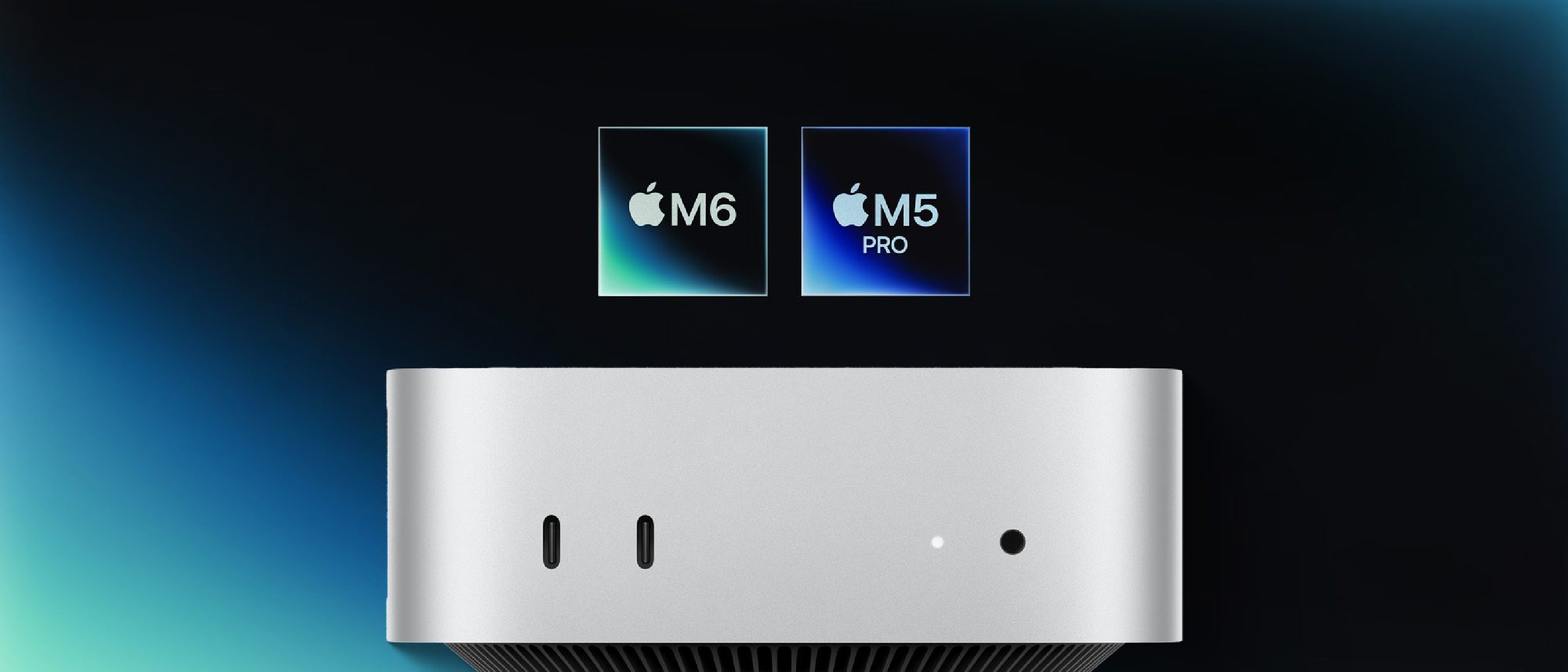
Apple’s Mac mini has long been the company’s answer to the entry‑level desktop market. Since its debut in 2005 as the first sub‑$500 Mac, the device has carved out a niche for developers, creators, and power users who need a compact, cost‑effective machine that still delivers the performance and ecosystem integration Apple is known for. The recent announcement of a refreshed Mac mini signals that Apple continues to view this product line as a strategic platform for both hardware innovation and software development.
The Mac mini’s significance is twofold. First, it offers a low‑barrier entry point into the Apple ecosystem, allowing users to experience macOS, the Apple Silicon architecture, and the unified hardware‑software stack without the premium price tag of a MacBook Pro or Mac Studio. Second, its small form factor makes it an ideal candidate for specialized use cases—home media servers, network appliances, and even as a lightweight workstation for students and freelancers. As such, any update to the Mac mini can ripple across a wide spectrum of users and industries.
Industry Impact of the Update
Apple’s refresh of the Mac mini is expected to influence several market segments:
- Competitive Dynamics: The Mac mini competes directly with low‑cost Windows desktops from Dell, HP, and Lenovo. A new Apple Silicon iteration would reinforce Apple’s position as a leader in silicon‑centric performance, potentially prompting competitors to accelerate their own silicon transitions.
- Developer Ecosystem: Developers who rely on macOS for Xcode, Swift, and other Apple‑centric tools often use the Mac mini as a cost‑effective build server or continuous integration machine. A performance boost or new port configuration could streamline workflows and reduce infrastructure costs.
- Content Creation: Creators who use the Mac mini for video editing, audio production, or 3D rendering benefit from the tight integration between hardware and software. An updated chip or expanded GPU capabilities could lower the barrier for entry into high‑end content creation pipelines.
- Enterprise Adoption: Small and medium‑sized businesses that require a compact, secure, and low‑maintenance desktop may find the refreshed Mac mini an attractive option, especially if Apple continues to emphasize security features such as the Secure Enclave and hardware‑based encryption.
The ripple effect extends to peripheral manufacturers as well. For instance, the recent release of Apple’s $9 Polishing Cloth—designed to keep Apple devices pristine—has already seen widespread adoption among Mac mini owners. The cloth’s affordability and effectiveness make it a staple accessory for maintaining the device’s aesthetic and thermal performance. Apple’s $9 Polishing Cloth: Design, Pricing, and Impact explores how such accessories contribute to the overall user experience.
Technical Breakdown of the Current Mac mini Lineup
While the announcement did not disclose specific hardware details, we can outline the key components that define the current Mac mini generation and consider how a refresh might align with Apple’s broader silicon strategy.
Processor and Performance
The latest Mac mini models ship with Apple’s M2 or M2‑Pro chips, depending on the configuration. These chips feature:
- CPU: Up to 10‑core performance and 4‑core efficiency cores, delivering a balanced mix of speed and power efficiency.
- GPU: Integrated 10‑core or 16‑core GPU options, providing solid graphics performance for moderate workloads.
- Unified Memory: 8 GB to 32 GB of high‑bandwidth unified memory, with a maximum of 64 GB in the Pro variant.
A refreshed Mac mini could introduce a newer iteration of the M‑series, potentially offering higher core counts or improved GPU performance while maintaining the same power envelope.
Memory and Storage
The device supports DDR5 memory and PCIe 4.0 SSDs, with storage options ranging from 256 GB to 4 TB. The M2‑Pro variant adds support for up to 32 GB of memory, which is beneficial for memory‑intensive tasks such as video editing or virtualization.
Connectivity
Key ports include:
- USB‑C: Two Thunderbolt 4/USB‑4 ports for high‑speed data transfer and external display support.
- USB‑A: One 3.5 mm headphone jack and a USB‑A port for legacy peripherals.
- Ethernet: Gigabit Ethernet, with an optional 10‑GbE adapter available via the Thunderbolt port.
- Audio: 3.5 mm headphone jack and a built‑in microphone.
Future revisions may expand the number of Thunderbolt ports or introduce Wi‑Fi 6E for faster wireless connectivity.
Software and Ecosystem
Running macOS Ventura (or later), the Mac mini benefits from Apple’s unified software stack, including:
- Apple Silicon Optimization: Native support for the ARM architecture, ensuring smooth performance across all macOS applications.
- Security Features: Secure Boot, hardware‑based encryption, and the Secure Enclave for key management.
- Developer Tools: Xcode, SwiftUI, and other Apple‑centric development environments.
The Mac mini’s role as a development machine is further highlighted by its compatibility with the latest Apple Silicon‑based tools and frameworks.
Future Outlook and Developer Implications
Potential Silicon Evolution
Apple’s silicon roadmap has historically followed a pattern of incremental performance gains coupled with power efficiency improvements. A refreshed Mac mini could see:
- Higher Core Counts: An M3 or M3‑Pro chip with more CPU and GPU cores, enabling faster rendering and multitasking.
- Enhanced Neural Engine: A more powerful neural engine for machine learning workloads, benefiting developers building AI‑driven applications.
- Improved Thermal Design: Optimized heat dissipation to maintain performance under sustained loads.
These changes would reinforce the Mac mini’s position as a versatile platform for both everyday users and professionals.
Impact on Development Workflows
Developers who rely on the Mac mini for continuous integration (CI) or build servers would benefit from:
- Reduced Build Times: Faster CPU and GPU performance can cut down compilation and rendering times.
- Lower Power Consumption: Improved efficiency translates to lower operating costs, especially for data centers or shared development environments.
- Enhanced Compatibility: A newer silicon chip ensures compatibility with the latest Xcode releases and macOS updates, reducing the risk of deprecated APIs.
Accessibility and Inclusivity
Apple’s commitment to accessibility is evident in its design philosophy. The Mac mini’s compact form factor and robust hardware make it an ideal platform for accessibility tools. For example, the Apple’s 50 Ways to Make Devices Age Friendly Seniors article discusses how hardware and software can be tailored for older users. A refreshed Mac mini could incorporate additional accessibility features, such as improved VoiceOver performance or better support for external assistive devices.
Security Considerations
Security remains a cornerstone of Apple’s hardware strategy. The Mac mini’s Secure Enclave and hardware‑based encryption provide robust protection against data breaches. However, as threats evolve, developers and system administrators may need to stay vigilant. The Mac Antivirus Intego One article highlights the importance of layered security, even on Apple devices. A refreshed Mac mini could incorporate additional security features, such as hardware‑accelerated sandboxing or enhanced firmware protection.
FAQ
Q: When will the updated Mac mini be available?
A: Apple has not yet announced a release date. Historically, Apple releases new Mac mini models in late summer or early fall, but this can vary.
Q: Will the new Mac mini support the same ports as the current model?
A: While Apple typically retains core port functionality, future revisions may add or modify ports to support emerging standards such as Wi‑Fi 6E or additional Thunderbolt connections.
Q: Is the Mac mini still a good choice for developers?
A: Absolutely. Its low cost, compact size, and integration with macOS make it a popular choice for build servers, CI pipelines, and lightweight development workstations.
Q: Will the Mac mini be compatible with the latest macOS releases?
A: Apple ensures backward compatibility for several years. A refreshed Mac mini will likely support the latest macOS version at launch and receive updates for at least five years.
Q: How does the Mac mini compare to the new Mac Studio?
A: The Mac Studio offers higher performance with more powerful chips and additional ports, targeting professional creators. The Mac mini remains a more affordable, space‑saving option for general use and development.
Conclusion
Apple’s announcement of an updated Mac mini underscores the company’s ongoing commitment to delivering powerful, affordable, and secure desktop solutions. While specific details remain scarce, the implications for developers, creators, and the broader PC market are clear: a refreshed Mac mini will likely bring incremental silicon improvements, enhanced connectivity, and continued integration with Apple’s ecosystem. As the industry watches, the Mac mini’s evolution will remain a bellwether for Apple’s strategy in the compact desktop segment.
Source: Original Article