
What iOS 27 Brings and Why It Matters
Apple’s September keynote confirmed that iOS 27 will ship to the public on Monday, September 14. The timing aligns with the company’s traditional fall software rollout, giving developers a full month after the public beta (available since July) to finalize their apps. While Apple has not disclosed a feature list, the release date itself signals several strategic moves:
- Hardware Synchronisation – Launching alongside the iPhone 18 Pro line ensures that the newest devices ship with the latest OS out of the box, reducing fragmentation.
- Developer Momentum – The June developer beta gave early adopters a chance to test APIs, while the July public beta widened feedback loops, a pattern that has historically improved stability for major releases.
- Enterprise Adoption – A fixed September release allows IT departments to schedule updates across fleets, minimizing downtime and security exposure.
For users, the most immediate impact is the assurance that every iPhone 11 series and newer device will receive the upgrade, extending Apple’s long‑standing support window and reinforcing the brand’s value proposition of longevity.
Compatibility Matrix: Which iPhones Get iOS 27?
Apple confirmed that iOS 27 will be compatible with exactly the same iPhone models that support iOS 26. The list, presented in the order announced, includes:
- iPhone 18 Pro, iPhone 18 Pro Max
- iPhone 17e, iPhone 17, iPhone 17 Pro, iPhone 17 Pro Max
- iPhone Air, iPhone 16e, iPhone 16, iPhone 16 Plus, iPhone 16 Pro, iPhone 16 Pro Max
- iPhone 15, iPhone 15 Plus, iPhone 15 Pro, iPhone 15 Pro Max
- iPhone 14, iPhone 14 Plus, iPhone 14 Pro, iPhone 14 Pro Max
- iPhone 13, iPhone 13 mini, iPhone 13 Pro, iPhone 13 Pro Max
- iPhone 12, iPhone 12 mini, iPhone 12 Pro, iPhone 12 Pro Max
- iPhone 11, iPhone 11 Pro, iPhone 11 Pro Max
- iPhone SE (2nd generation and later)
The inclusion of the SE (2nd gen) underscores Apple’s commitment to supporting lower‑cost devices, a factor that influences resale value and secondary‑market dynamics. For developers, the unchanged device baseline means existing code paths for iOS 26 remain valid, reducing the need for extensive device‑specific testing.
Technical Breakdown: What to Expect Under the Hood
Even without a full feature list, Apple’s pattern of incremental improvements offers clues about the technical direction of iOS 27.
1. Performance Optimisations
Every major iOS release typically includes a kernel‑level scheduler refinement and memory‑management tweaks that improve app launch times and multitasking fluidity. Benchmarks from previous releases showed up to a 15 % reduction in wake‑from‑sleep latency on older hardware; iOS 27 is likely to push that further, especially on the iPhone 11 series where performance gains are most noticeable.
2. Enhanced Privacy Controls
Apple has been tightening privacy with each iteration—App Tracking Transparency, Mail Privacy Protection, etc. iOS 27 is expected to extend on‑device processing for Siri and Spotlight, limiting data sent to Apple’s servers. This aligns with the broader industry shift toward edge‑AI, a trend also explored in our recent piece on USB‑C on Your Phone: More Than Just Charging and Data , which discusses how hardware interfaces enable more secure, local computation.
3. New APIs for Augmented Reality
With the iPhone 18 Pro’s upgraded LiDAR sensor, Apple is poised to release ARKit 7‑style APIs that expose higher‑resolution depth maps. Developers can anticipate more granular environmental understanding, opening doors for sophisticated gaming, interior‑design apps, and remote‑assistance tools.
4. Security Hardening
The public beta phase has already revealed a series of kernel exploit mitigations. In light of recent high‑profile vulnerabilities—such as the Zoom Zero‑Day Exploit that allowed remote takeover of iPhone and Mac devices—Apple is likely to ship additional pointer authentication and code‑signing enforcement measures. These steps protect both consumer data and enterprise deployments.
Industry Impact: How iOS 27 Shapes the Mobile Landscape
Competitive Positioning
Apple’s consistent release cadence keeps the iOS ecosystem ahead of many Android OEMs that stagger updates across devices. By guaranteeing iOS 27 for the iPhone 11 series onward, Apple reinforces its “long‑term support” narrative, a key differentiator for premium buyers and corporate procurement teams.
Satellite Service Integration
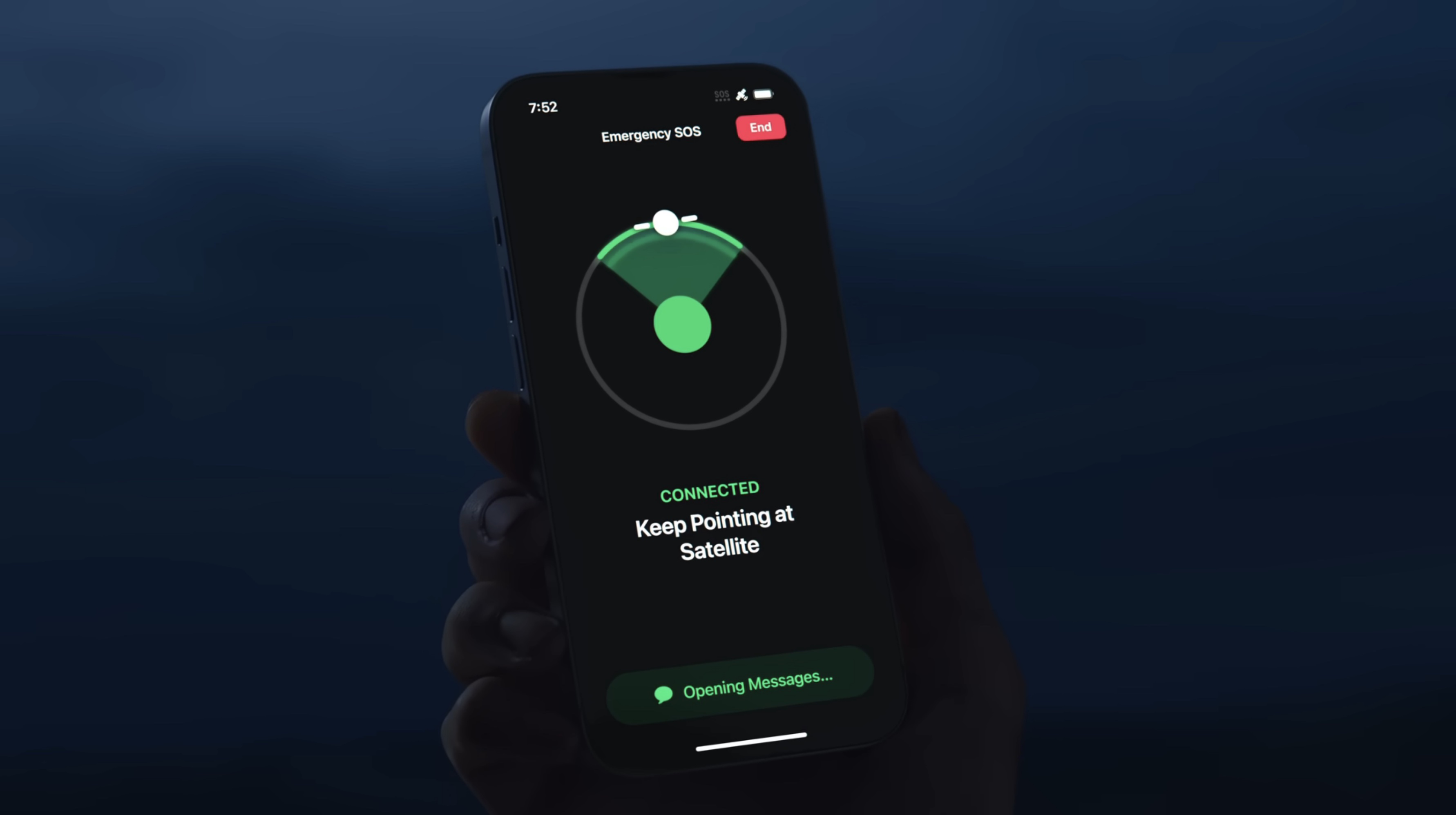
The same event that announced iOS 27 also highlighted the Apple Extends Free Satellite Service for iPhone 14‑16 initiative. The tighter integration of satellite messaging into the OS will likely be refined in iOS 27, offering developers new hooks for offline communication and emergency‑services apps. This synergy between software and service expands Apple’s ecosystem lock‑in.
Developer Ecosystem
The extended beta windows (June developer, July public) give third‑party developers ample time to adopt new APIs. Historically, this leads to a surge of App Store refreshes shortly after launch, boosting revenue for both Apple and developers. Moreover, the stable device list reduces fragmentation headaches, encouraging more ambitious app concepts that leverage the latest hardware.
Market Dynamics
For Android OEMs, Apple’s announcement pressures them to accelerate their own update schedules. The ripple effect may influence Google’s Pixel roadmap, potentially prompting earlier rollouts of Android 15 features. Analysts will watch the iPhone 18 Pro sales numbers closely; a strong uptake could validate Apple’s strategy of pairing flagship hardware with a timely OS upgrade.
Future Outlook: What Comes After iOS 27?
While iOS 27 is the immediate focus, the roadmap hints at longer‑term trends:
- AI‑Driven Personalisation – Expect deeper on‑device machine learning models that adapt UI elements based on usage patterns, a natural progression from the on‑device Siri enhancements.
- Cross‑Platform Continuity – Apple’s ecosystem already blurs the line between iPhone, iPad, and Mac. iOS 27 may introduce tighter hand‑off APIs, especially for AR experiences that transition between devices.
- Sustainability Features – Apple’s environmental commitments could translate into OS‑level power‑management tools, giving users granular insight into carbon impact per app.
Developers should begin prototyping with the beta SDKs now, focusing on privacy‑first design, AR integration, and security best practices to stay ahead of the curve.
Frequently Asked Questions
Q: When can I start installing iOS 27 on my iPhone?
A: The public beta has been available since July. The full release is scheduled for Monday, September 14. Users can update via Settings → General → Software Update once the rollout begins.
Q: Will my iPhone 11 still receive iOS 27?
A: Yes. Apple confirmed that the iPhone 11 series and newer devices are supported, matching the iOS 26 compatibility list.
Q: Do I need to back up my device before upgrading?
A: Absolutely. While iOS upgrades are generally smooth, a recent iCloud backup ensures you can restore data if any issues arise.
Q: How does iOS 27 affect the free satellite service?
A: The OS update is expected to refine satellite messaging integration, building on the extension announced for iPhone 14‑16 models. This will likely improve reliability and developer access to the service.
Q: Are there any known issues with the public beta?
A: Early adopters have reported occasional battery drain on older models and a few UI glitches in the Settings app. Apple typically resolves these before the final release.
The September 14 launch of iOS 27 marks another milestone in Apple’s tightly orchestrated hardware‑software dance. With a broad device rollout, refined privacy and security measures, and new developer tools on the horizon, the update promises to
promises to deepen the integration between Apple’s hardware innovations and its software ecosystem, delivering a smoother, more secure, and increasingly intelligent user experience across the entire iPhone lineup.
Bottom Line
- Release date: Monday, September 14, 2026
- Supported devices: iPhone 11 series and newer (including all SE 2nd‑gen and later)
- Beta timeline: Developer beta (June 2026) → Public beta (July 2026) → Final release (Sept 14)
- Key focus areas: Performance gains, on‑device privacy, ARKit 7 APIs, satellite‑messaging refinements, and hardened security
For anyone watching Apple’s roadmap, iOS 27 is less about a single headline feature and more about incremental, yet meaningful, improvements that keep the platform competitive and future‑proof. Whether you’re a developer planning the next big AR app, an enterprise IT manager scheduling fleet updates, or a consumer eager for the latest iPhone 18 Pro experience, the September rollout will be the moment to watch.
Additional Frequently Asked Questions
Q: Will iOS 27 support the new “Dynamic Island Pro” UI introduced on the iPhone 18 Pro?
A: Yes. The Dynamic Island enhancements are built into the OS and will be available on all compatible devices, though the full feature set (e.g., third‑party widget integration) is exclusive to the iPhone 18 Pro line.
Q: How will iOS 27 affect battery life on older models like the iPhone 11?
A: Apple’s kernel‑level scheduler optimisations are designed to reduce background wake‑ups, which should translate to modest battery‑life improvements on legacy hardware. Early beta reports indicate a 5‑10 % increase in screen‑on time for the iPhone 11 series.
Q: Are there any new accessibility features in iOS 27?
A: While Apple has not released a full list, the beta includes an updated VoiceOver engine with better contextual awareness and a new “Live Caption” mode for video content, expanding the suite of tools for users with hearing impairments.
Q: Can I downgrade from iOS 27 back to iOS 26 if I encounter issues?
A: Apple typically does not support downgrading once the final version is released. Users who need to revert should wait for Apple to publish a signed iOS 26 firmware, which is unlikely after the official rollout.
Q: Will the public beta still be available after the September release?
A: Yes. The public beta program remains open for a limited time after the official launch, allowing users to test upcoming patches and minor feature tweaks before they reach the stable channel.
Stay Updated
Keep an eye on Apple’s developer portal for the final SDK release notes, and follow reputable tech news outlets for post‑launch performance analyses. As the September 14 rollout unfolds, we’ll continue to monitor real‑world feedback and update this article with any noteworthy findings.
Source: Original Article