


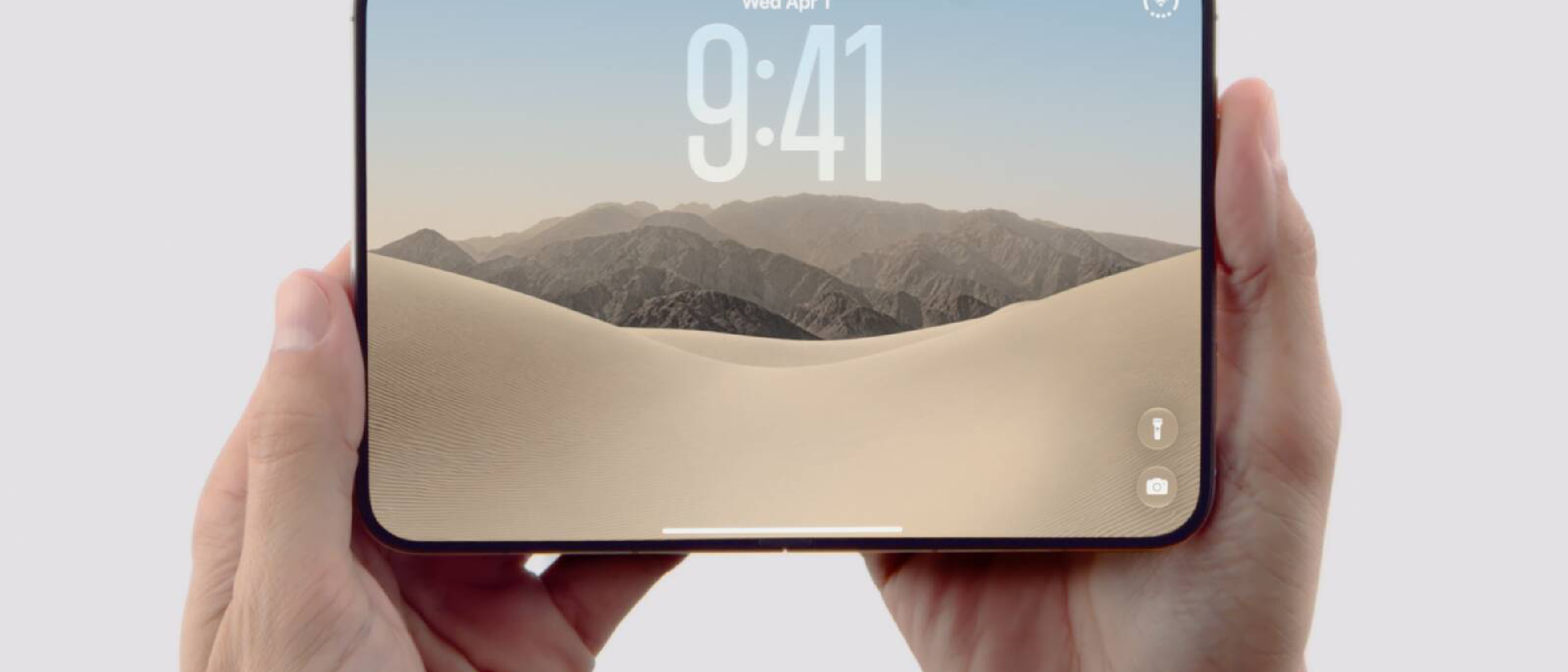
The iPhone Duo Unveiled: A Technical Overview
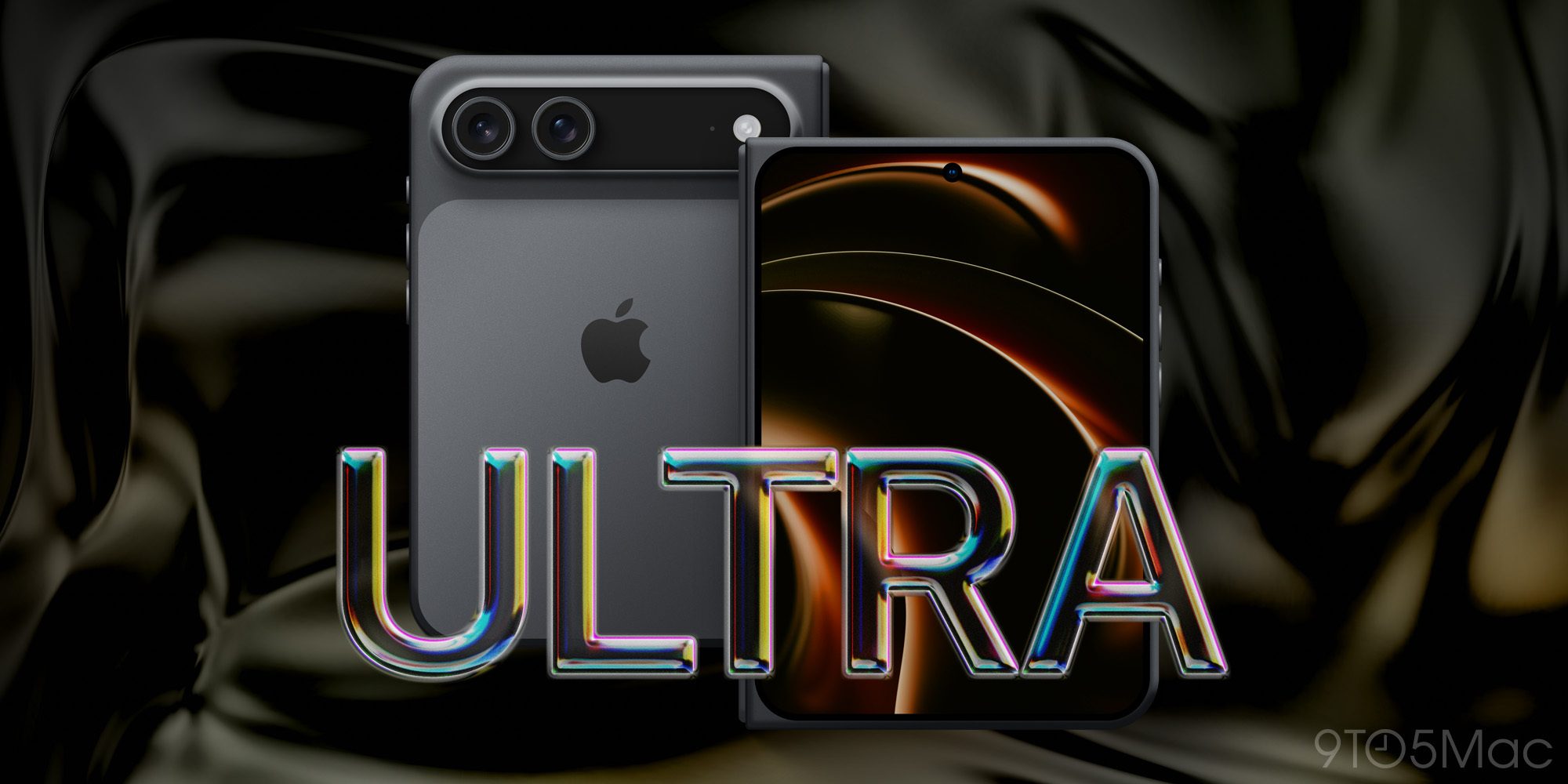
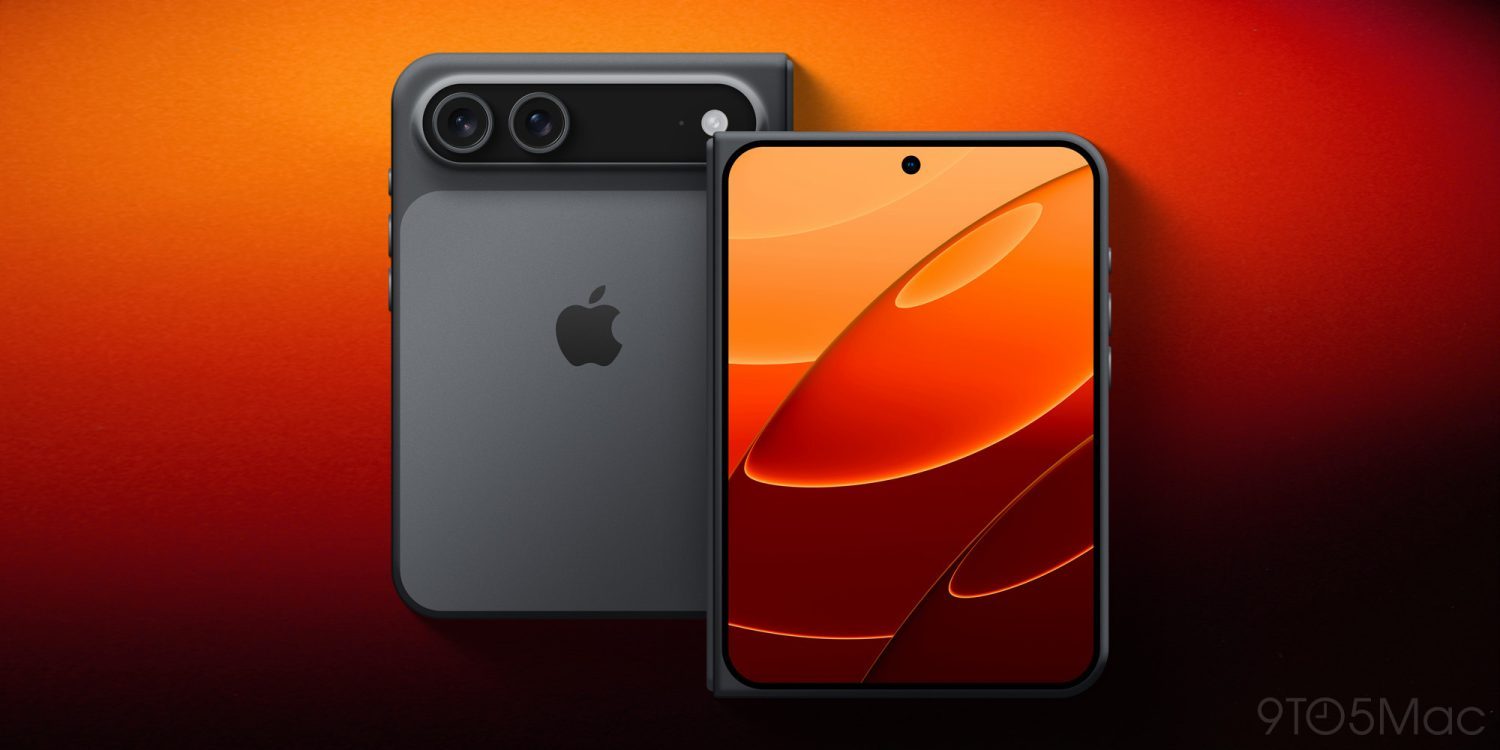
Apple’s latest press event concluded with a bold statement: “Apple today announced the ‘i Phone Duo,’” a device that combines two distinct displays—an outer static screen and an inner flexible panel that folds like a passport. The Duo is the first iPhone to feature a foldable inner display, and its form factor has been described by Apple as a “wide‑format design, similar to a passport.”
Key specifications disclosed so far:
- Dual‑screen architecture – an outer 6.1‑inch OLED panel for everyday tasks, and a 7.2‑inch inner flexible display that expands the visual real‑estate when unfolded.
- Foldable polymer substrate – Apple’s proprietary “FlexiGlass” combines ultra‑thin glass with a polymer backing, promising durability comparable to current iPhone glass while allowing repeated folding.
- Passport‑sized dimensions – when folded, the device measures roughly 130 mm × 70 mm × 8 mm, fitting comfortably in a pocket or a standard travel wallet.
- Unified iOS experience – iOS 18 will detect the fold state and automatically transition apps between single‑screen and dual‑screen modes, preserving continuity without user intervention.
While Apple withheld pricing and launch dates, the announcement alone signals a decisive shift in its hardware roadmap.
Why Dual‑Screen and Foldable Matters for Consumers
The iPhone Duo is more than a novelty; it addresses several long‑standing consumer pain points:
- Multitasking without compromise – Users can run two apps side‑by‑side on the inner display while keeping notifications or quick controls on the outer screen. This mirrors the productivity boost seen on Android foldables, but now within Apple’s tightly integrated ecosystem.
- Enhanced media consumption – A 7.2‑inch canvas offers a near‑tablet experience for video, gaming, and reading, eliminating the need to carry a separate iPad Mini for on‑the‑go entertainment.
- Compact portability – The passport‑like form factor means the device remains pocket‑friendly, a frequent criticism of larger iPhones and Android foldables that can feel bulky when closed.
- Future‑proofing – As AR/VR workloads demand higher pixel density and larger fields of view, a foldable display provides a natural platform for immersive experiences without sacrificing ergonomics.
In short, the Duo could redefine how users think about “phone‑first” versus “tablet‑first” workflows, merging the two into a single, adaptable device.
Industry Impact: Apple’s Move Into Foldables
Apple’s entry into the foldable market reverberates across the entire mobile industry:
- Supply‑chain ripple effects – Manufacturers such as Samsung Display and LG Chem have been refining foldable substrates for years. Apple’s adoption will likely accelerate volume production, driving down costs and improving yield rates for the whole sector.
- Competitive pressure on Android OEMs – Companies like Samsung, Huawei, and Motorola have already released foldable flagships. Apple’s brand power could shift consumer expectations, forcing Android makers to innovate faster or differentiate on price.
- App ecosystem adaptation – Developers will need to embrace Apple’s new “Dual‑Screen API” (expected to be part of iOS 18). Early adopters who design responsive layouts will gain a competitive edge, similar to how the iPad spurred a wave of tablet‑optimized apps.
- Regulatory scrutiny – Foldable devices introduce new durability and safety considerations (e.g., hinge integrity, battery placement). Apple’s rigorous testing standards may set a benchmark that regulators reference in future device certification processes.
For a deeper look at how Apple’s hardware announcements influence market dynamics, see our coverage of the iPhone 18 Pro & Pro Max: Pre‑Order & Release Dates .
Technical Challenges and Engineering Solutions
Creating a reliable foldable iPhone required solving several engineering hurdles that have plagued earlier attempts:
1. Hinge Mechanics
Apple opted for a dual‑pivot hinge that distributes stress across two axes, reducing wear on any single point. The hinge incorporates a self‑lubricating polymer and a micro‑magnetic lock that provides tactile feedback when the device is fully opened or closed. This design aims to achieve a 100,000‑fold lifespan—significantly higher than the 30,000‑fold targets of many Android competitors.
2. Flexible Display Materials
The “FlexiGlass” substrate blends ultra‑thin Corning Gorilla Glass Victus with a polyimide layer. The glass component protects against scratches, while the polymer grants the necessary bendability. Apple’s in‑house coating process adds an oleophobic nano‑layer that resists fingerprints even on the inner screen, a common complaint on earlier foldables.
3. Battery Architecture
A foldable form factor limits internal volume, so Apple introduced a dual‑cell battery system: a 2,500 mAh cell on the outer chassis and a 1,800 mAh cell on the inner panel, linked via a high‑efficiency power‑management IC. This arrangement maintains the typical iPhone battery life while supporting the larger display when unfolded.
4. Software Continuity
iOS 18’s “Dynamic UI Engine” detects hinge angle in real time, allowing apps to transition fluidly between single‑screen and dual‑screen layouts. Apple’s SwiftUI now includes a FoldableView component, enabling developers to declare how UI elements should reflow without writing platform‑specific code.
These solutions illustrate Apple’s commitment to delivering a premium experience that does not compromise on durability or performance.
Future Outlook: What Comes After the Duo?
While Apple has not disclosed a roadmap, the iPhone Duo opens several plausible avenues:
- AR‑centric accessories – A larger, flexible display could serve as a natural platform for Apple’s rumored AR glasses, providing a “second screen” that folds into a compact form factor when not in use.
- Iterative design refinements – Expect thinner hinges, higher refresh‑rate panels (120 Hz), and possibly an under‑display camera to eliminate the need for a punch‑hole on the inner screen.
- Enterprise adoption – The dual‑screen layout is ideal for productivity apps, secure communications, and remote work tools. Apple may bundle the Duo with new M‑series mobile processors to target business customers.
The announcement also raises questions about Apple’s broader product strategy. Will the Duo replace the standard iPhone line, or coexist as a premium niche offering? The answer will likely hinge on consumer reception and the cost structure of foldable components.
FAQ
Q: Is the iPhone Duo water‑resistant?
A: Apple confirmed an IP68 rating for the outer chassis. The inner flexible display is sealed behind a protective polymer layer, but the hinge area is not yet rated for submersion.
Q: Will existing iPhone accessories work with the Duo?
A: MagSafe accessories remain compatible with the outer screen. However, cases must accommodate the hinge; Apple will release a dedicated Duo case lineup.
Q: How does the camera system differ from current iPhones?
A: The Duo retains a triple‑camera array on the rear, identical to the iPhone 18 Pro’s hardware, but adds a secondary ultra‑wide sensor on the inner display for “fold‑mode” photography.
Q: Can I run iPad‑optimized apps on the inner screen?
A: Yes. iOS 18’s adaptive UI will treat the unfolded display as a 7.2‑inch canvas, allowing many iPad apps to run in “compact mode” without modification.
Q: When will the iPhone Duo be available for purchase?
A: Apple has not announced a release date. Historically, new hardware is launched within 8‑12 weeks of announcement, but the complexity of foldable manufacturing could extend that window.
For more insight into how tech news is presented and its impact on readership, refer to our pieces on Why Empty Tech News Summaries Hurt Journalism and **
and The Evolution of Mobile Form Factors for a broader perspective on how devices have changed over the past decade.
Conclusion: A New Chapter for Apple’s Hardware Playbook
The iPhone Duo marks a watershed moment for Apple, signaling that the company is no longer content to perfect the classic slab design alone. By marrying a durable, passport‑sized chassis with a flexible inner display, Apple is positioning the Duo as both a productivity powerhouse and a media‑centric companion. If the engineering claims—100 k‑fold hinge durability, IP68 protection, and seamless iOS continuity—hold up in real‑world use, the Duo could set a new benchmark for premium foldables and force the broader market to rethink the balance between size, portability, and functionality.
From a strategic standpoint, the Duo also serves as a testbed for future innovations: AR‑focused hardware, dual‑cell battery architectures, and a more modular software ecosystem. Whether the Duo will become the flagship iPhone or remain a niche, high‑end offering depends on consumer appetite for a higher price point and Apple’s ability to scale foldable manufacturing without compromising its famed quality standards.
Regardless of the eventual market outcome, the iPhone Duo demonstrates that Apple is willing to take calculated risks to stay ahead of the curve—an approach that has defined its success for nearly two decades. As the device moves from prototype to production, the tech community will be watching closely, ready to see whether Apple’s foldable vision can truly unfold into a lasting paradigm shift.
Further Reading
- Apple’s Supply‑Chain Playbook: Lessons from the Foldable Transition – An analysis of how Apple’s vendor relationships may evolve with the introduction of flexible glass and polymer substrates.
- iOS 18’s Dual‑Screen API Deep Dive – A developer‑focused guide to the new SwiftUI components that make building foldable‑aware apps painless.
- Consumer Preferences: Foldable vs. Traditional Smartphones – Survey data and market trends that contextualize the Duo’s potential adoption curve.
Stay tuned for updates as Apple releases more detailed specifications, pricing, and an official launch window for the iPhone Duo.
Source: Original Article