

What the Gym Strength Beta Actually Offers
Apple’s Fitness+ platform has long been a hub for cardio‑centric workouts, yoga flows, and guided meditations. The new Gym Strength program marks the first time the service tackles traditional resistance training in a structured, data‑driven way. Available in beta as of early November 2026, the program delivers:
- Four‑week progressive plans that automatically adjust each week based on the weight and reps you log.
- Personalized workout calendars that respect your preferred training days, target muscle groups, and equipment inventory.
- Two workout lengths: a 20‑30 minute session with five exercises or a 45‑60 minute session with seven exercises.
- Over 350 exercises spanning dumbbells, kettlebells, barbells, cable machines, and more—though a single pair of dumbbells satisfies the minimum requirement.
- Multi‑angle video demos from Fitness+ trainers, letting you see each movement from three perspectives.
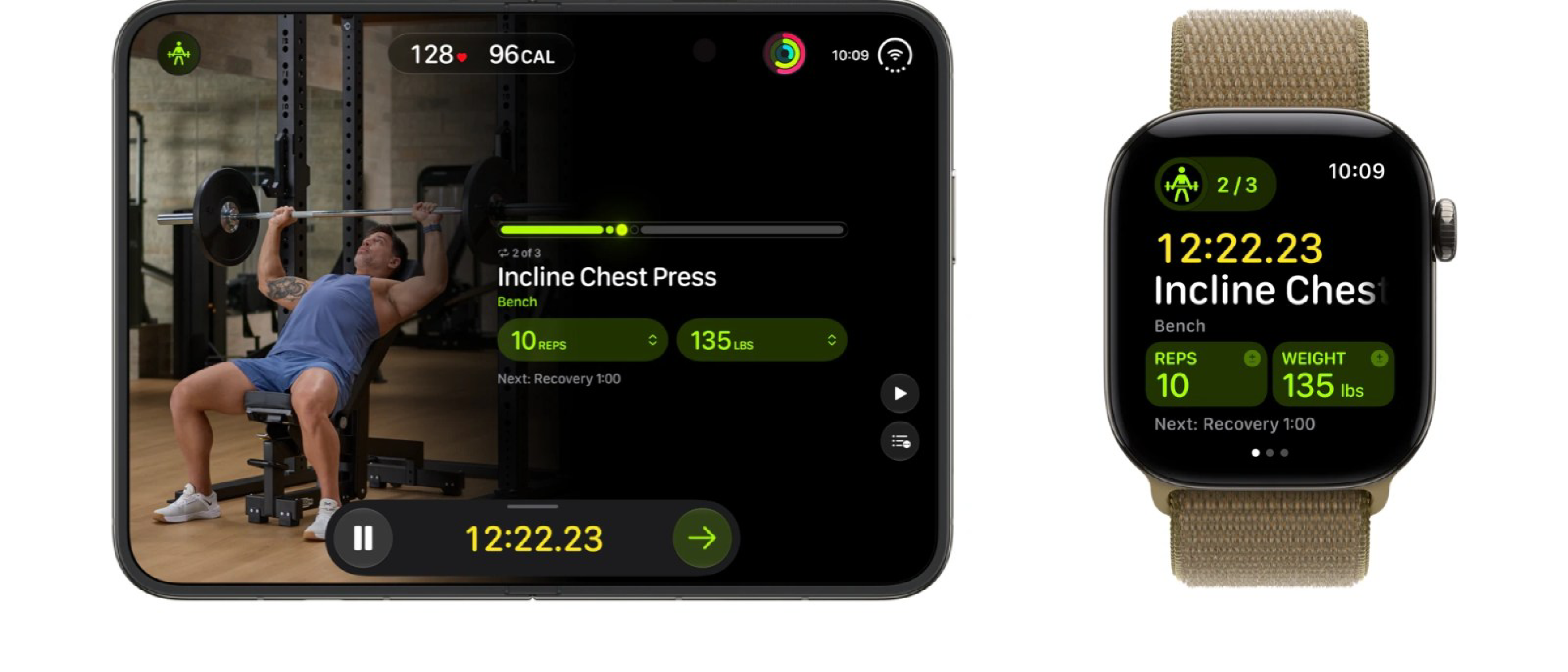
- Apple Watch integration for automatic rep, weight, heart‑rate, and calorie tracking.
- Training Note cards powered by Apple Intelligence, which preview the workout, explain progression logic, and highlight milestones.
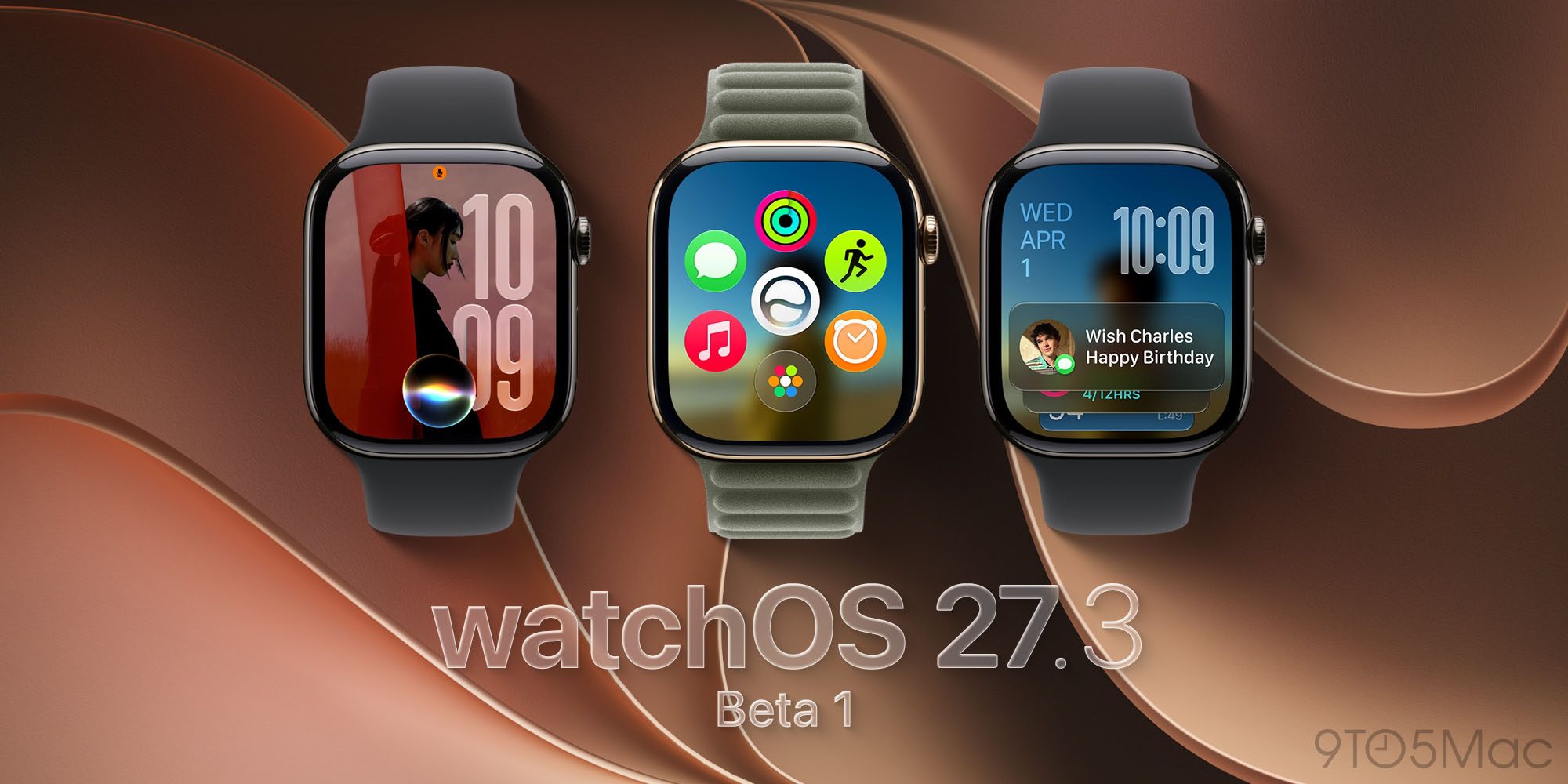
The beta is gated behind iOS 27.3 or iPadOS 27.3, with optional watchOS 27.3 support for wrist‑based logging. The feature is bundled with the existing Fitness+ subscription ($9.99 / month or $79.99 / year) and is also included in Apple One Premier.
The Technology Behind Personalization
AI‑Driven Training Notes
Apple Intelligence, the company’s on‑device generative AI framework, fuels the Training Note experience. When you open a workout, a concise card appears that:
- Summarizes the day’s focus (e.g., “Upper‑body hypertrophy – week 2”).
- Explains why the selected rep range and weight are appropriate based on your historical data.
- Highlights any upcoming milestones, such as “Reach 12 reps on the barbell bench press next week.”
All of this processing happens locally, preserving privacy while delivering a conversational feel that feels more like a personal trainer than a static app.
Adaptive Progression Engine
The progression algorithm tracks three core metrics per exercise:
- Weight lifted
- Repetitions completed
- Time under tension (derived from watch accelerometer data)
Each week, the engine evaluates whether you met the prescribed volume. If you exceeded targets, the next session nudges the load up by 2‑5 %. If you fell short, it either reduces the weight or adds an extra set to reinforce technique. This closed‑loop system mirrors the “auto‑regulation” principles used by elite strength coaches.
Data Integration with Apple Health
All logged data syncs to the Apple Health app, enriching the broader health ecosystem. Users can now see strength‑training trends alongside cardio VO₂ max, sleep, and nutrition metrics. The synergy is especially valuable for athletes who want a holistic view of performance.
For a deeper look at the latest health‑app capabilities in iOS 27.3, see Apple’s recent update: iOS 27.3 Beta Unveils All‑New Apple Health App Features.
Seamless Integration Across the Apple Ecosystem
Apple Watch as a Lifting Companion
When an Apple Watch running watchOS 27.3 is paired, the Gym Strength app automatically records:
- Reps via the watch’s motion sensors.
- Weight entered manually or inferred from previous sessions.
- Heart‑rate zones to gauge cardiovascular stress during heavy sets.
- Calories burned, calculated with the new strength‑training metabolic model.
The watch also delivers
The watch also delivers real‑time haptic feedback at the end of each set, letting you keep your eyes on the bar instead of glancing at the screen. If you’re approaching a prescribed rep range, a gentle tap warns you to maintain form, while a second tap signals it’s time to rack the weight. For users who prefer visual cues, the watch face can display a live rep counter and a progress bar that fills as you complete the set, mirroring the on‑screen video demo.
AirPods Integration for Immersive Coaching
When paired with AirPods 5 or AirPods Pro 3, the Gym Strength sessions automatically switch the audio channel to “Workout Mode,” which boosts the trainer’s voice clarity and reduces ambient noise. The system also syncs the trainer’s verbal cues with the watch’s haptic alerts, creating a seamless audio‑visual coaching loop. If you’re using the Wireless CarPlay Adapter to stream a workout to a car’s infotainment system, the app detects the change and pauses the session, preserving your workout data for later.
Data Privacy and On‑Device AI
All Training Note generation and progression calculations run on‑device, leveraging the Apple Intelligence framework. This means no personal lifting data is sent to Apple’s servers unless you explicitly enable Health sharing. The on‑device model also ensures that the AI can operate offline, so you can log a gym session in a basement without Wi‑Fi.
Pricing, Availability, and Subscription Details
- Gym Strength Beta is included at no extra cost for existing Fitness+ subscribers.
- New users can subscribe to Fitness+ for $9.99 / month or $79.99 / year in the United States.
- The service is also bundled in Apple One Premier at $39.95 / month, which adds Apple Music, Apple TV+, Apple Arcade, Apple News+, and 2 TB of iCloud+ storage.
- Free trials:
- One‑month trial for anyone signing up for Fitness+ for the first time.
- An extended three‑month trial is automatically unlocked when you purchase a qualifying Apple device (e.g., iPhone 15 Pro, Apple Watch Series 9, or iPad Pro 2024) that ships with iOS 27.3 or later.
- The beta is currently available in the U.S., Canada, United Kingdom, Australia, and Germany. Apple plans to roll it out to additional markets later in 2027.
Early Feedback and Potential Limitations
What Early Testers Are Saying
- Positive: Many lifters appreciate the auto‑regulation engine, noting that the weekly weight adjustments feel “just right” and keep them progressing without the guesswork of traditional 5×5 programs.
- Convenient: Users love the ability to swap equipment on the fly—if a barbell isn’t available, the app suggests a dumbbell alternative with comparable loading.
- Motivating: The Training Note cards are praised for turning abstract numbers into actionable insights, especially for beginners who are still learning the “why” behind rep schemes.
Reported Pain Points
- Equipment Detection: The current algorithm assumes a single‑pair‑of‑dumbbells baseline. Users with a more extensive home‑gym setup sometimes find the auto‑suggested weight increments too conservative.
- Watch Accuracy: While the motion sensors are generally reliable, a handful of reviewers reported occasional mis‑counted reps during fast, explosive movements (e.g., kettlebell swings). Apple has indicated a firmware update is in the works to refine the accelerometer filtering.
- Beta Restrictions: As a beta, the program does not yet support custom periodization (e.g., powerlifting cycles) and limits users to the four‑week template. Advanced lifters may outgrow the program before the full release.
Looking Ahead: What Could the Full Release Include?
Analysts speculate that Apple’s roadmap may add:
- Advanced Periodization Options – allowing users to choose strength, hypertrophy, or power cycles with longer timelines.
- Community Challenges – leaderboards and group workouts that integrate with Apple Fitness+ Communities.
- Third‑Party Equipment Integration – Bluetooth connectivity with smart dumbbells, barbells, and cable machines for automatic weight detection.
- Nutrition Sync – deeper ties with the Apple Health nutrition database to suggest post‑workout meals based on macro goals.
If Apple follows its pattern of incremental rollouts, many of these features could appear in the next major iOS update (iOS 28) or as part of a Fitness+ Pro tier later in 2027.
Conclusion
Apple’s Gym Strength beta marks a significant step toward bringing data‑driven strength training into the mainstream consumer ecosystem. By marrying on‑device AI, seamless watch integration, and a massive library of exercise demos, Apple is positioning Fitness+ as a one‑stop hub for both cardio enthusiasts and serious lifters. While the beta’s four‑week structure may feel limiting for seasoned athletes, the adaptive progression engine and transparent Training Notes provide enough personalization to keep most users engaged and progressing. As the program matures and Apple expands its equipment compatibility, the service could become a compelling alternative to traditional gym‑membership apps—especially for those already entrenched in the Apple ecosystem.
Frequently Asked Questions
Q: Do I need an Apple Watch to use Gym Strength? A: No. The program works fully on iPhone or iPad, but an Apple Watch (watchOS 27.3 or later) unlocks automatic rep counting, heart‑rate monitoring, and haptic set cues.
Q: Can I share the Gym Strength beta with family members? A: Yes. A Fitness+ subscription can be shared with up to five family members via Family Sharing, giving each person access to the Gym Strength workouts.
Q: Is my workout data private? A: All AI‑generated Training Notes and progression calculations are performed on‑device. Data is only uploaded to Apple Health if you enable the Health sync toggle.
Q: What equipment do I absolutely need? A: A single pair of dumbbells is the minimum requirement. The app will suggest alternatives for any missing equipment, but having a broader range (kettlebells, barbells, cable machines) expands the exercise library.
Q: When will the full, non‑beta version be released? A: Apple has not announced a firm date, but the company typically moves beta programs to general availability within 6–12 months. Expect an official launch sometime in 2027.
Q: Will the program work on Android or non‑Apple devices? A: No. Gym Strength is exclusive to Apple’s Fitness+ platform and requires iOS 27.3, iPadOS 27.3, or watchOS 27.3.
Q: How does the pricing compare to other strength‑training apps? A: At $9.99 / month, Fitness+ is competitively priced, especially when bundled in Apple One Premier. Many niche strength apps charge a similar monthly fee but lack the integrated hardware ecosystem Apple provides.
Source: Original Article