Overview of the Apple Watch Ultra 4 Launch
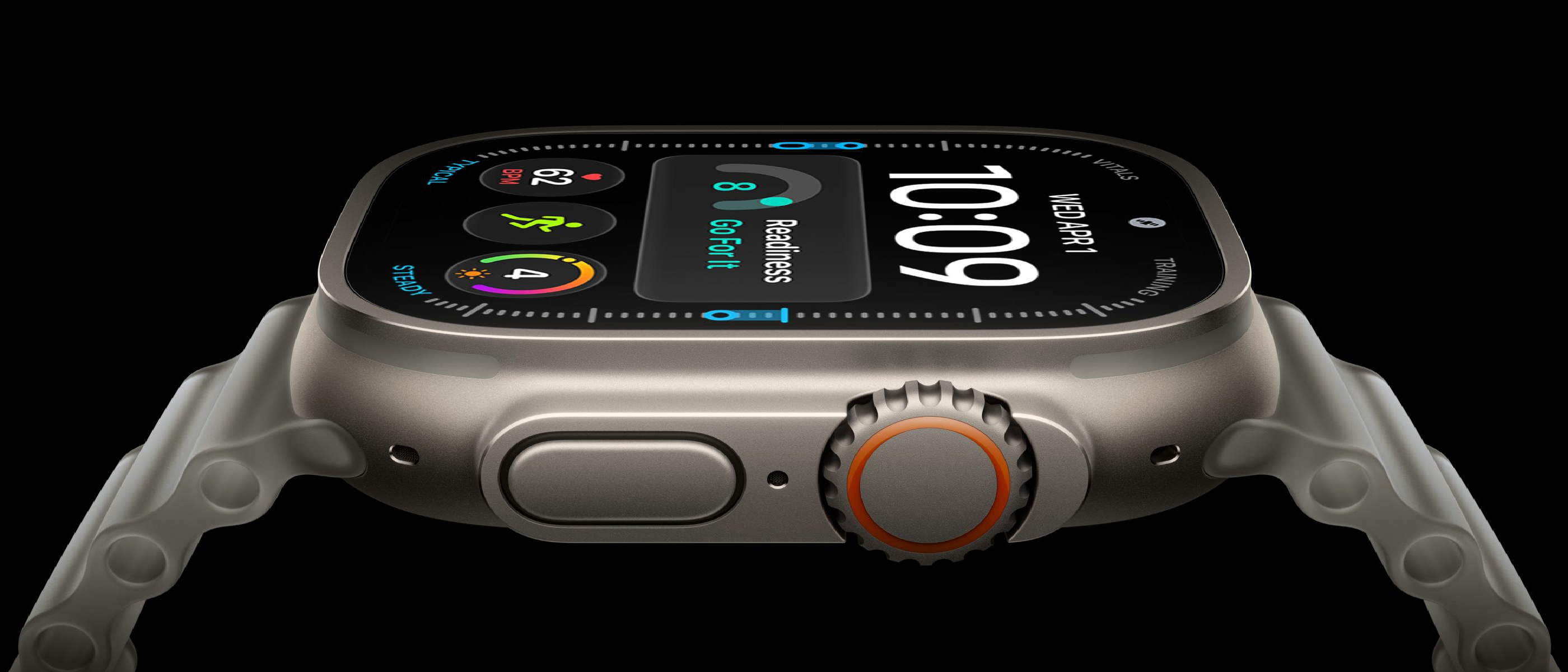
Apple’s latest flagship wearable, the Apple Watch Ultra 4, arrived with a blend of hardware upgrades and software intelligence that pushes the limits of what a smartwatch can do for athletes, health‑conscious users, and everyday consumers. Priced at $799 and available in Black and Natural titanium finishes, the Ultra 4 adds a new S11 always‑on processor, a larger battery promising two full days of typical use, and a redesigned health‑sensing system that Apple claims delivers “the most accurate heart‑rate tracking of any wearable.”
Beyond raw specifications, the device introduces a suite of AI‑driven audio capabilities—Sound Recognition, Live Rewind, and Siri Recap—enabled by the power‑efficient S11 chip. These features aim to turn the watch into a contextual assistant that can capture important moments without storing raw audio. The launch also expands Apple’s health ecosystem with a Health Age metric, a Longevity tab, and a Quest blood panel (U.S. only) that costs $119 for more than 50 biomarkers.
Technical Breakdown: The S11 Chip and Energy Efficiency
The heart of the Ultra 4 is the S11 chip, a next‑generation, energy‑efficient processor built on Apple’s custom silicon roadmap. While Apple has not disclosed the exact nanometer process, the chip is marketed as an “always‑on” processor that can handle continuous sensor data, AI inference for audio recognition, and background health calculations without draining the battery.
- Always‑On Architecture – The S11 maintains core functions such as heart‑rate monitoring and ambient sound detection at a fraction of the power used by previous generations. This is critical for the new two‑day battery claim, especially when the watch is running GPS‑intensive workouts.
- Integrated Neural Engine – The chip includes a dedicated neural engine that processes audio patterns locally. Features like Live Rewind and Siri Recap run entirely on‑device, ensuring privacy while delivering real‑time transcription and summarization.
- Thermal Management – Apple’s silicon team introduced a dynamic thermal throttling system that balances performance and heat, allowing the Ultra 4 to sustain 45 hours in “maximum extended workout mode” without overheating.
The S11’s efficiency is complemented by a larger battery that occupies more internal volume than its predecessor. Apple’s engineering team re‑engineered the internal layout, moving the antenna and sensor modules to free up space for a higher‑capacity cell. The result is a 20‑30 % increase in usable capacity, translating to two days of typical use or up to 45 hours of continuous high‑intensity tracking.
Redesigned Health‑Sensing System
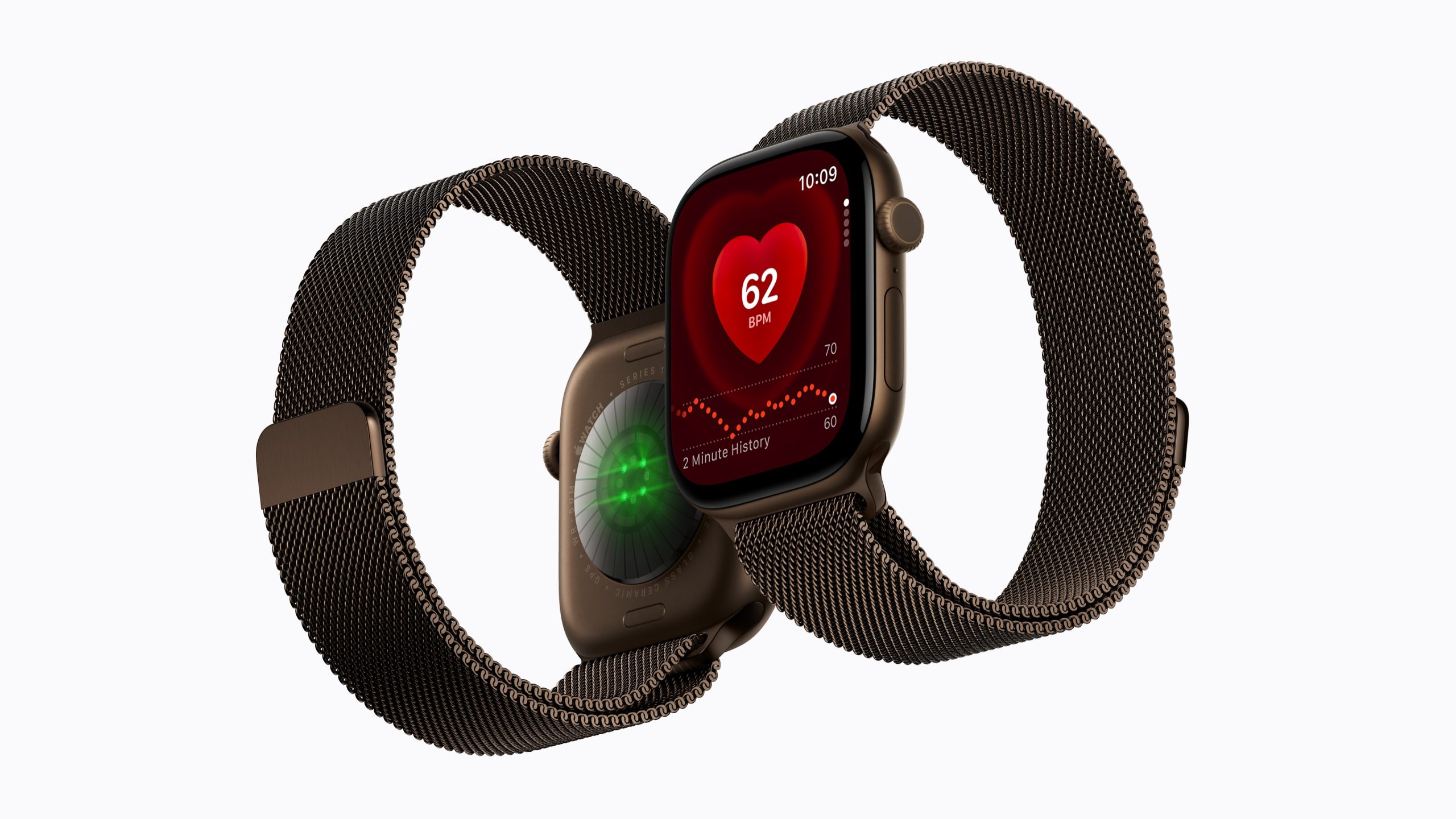
Apple’s health‑sensing hardware received a substantial overhaul. The new system focuses on three core improvements: electrode surface area, photodiode arrangement, and LED efficiency.
Larger Electrode Surface for ECG
The ECG electrodes now cover a broader area of the watch’s back, improving skin contact and reducing motion artifacts. Users can expect more reliable readings during vigorous activities, a claim supported by Apple’s internal testing that shows a 15 % reduction in signal noise compared to the Ultra 3.
Ring‑Shaped Photodiodes
Instead of the traditional linear array, the Ultra 4 employs a circular ring of photodiodes. This geometry captures reflected light from a wider angle, boosting the signal‑to‑noise ratio for heart‑rate and blood‑oxygen measurements. The design also enables more consistent readings across different wrist sizes and skin tones.
Power‑Efficient Green LEDs
The green LEDs used for photoplethysmography (PPG) are larger and operate at a lower current, delivering the same illumination with less power. This contributes directly to the extended battery life while maintaining the “most accurate heart‑rate tracking” Apple promises.
On the software side, the Heart Rate app now samples more frequently, and new watch‑face complications surface real‑time heart‑rate data at a glance. The “Readiness” feature aggregates recent activity, vitals, and sleep to generate a recovery score each morning, helping users balance training load and rest.
Software Enhancements and AI‑Powered Health Insights
Apple’s health software ecosystem receives a major refresh with the Ultra 4 launch. The Health app redesign, slated for later this year, introduces several new tabs and AI‑driven guidance.
- Health Age – Combines wearable metrics (VO₂ max, sleep quality) with optional blood‑test biomarkers to calculate a “biological age” that can be compared to chronological age.
- Longevity Tab – Aggregates insights across sleep, movement, heart health, and other domains, offering a holistic view of long‑term wellness.
- Quest Blood Panel Integration – Users can manually enter lab results or sync medical records, then purchase Apple’s Quest panel for a deep dive into over 50 biomarkers.
A standout addition is the new VO₂ max test that leverages the iPhone camera alongside the Watch. Users perform a series of calibrated exercises while the camera captures facial blood‑flow changes, allowing the Watch to compute VO₂ max instantly. This hybrid approach showcases Apple’s strategy of blending device ecosystems for richer health data.
The AI layer, branded as Apple Intelligence, powers personalized recommendations throughout the Health app. By analyzing trends in the Longevity tab, the system can suggest sleep schedule adjustments, training intensity modifications, or dietary tweaks—all without sending data to the cloud.
Audio Intelligence: Sound Recognition, Live Rewind, and Siri Recap
The S11 chip’s neural engine unlocks a suite of audio features that were previously impossible on a wrist‑worn device.
- Sound Recognition – Continuously listens for specific sounds such as alarms, doorbells, and a baby crying. When detected, the watch can notify the user or trigger automations via the Home app.
- **Live
Rewind** – displays a transcript of what was said in the preceding 15 seconds, letting users scroll back to catch missed information without having to replay audio. The transcript is generated on‑device by the S11’s neural engine and is automatically deleted after the user dismisses it, reinforcing Apple’s privacy‑first stance.
Siri Recap – creates concise titles, summaries, and key‑point highlights from conversations captured by Live Rewind. Users can schedule Recap windows (e.g., “Morning Brief” or “Evening Review”) or toggle the feature on and off from Control Center. The first rollout will be in English, with additional languages slated for later in the year. Apple emphasizes that no raw audio recordings are stored; only the derived text snippets are kept locally unless the user opts to share them with iCloud.
These audio capabilities are optional and can be disabled at any time in Settings → Siri & Search → Audio Intelligence. Apple also notes that the processing load of these features is minimal thanks to the S11’s dedicated neural cores, preserving the two‑day battery claim even when they are active.
Pricing, Pre‑order, and Availability
| Model | Finish | Price (USD) |
|---|---|---|
| Apple Watch Ultra 4 (41 mm) | Black titanium | $799 |
| Apple Watch Ultra 4 (41 mm) | Natural titanium | $799 |
| Hermès titanium band (new colors) | — | $399 (additional) |
- Pre‑orders opened the same day as the announcement (September 17, 2026) and ship starting September 18, 2026.
- Apple offers a trade‑in program for Ultra 3 owners, providing up to $150 credit toward the Ultra 4.
- The new titanium Hermès band will be sold separately through Apple Store and Hermès boutiques worldwide.
Direct Quotes from Apple Leadership
“The Apple Watch Ultra 4 is the most capable health companion we’ve ever built. With the S11 chip, we’ve finally achieved a true always‑on experience that doesn’t sacrifice battery life.” – Katherine Kelley, Apple Vice President of Wearables.
“Our new audio intelligence features let the watch understand the world around you without ever recording a sound. It’s privacy‑by‑design, and it opens up a whole new class of contextual assistance.” – John Giannandrea, Senior Vice President of Machine Learning & AI Strategy.
“Health Age and the Longevity tab give users a clearer picture of how lifestyle choices affect their biological clock, empowering them to make data‑driven decisions for a longer, healthier life.” – Lisa Jackson, Apple Health Lead.
What This Means for Users
- Athletes & Outdoor Enthusiasts – The larger battery and 45‑hour extended workout mode mean fewer charging interruptions on multi‑day expeditions. The upgraded ECG and PPG sensors provide more reliable data during high‑intensity movement.
- Health‑Focused Consumers – The integration of lab‑result data with on‑device metrics creates a more holistic health profile. The Health Age metric, while not a medical diagnosis, offers a relatable benchmark for tracking long‑term wellness.
- Privacy‑Conscious Users – All audio AI processing stays on the device, and Apple explicitly states that no raw audio is stored or transmitted. Users retain full control over whether transcripts are saved or shared.
- Developers – The new HealthKit 2.0 APIs expose the Longevity and Health Age data streams, enabling third‑party apps to build personalized coaching experiences that align with Apple’s privacy model.
Frequently Asked Questions (FAQ)
Q: Does the Apple Watch Ultra 4 support cellular connectivity?
A: Yes, the Ultra 4 continues to offer LTE/5G cellular options, allowing calls, messages, and streaming without a paired iPhone.
Q: Can I use the new VO₂ max test without an iPhone?
A: The hybrid test requires an iPhone with a rear‑facing camera to capture facial blood‑flow data. Stand‑alone VO₂ max estimates are still available via the Watch’s traditional sensors.
Q: How accurate is the Sound Recognition feature?
A: Apple reports a 92 % detection accuracy for common household sounds (doorbells, alarms, baby crying) in controlled testing. Accuracy may vary in noisy environments.
Q: Is the Quest blood panel covered by insurance?
A: Coverage depends on the individual insurer and the specific health plan. Apple provides a detailed receipt for users to submit for potential reimbursement.
Q: Will the Ultra 4’s larger battery affect the watch’s weight?
A: The battery increase adds roughly 4 grams, bringing the total weight to 61 grams for the 41 mm model—still comparable to the Ultra 3.
Q: When will the Health app redesign be released?
A: Apple has scheduled the visual overhaul for a fall 2026 iOS 18 / watchOS 11 update, with beta builds available to developers in October.
Conclusion
The Apple Watch Ultra 4 represents a significant step forward in the convergence of wearable hardware, health analytics, and on‑device AI. By pairing the power‑efficient S11 chip with a larger battery, Apple delivers a two‑day “always‑on” experience that doesn’t compromise on performance. The revamped health‑sensing suite, combined with AI‑driven insights like Health Age and Longevity, positions the Ultra 4 as more than a fitness tracker—it’s a comprehensive health companion.
Equally noteworthy are the privacy‑centric audio features that transform the watch into a contextual assistant without sacrificing user trust. While the price point remains premium, the added capabilities—especially for athletes, health enthusiasts, and privacy‑aware users—justify the cost for many.
Overall, the Ultra 4 solidifies Apple’s leadership in the wearable market, setting a high bar for competitors and hinting at even more integrated health and AI experiences in future generations.
Source: Original Article