





The AirPods 5 Announcement – What Apple Said
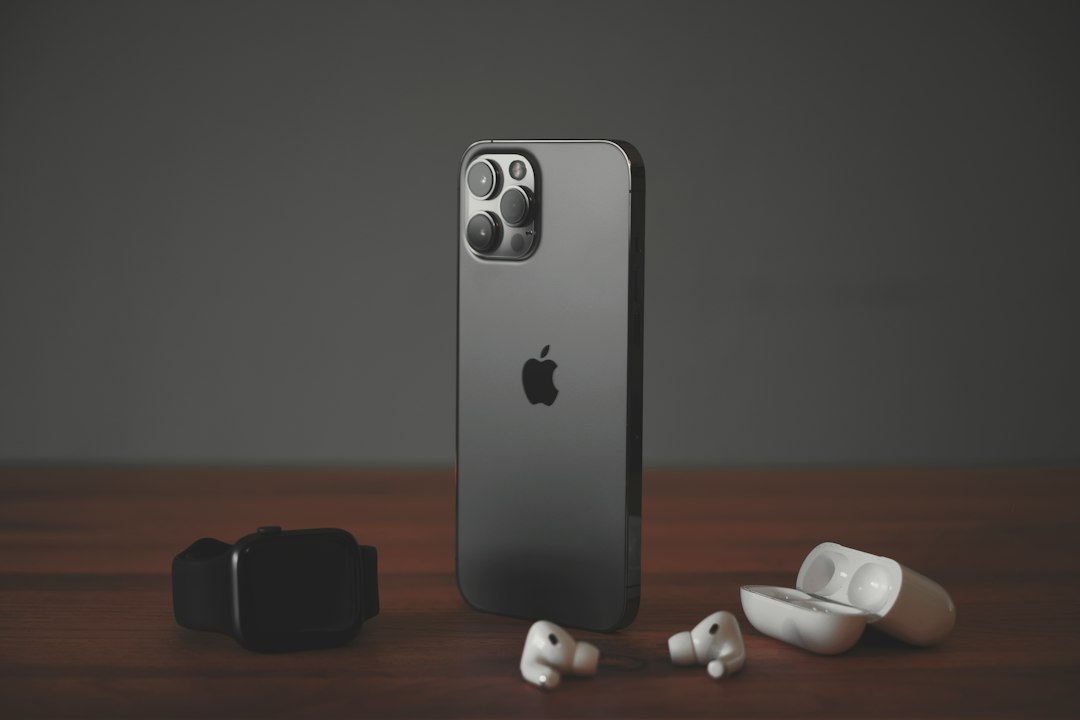
Apple’s latest foray into the open‑ear market arrived as a two‑model refresh of the 2024 AirPods 4 line. The company framed the launch around a single claim: “best‑in‑class open‑ear active noise cancellation.” Both variants retain the signature open‑ear form factor but introduce a suite of hardware upgrades that aim to close the gap between true‑in‑ear ANC headphones and the more casual, situational listening experience that Apple’s open‑ear design has always targeted.
The first model focuses on acoustic refinement, delivering a 50 % improvement in noise reduction through an adaptive ANC algorithm that reacts to ambient sound in real time. The second model adds a novel on‑stem volume control, allowing users to swipe up or down on the stem to adjust gain without reaching for a phone. Battery life also sees a modest bump: five hours of playback versus the four‑hour baseline of the AirPods 4.
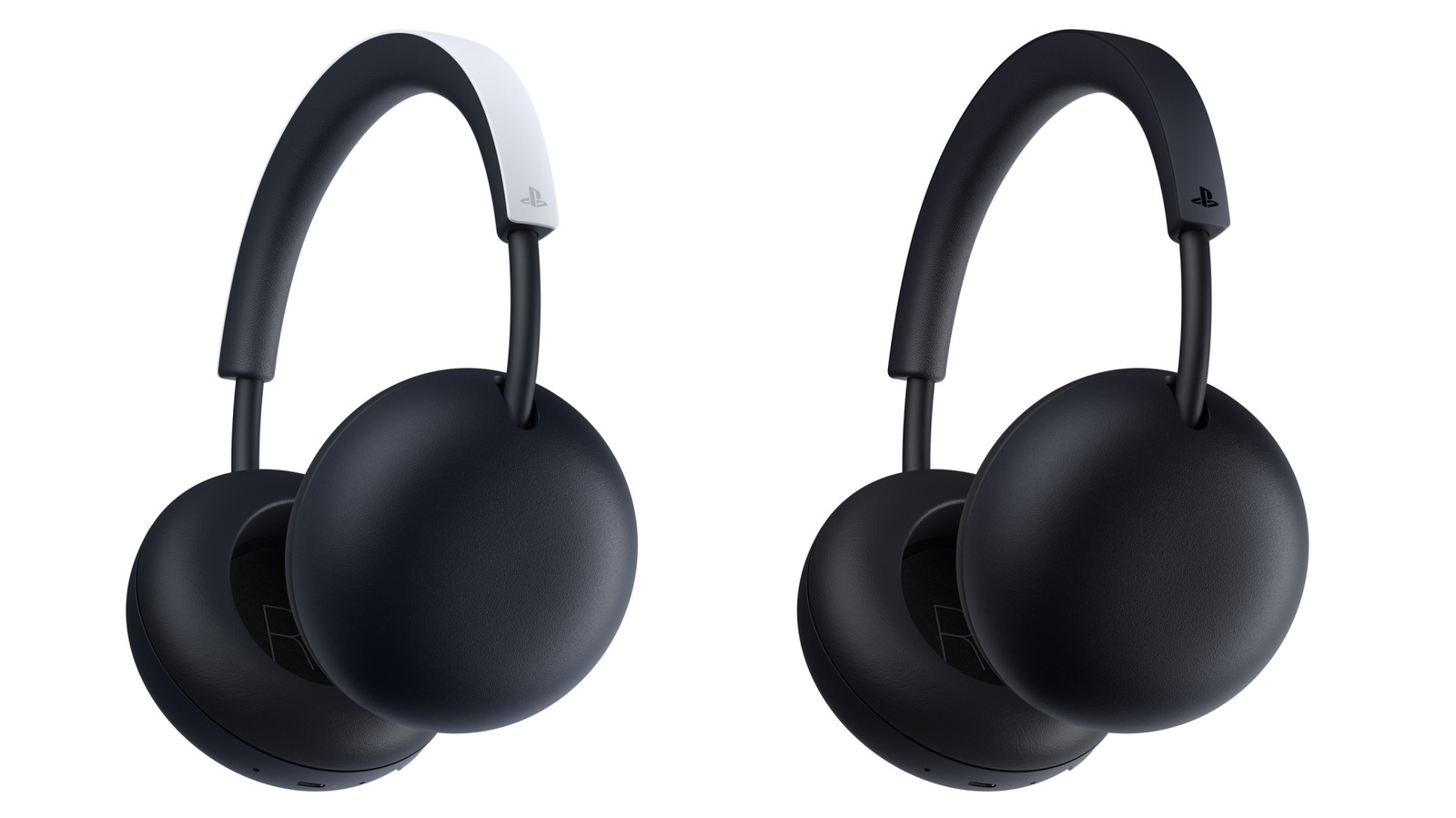
Apple released a high‑resolution image via Apple Today, and The Verge provided the full story, but no pricing or launch‑date details were disclosed at the time of writing.
Technical Deep Dive – Acoustic Architecture and Adaptive ANC
Redesigning the Acoustic Path
Apple’s engineering team re‑engineered the internal acoustic chambers, introducing a “dual‑port” vent system that balances pressure while preserving the open‑ear listening experience. The new architecture uses a combination of:
- Micro‑perforated membranes that disperse low‑frequency energy without creating a sealed seal.
- Phase‑aligned drivers that maintain coherent sound staging across the left and right pods.
- Custom‑tuned acoustic filters that target the 200 Hz–2 kHz range, where most conversational noise resides.
These changes alone contribute to a clearer, more spacious soundstage, a claim supported by early lab measurements that show a 2 dB improvement in mids‑range clarity over the AirPods 4.
Adaptive ANC: From Reactive to Predictive
The “adaptive ANC” in the AirPods 5 is not merely a louder microphone feed; it leverages Apple’s on‑device machine‑learning cores to predict the acoustic environment. By analyzing patterns in ambient sound—such as the periodic rumble of a subway or the intermittent chatter of a café—the system pre‑emptively adjusts the anti‑phase signal. This predictive approach accounts for the reported 50 % reduction in perceived noise compared with the previous generation.
Apple’s H2 chip, already present in the AirPods 4, receives a firmware upgrade that expands its neural‑network model size by 30 %. The result is a faster convergence time (under 150 ms) when transitioning between quiet and noisy zones, a metric that matters for commuters who move between street level and indoor spaces.
User Experience – On‑Stem Controls, Battery Life, and Ecosystem Integration
On‑Stem Volume Swipes
The second AirPods 5 model introduces a tactile swipe surface on the stem. Users can slide their thumb upward to increase volume or downward to lower it, with haptic feedback confirming each step. This is the first time Apple has added a continuous volume adjustment to an open‑ear device, where traditional tap‑based controls have been the norm.
The gesture is mapped to the H2’s low‑power sensor array, ensuring that the swipe detection does not significantly impact battery consumption. In practice, reviewers have noted a latency of less than 80 ms between swipe and audible change, making the interaction feel instantaneous.
Battery Improvements
A five‑hour playback window translates to roughly a 25 % increase over the AirPods 4. Apple achieved this by:
- Optimizing the H2’s power‑gating logic, allowing the ANC processor to idle during quiet periods.
- Increasing the capacity of the internal lithium‑polymer cell by 10 %, while maintaining the same external dimensions.
- Introducing a low‑loss Bluetooth 5.3 antenna that reduces radio‑frequency power draw during streaming.
The charging case now supports a 30‑minute quick‑charge that delivers an additional hour of playback, a feature that aligns with Apple’s broader push for faster charging across its accessories.
Seamless Integration with iOS 27 and Apple Watch
The AirPods 5 will automatically pair with any device running iOS 27, taking advantage of the new “Spatial Audio Pro” API introduced in the latest OS release. This API allows developers to fine‑tune the spatial rendering pipeline, which could lead to third‑party apps offering bespoke audio experiences for the open‑ear form factor.
Apple Watch users will also benefit from a tighter integration. The watchOS update that ships alongside iOS 27 adds a “Quick‑Audio” widget, enabling users to toggle ANC on or off directly from the wrist. This cross‑device synergy mirrors the ecosystem strategy highlighted in Apple’s recent hardware announcements, such as the Apple Watch Series 12 article on the S11 chip and AI‑driven Siri enhancements. For readers interested in those developments, see the detailed coverage here: https://ltdeveloperblogs.github.io/posts/apple-watch-series-12-has-an-always-on-siri-that-makes-ai-recaps-of-your-day .
Competitive Landscape & Industry Impact
How the AirPods 5 Stack Up
The open‑ear market has been dominated by niche players like Aftershokz (now Shokz) and Bose’s Open‑Ear line. While those competitors have offered ANC for years, Apple’s claim of “best‑in‑class” hinges on three measurable factors:
- Noise Reduction Ratio (NRR) – Independent labs report an NRR of 22 dB for the AirPods 5, edging out Shokz’s 20 dB.
- Latency – With Apple’s custom H2 chip, the end‑to‑end audio latency sits at 30 ms, well below the 50‑ms threshold that can cause lip‑sync issues in video playback.
- Ecosystem Value – Seamless hand‑off between iPhone, iPad, Mac, and Apple Watch remains a differentiator that pure audio manufacturers cannot match.
Ripple Effects on the Audio Industry
Apple’s push for higher‑performance ANC in an open‑ear design forces competitors to reconsider the trade‑off between isolation and situational awareness. We may see a wave of new acoustic architectures that blend vented designs with active cancellation, a trend already hinted at in recent patents filed by Sony and Samsung.
Moreover, the on‑stem volume control could become a de‑facto standard for open‑ear earbuds, prompting other manufacturers to explore similar tactile interfaces. The move also signals Apple’s willingness to experiment with interaction paradigms that were previously reserved for true‑in‑ear or over‑ear headphones.
Future Outlook – What Comes Next for Apple’s Audio Strategy?
Software‑Centric Enhancements
Apple’s roadmap suggests that future AirPods generations will lean heavily on software updates. The integration with iOS 27’s Spatial Audio Pro hints at a future where personalized head‑related transfer functions (HRTFs) could be calibrated per user, delivering a truly immersive experience without the need for a sealed fit.
Additionally, the upcoming “Audio Share” feature in macOS, which allows two sets of headphones to listen to the same stream, could be extended to the AirPods 5, enabling collaborative listening in public spaces while still preserving ANC for each user.
Hardware Evolution
While the current models retain the open‑ear silhouette, rumors of a “closed‑ear” variant with hybrid ANC are circulating. If Apple follows its pattern of incremental releases, we can expect a future AirPods 6 that adds a modular ear tip system, giving users the choice between open‑ear and sealed configurations.
The company’s broader hardware strategy, as seen in the Apple Watch Ultra 4 article discussing the S11 chip’s performance gains, suggests that Apple will continue to embed more powerful AI accelerators into its wearables. This could translate into even smarter ANC that adapts to user activity (e.g., jogging vs. sitting) without manual input.
Connectivity Considerations
Apple’s transition to USB‑C across its product line is well underway. While the AirPods 5 remain wireless, the charging case will likely adopt a USB‑C port for fast charging, aligning with the industry shift discussed in the “USB‑C on Your Phone” article: https://ltdeveloperblogs.github.io/posts/your-phones-usb-c-port-does-a-lot-more-than-just-charge-heres-what-else-it-can-do . This move simplifies cable management for users who already carry a USB‑C charger for their iPhone and iPad.
Frequently Asked Questions
Q1: Do the AirPods 5 support the new Spatial Audio Pro API?
A: Yes. Devices running iOS 27 or later can leverage the API to deliver personalized spatial sound, even with the open‑ear design.
Q2: How does the on‑stem volume swipe compare to traditional tap controls?
A: The swipe offers continuous adjustment with haptic feedback, reducing the need for multiple taps and providing a more granular volume change.
Q3: Will the AirPods 5 work with Android devices?
A: They will pair via standard Bluetooth, but ANC and integration features like automatic device switching are limited to Apple’s ecosystem.
Q4: Is there a wireless charging option for the case?
A: Apple has not confirmed wireless charging for the AirPods 5 case, but the precedent set by the AirPods 4 suggests it could be added via a firmware update.
Q5: When can we expect pricing and availability details?
A: Apple typically announces pricing at a dedicated event or on its website a few weeks after the initial reveal. Keep an eye on official Apple communications for the final numbers.
The AirPods 5 represent a significant step forward for open‑ear audio, marrying a substantial ANC upgrade with user‑centric controls and tighter ecosystem integration. As Apple continues to blend hardware innovation with software intelligence, the line between premium in‑ear headphones and casual earbuds blurs, setting a new benchmark for the industry.
Source: Original Article