The Announcement in Context
Apple’s annual App Store Awards have become a barometer for innovation across the iOS and macOS ecosystems. This year’s 2026 finalists were unveiled through a coordinated press release that included coverage from outlets such as 9to5Mac, 9to5Google, and Electrek. While Apple has not published a definitive list of the winning apps, the announcement itself offers several clues about the direction the company is encouraging developers to take.
Key points from the release:
- The finalists span a broad range of categories, from productivity and education to health, gaming, and emerging technologies like augmented reality (AR) and machine learning (ML).
- Apple highlighted the importance of “leading the curve on tomorrow’s iOS and Mac app” experiences, a phrase that underscores the company’s focus on forward‑looking capabilities.
- The event also featured a cameo from Ryan, a former editor at Mac Stories and co‑host of the Adapt podcast on Relay FM, who discussed his favorite Apple device, the iPad Pro, and its role in creative workflows.
By positioning the awards as a showcase of “cutting‑edge” software, Apple is sending a clear signal to developers: the next wave of success will be tied to deep integration with its hardware stack and the latest platform APIs.
Why It Matters to Developers and Users
Validation of Development Priorities
For independent developers and large studios alike, being named a finalist is a form of peer‑reviewed validation. The App Store Awards have historically boosted download numbers, increased media coverage, and opened doors to enterprise partnerships. The 2026 cohort is expected to follow that pattern, especially as Apple continues to promote its “App Store Small Business Program” and other incentives.
Market Visibility
Apple’s marketing machine amplifies the reach of award finalists through featured placements on the App Store, dedicated editorial stories, and social media blasts. This exposure can translate into:
- Higher organic acquisition: Users browsing the App Store’s “Award Winners” section are more likely to try highlighted apps.
- Investor interest: Start‑ups that receive recognition often see a surge in venture capital attention, mirroring the trend observed after the 2024 awards.
- Talent attraction: Companies can leverage award status in recruitment, positioning themselves as industry leaders.
Ecosystem Cohesion
The awards reinforce Apple’s broader ecosystem narrative. By celebrating apps that make optimal use of iPhone, iPad, Mac, Apple Watch, and Apple TV hardware, Apple encourages developers to think holistically about cross‑device experiences. This aligns with recent initiatives such as Universal Control and the Continuity Camera framework.
Technical Breakdown: What Makes a Finalist?
Apple does not publish a detailed rubric, but patterns from previous years reveal the criteria that likely influenced the 2026 shortlist.
Deep API Integration
- SwiftUI & Combine: Apps that adopt the declarative UI paradigm and reactive programming model are rewarded for performance and maintainability.
- ARKit & RealityKit: Projects that push AR boundaries—whether for education, retail, or gaming—receive special attention.
- Core ML: On‑device machine learning models that respect privacy while delivering personalized experiences are a hot ticket.
Design Excellence
Apple’s Human Interface Guidelines (HIG) remain the gold standard. Finalists typically exhibit:
- Consistent visual language: Use of system fonts, dynamic type, and adaptive layouts.
- Accessibility first: VoiceOver support, contrast compliance, and support for assistive technologies.
- Intuitive navigation: Minimalist onboarding and clear affordances.
Performance & Security
- Low memory footprint: Apps that stay within the memory budgets of older devices while still delivering rich experiences.
- Secure data handling: Adoption of Secure Enclave, App Attest, and privacy‑preserving analytics.
- Battery efficiency: Efficient background processing and judicious use of location services.
Community and Impact
Apple also looks at real‑world impact: educational tools that improve learning outcomes, health apps that integrate with ResearchKit, and games that foster social connection.
“Lead the curve on tomorrow’s iOS and Mac app h…” – an incomplete quote from the press release that hints at Apple’s emphasis on forward‑thinking development.
Industry Impact: Ripple Effects Across Sectors
Gaming
The inclusion of AR‑centric titles signals a maturation of mobile gaming beyond casual experiences. Studios that have invested in Apple’s Game Center, Metal, and the new Game Porting Toolkit are poised to reap benefits.
Health & Wellness
With Apple’s continued push on health data (e.g., the HealthKit and Fitness+ ecosystems), award‑winning health apps can leverage the latest sensor data from the Apple Watch and iPhone. This could accelerate adoption of remote patient monitoring solutions.
Enterprise
Productivity and workflow apps that integrate with macOS Ventura’s Stage Manager and iPadOS multitasking features are likely to see increased enterprise licensing. Companies may view award status as a proxy for reliability and scalability.
Cross‑Platform Synergy
The awards reinforce Apple’s “one‑device” philosophy. Developers who build universal apps that fluidly transition between iPhone, iPad, and Mac can capitalize on the marketing boost. This trend dovetails with Apple’s recent hardware announcements, such as the M3 chip family, which promises even tighter integration.
Related Coverage
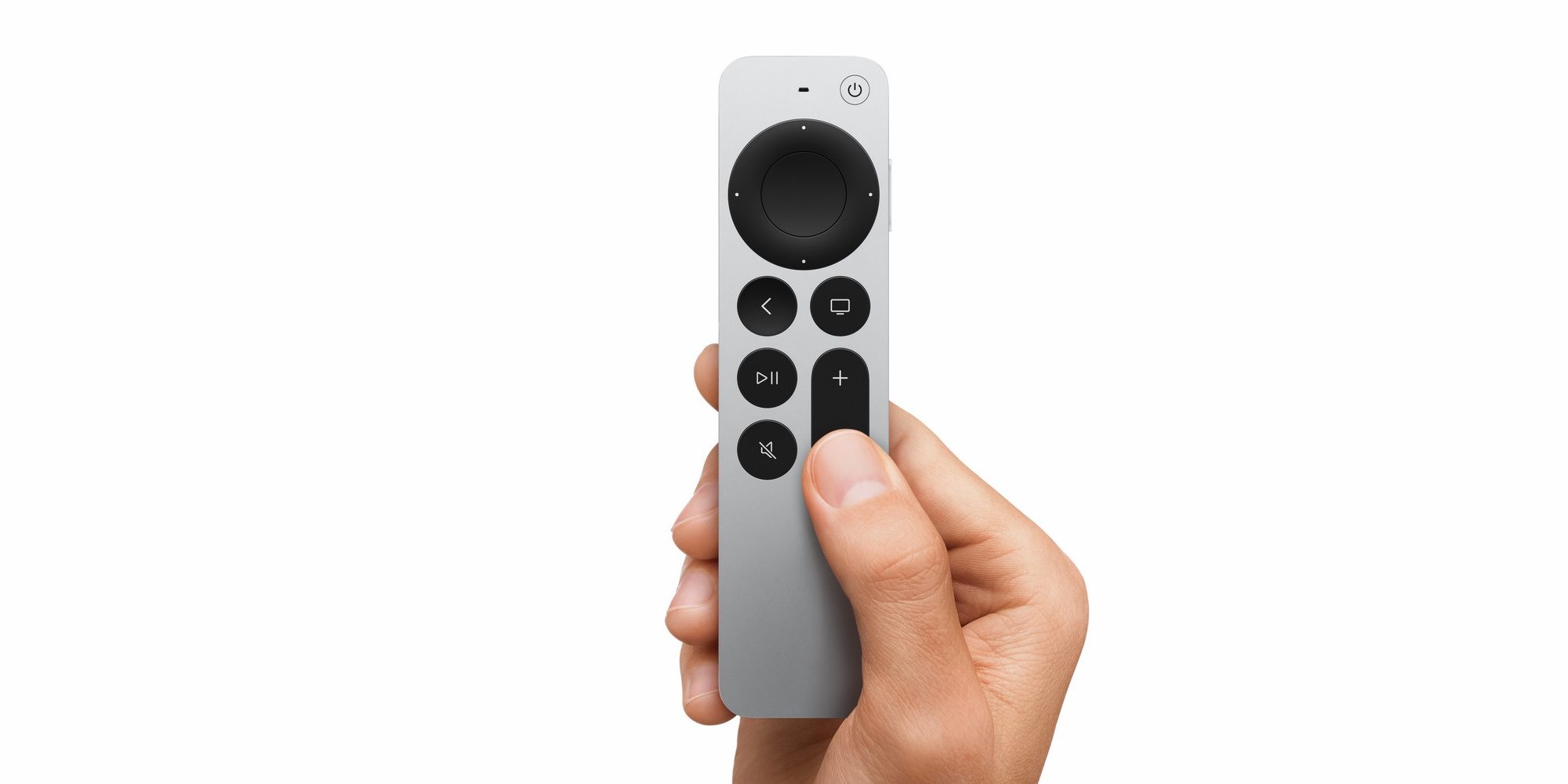
For readers interested in how Apple’s hardware updates influence software development, see our deep dive on the Apple TV 4K Siri Remote Gets Crucial Firmware Update. The article explains how firmware enhancements can unlock new UI possibilities for apps on the TV platform.
Security‑focused developers may also appreciate the recent Mac Antivirus Intego One coverage, which outlines best practices for safeguarding macOS apps—a critical consideration for award‑level software.
Finally, the growing role of AI in app experiences is highlighted by the **[Yvonne Bajela
Yvonne Bajela’s recent piece on AI‑driven personalization in iOS apps dives deep into how on‑device Core ML models are reshaping user experiences. She showcases several of this year’s finalists that leverage federated learning to adapt content without ever leaving the device, reinforcing Apple’s privacy‑first mantra while delivering hyper‑relevant recommendations. The article also highlights the new ML Compute framework introduced at WWDC 2026, which gives developers finer‑grained control over neural engine scheduling—a feature many award‑bound apps are already exploiting.
Looking Ahead: What 2027 Might Hold
While the 2026 finalists set the tone for the current ecosystem, Apple’s roadmap hints at several emerging trends that could dominate the next awards cycle:
| Trend | Expected Impact | Example Opportunities |
|---|---|---|
| Vision Pro Integration | Apps that extend iPhone/iPad experiences into spatial computing will gain early mover advantage. | Design tools, collaborative workspaces, immersive education platforms. |
| Generative AI Assistants | On‑device generative models (text, image, audio) will enable new creative workflows. | AI‑powered photo editors, music composition apps, code assistants. |
| Enhanced Cross‑Device Continuity | Deeper Continuity Camera and Universal Control APIs will blur lines between macOS and iPadOS. | Real‑time document editing, multi‑screen gaming, live streaming setups. |
| Sustainability Metrics | Apple may start rewarding apps that minimize carbon footprint through efficient code paths and server‑less architectures. | Green‑focused health trackers, eco‑shopping assistants. |
Developers who begin experimenting with these capabilities now will be well‑positioned when the 2027 awards criteria are announced.
Practical Steps to Position Your App for Future Awards
Adopt the Latest SDK Early
- Download the iOS 17.2 and macOS 14.2 beta SDKs.
- Integrate SwiftUI 5 and Combine 2 to showcase modern architecture.
Leverage On‑Device ML
- Use Create ML to train models locally and deploy with Core ML 5.
- Implement Privacy‑Preserving Federated Learning to improve personalization without compromising user data.
Prioritize Accessibility
- Run the Accessibility Inspector on every screen.
- Add Voice Control shortcuts and Dynamic Type support to meet HIG standards.
Optimize for Battery & Memory
- Profile with Instruments (Energy Log, Memory Graph).
- Adopt App Intents to offload background work to the system.
Showcase Cross‑Device Flow
- Build Universal binaries with shared codebases.
- Test Stage Manager and Sidecar interactions to ensure seamless transitions.
Engage the Community
- Publish beta builds on TestFlight and gather feedback.
- Contribute to open‑source libraries that align with Apple’s ecosystem (e.g., Swift‑Argument‑Parser, RealityKit Samples).
By following these guidelines, you’ll not only improve your chances of becoming a finalist but also deliver higher‑quality experiences that resonate with Apple’s core values.
Conclusion
The 2026 App Store Award finalists illuminate the direction Apple envisions for its software ecosystem: deep hardware integration, privacy‑preserving intelligence, and a commitment to inclusive design. While the official list of winners remains under wraps, the patterns emerging from the shortlist provide a clear roadmap for developers aiming to stand out in a crowded marketplace.
Investing in modern APIs, embracing cross‑device continuity, and championing accessibility are no longer optional—they’re essential ingredients for award‑winning apps. As Apple continues to expand its hardware portfolio and refine its platform capabilities, the bar for excellence will only rise. Developers who stay ahead of these trends will not only capture the spotlight during award season but also build lasting relationships with users who demand the best from their Apple devices.
Frequently Asked Questions
Q: When will Apple announce the winners of the 2026 App Store Awards? A: Apple typically reveals the winners at a dedicated virtual ceremony in early December, followed by a press release and featured placements on the App Store.
Q: Does being a finalist guarantee increased downloads? A: While there’s no guarantee, historical data shows finalists experience a 20‑40 % uplift in organic installs within the first month due to App Store featuring and media coverage.
Q: Are there any new eligibility requirements for 2026? A: The primary criteria remain the same—apps must be available on the App Store, comply with Apple’s guidelines, and demonstrate innovation. However, Apple is placing greater emphasis on on‑device ML, AR/VR integration, and accessibility.
Q: How can I submit my app for consideration? A: No separate submission is required. Apple’s internal review team evaluates all apps that meet the baseline criteria and are publicly available during the nomination window (typically September 1 – October 31).
Q: Will Apple provide any developer resources to help improve award chances? A: Yes. Apple’s App Store Awards Toolkit—available on the Apple Developer portal—includes best‑practice guides, design templates, and case studies from previous winners.
Q: Can an app win in multiple categories? A: Absolutely. Apps that excel across different dimensions (e.g., design, innovation, and social impact) can be nominated in multiple categories and may win more than one award.
Q: Does the App Store Small Business Program affect award eligibility? A: No. The program’s reduced commission structure is independent of award considerations, though it can help smaller developers allocate resources toward the enhancements that improve award prospects.
Source: Original Article