

Why It Matters
Apple’s “Made for iPhone” (MFi) hearing‑aid program has long been a cornerstone of iOS accessibility. By expanding the compatibility list with almost 45 additional devices, Apple is doing more than just ticking a box—it is reinforcing its commitment to inclusive design and creating a tangible competitive advantage for manufacturers that choose the iPhone ecosystem.
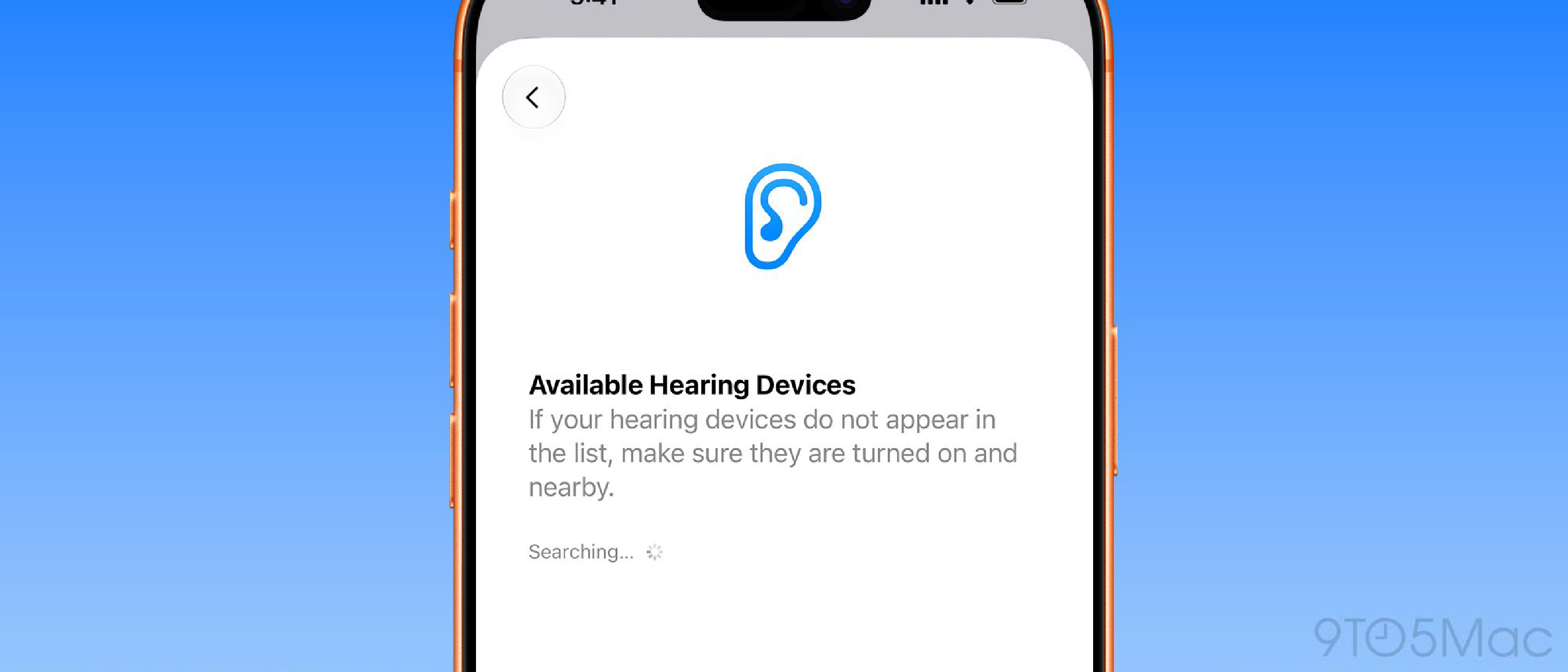
- User experience: iPhone users with hearing loss can now pair a broader range of devices directly through the Settings > Accessibility > Hearing Devices menu, eliminating the need for proprietary companion apps.
- Regulatory alignment: Many markets, especially the EU and the United States, are tightening accessibility standards for consumer electronics. A larger MFi catalog helps manufacturers demonstrate compliance.
- Ecosystem lock‑in: When a hearing aid works seamlessly with iOS, users are less likely to switch to Android platforms, strengthening Apple’s market share in the premium segment.
The move also dovetails with Apple’s broader hardware momentum, as discussed in our recent analysis of Apple’s surge amid a global PC decline. Read more here .
Industry Impact
Market Consolidation
The hearing‑aid market is fragmented, with dozens of manufacturers ranging from boutique audiology labs to large multinational firms. By granting MFi certification to a larger pool of devices, Apple encourages consolidation around a set of “iPhone‑first” products. Companies that secure MFi status gain a marketing badge that can be leveraged in retail environments, potentially shifting purchasing decisions toward those brands.
Competitive Pressure on Android
Google’s “Made for Android” (MFA) initiative has been slower to gain traction, partly because Android’s hardware diversity makes a unified certification more complex. Apple’s aggressive expansion of its list may force Google to accelerate its own program, benefitting end‑users across platforms.
Innovation Incentives
Manufacturers now have a clearer incentive to invest in Bluetooth Low Energy (BLE) profiles that meet Apple’s stringent latency and power‑consumption requirements. This could spur innovations such as:
- Adaptive directional microphones that automatically focus on the speaker of interest.
- Real‑time language translation integrated at the firmware level.
- Health‑data sharing with Apple HealthKit for continuous monitoring of auditory health.
These innovations echo the broader trend of device‑to‑device data exchange highlighted in our piece on content extraction challenges for developers. Explore the details .
Technical Breakdown of MFi Compatibility
Core Bluetooth LE Profile
Apple’s MFi hearing‑aid certification hinges on a specific BLE profile that supports:
- Low‑latency audio streaming (≤ 20 ms round‑trip) to ensure speech remains natural.
- Bidirectional control for volume, program selection, and environmental modes.
- Secure pairing using Apple’s proprietary authentication token, preventing rogue devices from hijacking the audio path.
Firmware Requirements
Manufacturers must embed a signed firmware bundle that:
- Validates the iPhone’s public key during the initial handshake.
- Exposes a standardized GATT (Generic Attribute Profile) table that iOS can query for capabilities.
- Implements power‑saving states that align with iOS’s background execution limits, extending battery life for both the hearing aid and the phone.
Integration with iOS Accessibility APIs
Once paired, the hearing aid appears in the Live Listen and Audio Routing sections of iOS. Developers can leverage the AVAudioSession and CoreBluetooth frameworks to:
- Detect when a user switches between hearing‑aid profiles.
- Adjust app‑level audio output dynamically (e.g., a podcast app lowering volume when the user activates a “Focus” mode on the aid).
- Access real‑time telemetry such as battery level and signal strength, which can be displayed in a custom UI.
These capabilities are especially relevant for developers building parental‑control or accessibility‑focused iOS apps. Our guide on parent‑managed iPhone accounts illustrates how to integrate such system‑level features responsibly. See the guide .
Future Outlook for Hearing Tech on iPhone
Toward Seamless Health Integration
Apple HealthKit already aggregates data from a range of health sensors. As more hearing aids gain MFi status, we can anticipate a future where audiometric data—such as daily exposure levels, speech‑in‑noise scores, and tinnitus events—flows directly into HealthKit. This would enable:
- Long‑term trend analysis for audiologists.
- Personalized hearing‑aid tuning driven by machine‑learning models running on the device.
- Cross‑device alerts, for example, prompting a user to lower ambient volume when prolonged exposure is detected.
Potential for Spatial Audio Support
Apple’s spatial audio engine, currently used for AirPods and Vision Pro, could be extended to MFi hearing aids that support multi‑driver configurations. This would allow users to experience immersive soundscapes without additional accessories, a prospect that could redefine “listening” for the hearing‑impaired community.
Regulatory and Privacy Considerations
With richer data comes heightened responsibility. Apple’s privacy framework will need to enforce strict consent flows for any health data shared beyond the device. Moreover, regulators may require transparent reporting on algorithmic adjustments made by hearing‑aid firmware, echoing broader industry discussions about AI ethics.
Frequently Asked Questions
Q1: Do I need a new iPhone to use the newly added hearing aids?
A: No. All iPhone models that support iOS 14 or later can pair with MFi‑certified devices, though newer models provide better battery efficiency due to updated BLE chips.
Q2: How can I verify if my hearing aid is on the MFi list?
A: Apple maintains an online catalog on its developer site. The list is also accessible directly from the iPhone under Settings → Accessibility → Hearing Devices.
Q3: Will third‑party apps be able to control the new hearing aids?
A: Yes, provided the app uses Apple’s public APIs (CoreBluetooth, AVAudioSession). Apps must request the appropriate permissions and respect user privacy settings.
Q4: Does the addition of 45 devices affect existing MFi devices?
A: Existing devices continue to function unchanged. The update simply expands the pool of compatible hardware; it does not alter the certification criteria for legacy products.
Q5: Are there any known compatibility issues with older iOS versions?
A: Some older iOS releases may lack the latest BLE security patches required for newer firmware. Users should keep their iPhone updated to the latest iOS version to ensure optimal performance.
Conclusion
Apple’s decision to add nearly 45 hearing devices to its Made for iPhone compatibility list is a strategic move that reinforces the company’s leadership in accessibility, stimulates hardware innovation, and pressures competitors to elevate their own ecosystems. By standardizing BLE profiles, tightening security, and opening richer data channels to developers, Apple is laying the groundwork for a future where hearing aids are not just assistive devices but integral components of the iPhone health and media experience. As the ecosystem matures, users can expect tighter integration, smarter personalization, and a more inclusive digital world.
Source: Original Article