




The Layoff Announcement and Immediate Reactions
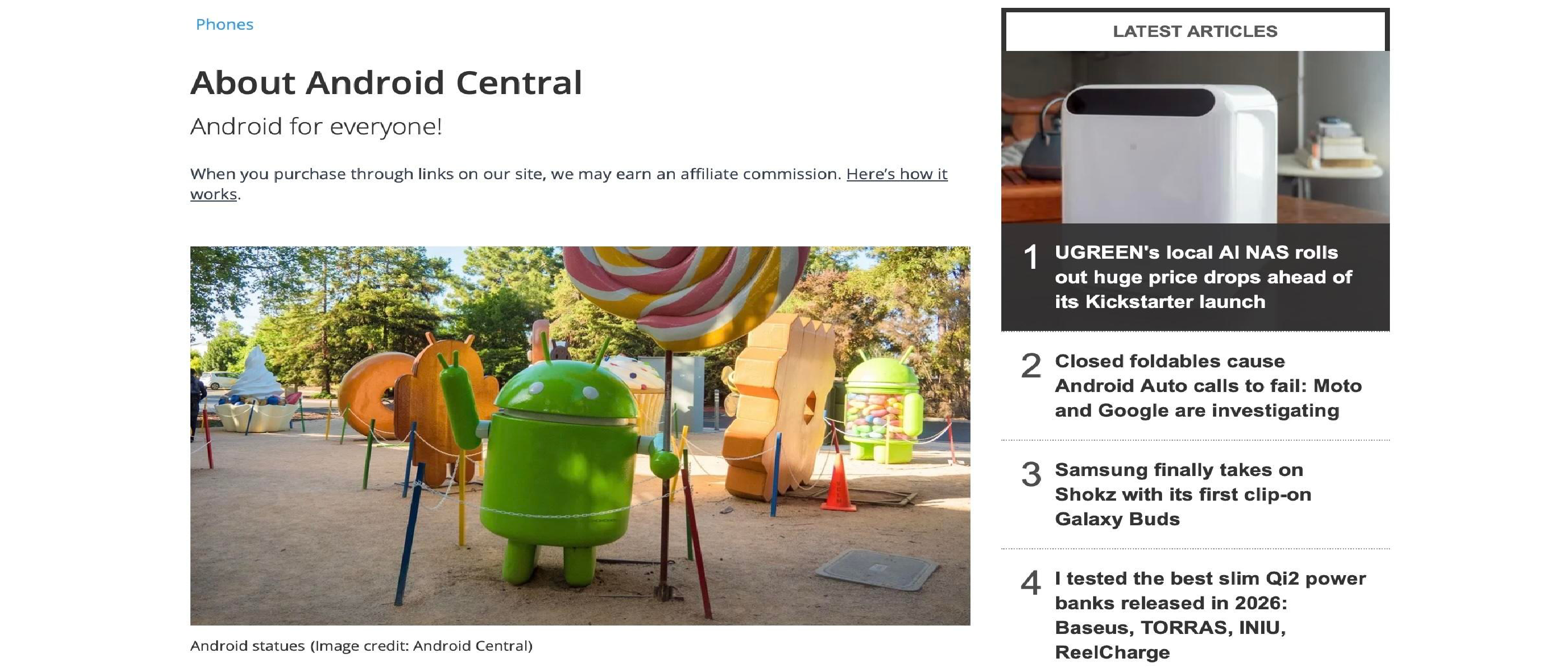
Android Central, a long‑standing voice in the Android ecosystem, shocked its readership when it announced that its entire editorial team had been let go. The news broke through a series of LinkedIn posts from former staff members—Shruti Shekar, Derrek Lee, Harish Jonnalagadda, and Nicholas Sutrich—who confirmed that all remaining employees were dismissed. The site’s managing editor, Derrek Lee, and senior editor Nicholas Sutrich both emphasized that the layoffs were total; no one on the staff page remained.
Future, the parent company that owns Android Central, quickly stepped in to reassure the community. In an interview with The Verge, Future confirmed that the site would continue publishing despite the loss of its core team. However, the former employees were left without clear answers about whether Android Central might eventually shut down or transition to a new operational model.
The abrupt nature of the cuts, combined with the lack of a public roadmap, has generated a flurry of speculation across tech forums, social media, and industry newsletters. While the site’s brand equity remains strong, the practical implications for content production, advertising revenue, and community engagement are now under intense scrutiny.
Why It Matters to the Android Ecosystem
Trust and Credibility
Android Central has built a reputation for in‑depth device reviews, timely software updates, and community‑driven troubleshooting. When a trusted source suddenly loses its editorial staff, readers question the reliability of future coverage. Trust is a non‑transferable asset; once eroded, it can take years to rebuild.
Advertising and Monetization
The site’s advertising partners rely on consistent traffic and high‑quality editorial content to justify spend. A sudden drop in original reporting could lead advertisers to reallocate budgets to competitors such as XDA Developers or Android Authority. This shift would not only affect Android Central’s revenue stream but also reshape the broader Android media landscape.
Talent Retention Across Tech Media
The layoffs serve as a cautionary tale for other niche tech publications. As media conglomerates consolidate assets, the risk of abrupt staff reductions rises. Editors and writers may become more hesitant to join smaller outlets, fearing similar outcomes. This could accelerate a talent drain toward larger platforms that promise greater stability.
Industry Impact: Ripple Effects Beyond Android Central
Consolidation Trends
Future’s decision mirrors a broader industry trend where parent companies streamline operations to cut costs. The move may encourage other media groups to evaluate the viability of maintaining multiple niche sites under a single corporate umbrella. In the long term, we could see a handful of dominant Android news hubs absorbing the audience share of smaller, now‑defunct outlets.
Content Syndication Opportunities
With the editorial team gone, Future might explore content syndication models. By licensing Android Central’s brand and existing archives to third‑party writers or agencies, the site could continue delivering articles without a full‑time staff. This approach would align with practices seen in other media verticals, where legacy brands become curatorial platforms rather than original content generators.
Community‑Driven Contributions
The Android community has a history of stepping in when official channels falter. Forums, Reddit threads, and YouTube channels often fill gaps left by traditional media. If Android Central shifts to a community‑curated model, it could become a hybrid platform that blends professional oversight with user‑generated content—a structure reminiscent of Stack Overflow’s moderation system.
Technical Breakdown: How a Site Can Operate Without an Editorial Team
Content Management System (CMS) Automation
Most modern news sites rely on robust CMS platforms (e.g., WordPress VIP, Contentful) that support automated publishing workflows. Future could leverage these tools to schedule legacy articles, repurpose evergreen content, and push press releases directly from partner feeds. Automation reduces the need for day‑to‑day editorial oversight while maintaining a steady flow of posts.
AI‑Assisted Writing and Curation
Artificial intelligence has matured to the point where it can generate draft articles, summarize press releases, and even produce basic product reviews. While AI cannot fully replace nuanced analysis, it can serve as a first‑pass writer that human editors later refine. Future may invest in AI pipelines to keep the site alive with minimal human input.
Integration with External Data Sources
Android Central’s value proposition includes timely software update trackers and device specifications. By integrating APIs from Google’s Android Open Source Project (AOSP) and OEM partners, the site can automatically publish update alerts, security patch notes, and firmware release schedules. This data‑driven content requires far less editorial labor than feature stories.
Monetization Adjustments
Without a dedicated sales team, Future might shift to programmatic advertising, affiliate links, and native sponsorships that are managed through the CMS. These revenue streams can be optimized using machine‑learning models that match ad inventory with visitor behavior, ensuring that the site remains financially viable even with reduced human oversight.
Comparative Example: Guided Vision on Android
Future’s approach can be contrasted with Google’s rollout of the Guided Vision feature for Android, detailed in our coverage of the Gemini Live launch. That initiative relied heavily on developer documentation, API exposure, and community tutorials—elements that can be automated and distributed without a large editorial staff. (Read more: https://ltdeveloperblogs.github.io/posts/googles-new-guided-vision-feature-can-help-you-read-the-fine-print )
Future Outlook: Scenarios for Android Central’s Next Chapter
| Scenario | Likelihood | Key Drivers | Potential Impact |
|---|---|---|---|
| Pure Automation | Medium | AI writing tools, robust CMS, ad tech | Content volume stays high, quality may vary; brand perception could suffer. |
| Community‑Curated Model | High | Active Android forums, Reddit, YouTube creators | Engages loyal audience, fosters user ownership, but moderation challenges arise. |
| Full Shutdown | Low | Persistent revenue decline, loss of brand relevance | Consolidation of traffic to competitors; loss of archival value. |
| Acquisition by a Larger Media Group | Medium | Interest from entities like Verizon Media or Condé Nast | Rebranding, possible staff reinstatement, integration into broader media ecosystem. |
Future’s public commitment to continue publishing suggests at least a short‑term commitment to keep the brand alive. However, the lack of a clear operational roadmap leaves room for speculation. If the site adopts a hybrid model—combining AI‑generated news with community contributions—it could set a precedent for how niche tech publications survive in an era of shrinking budgets.
Risks to Monitor
- SEO Degradation: Search engines favor fresh, authoritative content. A shift to automated or repurposed articles could lower rankings, reducing organic traffic.
- Community Backlash: Loyal readers may abandon the site if they perceive a decline in editorial quality.
- Regulatory Scrutiny: Automated content generation raises questions about disclosure and compliance, especially in sponsored posts.
Frequently Asked Questions
Q1: Will Android Central still publish original reviews?
A: At present, Future has not detailed a plan for original reviews. The most plausible path is to rely on syndicated reviews or AI‑assisted summaries until a sustainable model is defined.
Q2: How can advertisers continue to trust the platform?
A: Advertisers will likely demand transparent reporting on traffic and engagement metrics. Programmatic ad platforms can provide real‑time data, but the absence of editorial oversight may affect brand safety considerations.
Q3: Is there a chance the site will be sold?
A: Media assets are frequently bought and sold. While no official talks have been disclosed, the market for reputable Android‑focused properties remains active, especially among larger conglomerates seeking niche audiences.
Q4: What does this mean for Android developers seeking coverage?
A: Developers may need to diversify their outreach, targeting multiple outlets and community channels. Relying solely on Android Central for launch announcements could become risky.
Q5: Could the layoffs affect Android security reporting?
A: Potentially. Security coverage often requires deep technical expertise. The loss of seasoned editors may create a gap that other outlets—such as those covering the Zoom annotation flaw (
https://ltdeveloperblogs.github.io/posts/zoomsday-hack-uncovered-using-fewer-than-20-ai-prompts
) and the Zoom zero‑day exploit (
https://ltdeveloperblogs.github.io/posts/zoom-flaw-let-an-attacker-take-over-your-device-including-iphone-and-mac)—might
—might) fill.
Conclusion
The abrupt dismissal of Android Central’s editorial staff underscores the precarious balance between brand value and operational costs in today’s digital media environment. While Future’s pledge to keep the site publishing offers a lifeline, the path forward will likely involve a blend of automation, community participation, and strategic partnerships. The outcome will not only shape Android Central’s future but also serve as a bellwether for how niche tech publications can adapt—or falter—in an era of relentless consolidation.
Source: Original Article