



The Meteorite That Came From Mars
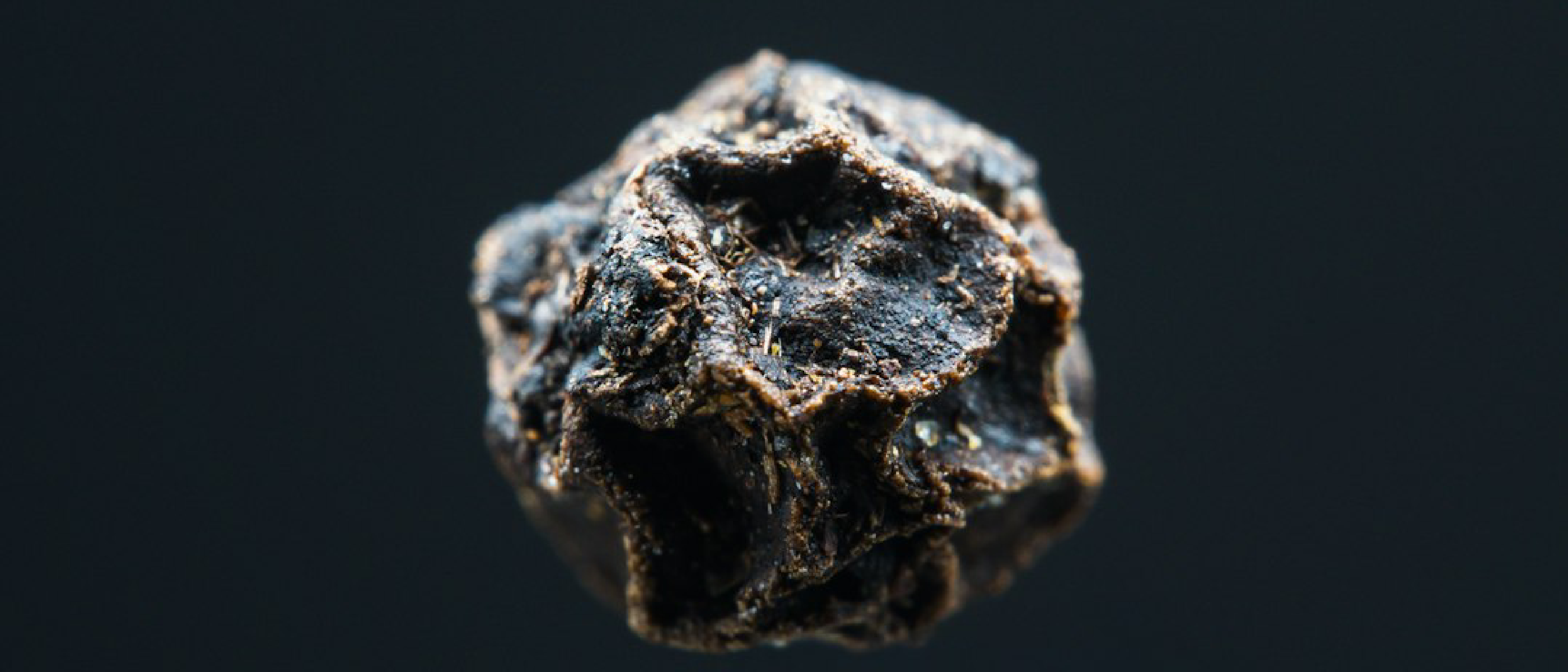
In 2022, a ~2‑pound rock was unearthed in the Sahara Desert, a region that has long served as a natural archive for meteorites and ancient fossils. Dubbed Teghaza 001, this fragment has been confirmed as a piece of Martian crust that formed at least 4.1 billion years ago. Its age places it among the oldest Martian samples ever recovered on Earth, and its composition offers a rare window into the planet’s early geologic and hydrologic history.
The discovery was announced by NASA’s Jet Propulsion Laboratory (JPL) and quickly attracted attention from the planetary science community. Yang Liu, a JPL scientist, described the meteorite as a “Rosetta Stone for Mars,” a metaphor that underscores its potential to decode the Red Planet’s ancient environment.
How Teghaza 001 Was Identified
The identification process combined several advanced techniques:
- Isotopic analysis of oxygen and iron isotopes matched the signature of Martian meteorites.
- Electron microprobe mapping revealed mineral assemblages typical of Martian basaltic crust.
- Laser ablation mass spectrometry confirmed the presence of trace elements that align with Martian geochemical profiles.
These methods, applied in tandem, ruled out terrestrial origins and solidified the meteorite’s Martian provenance. The sample’s journey from the Martian surface to the Sahara involved a high‑velocity impact that ejected it from the planet, followed by a decades‑long interplanetary voyage before it landed in the desert.
Chemical Clues to Mars’ Ancient Hydrosphere
The most striking feature of Teghaza 001 is its tiny apatite crystals, which preserve hydrogen signatures from two distinct sources:
- Interior of Mars (magmatic origin) – Hydrogen incorporated during the crystallization of basaltic magma.
- Ancient Martian hydrosphere – Hydrogen derived from water that once flowed across the planet’s surface.
By measuring the isotopic ratios of hydrogen in these crystals, scientists determined that water and magma interacted roughly 500 million years after Mars’ formation. This early interaction implies that Mars had a volatile‑rich environment much sooner than previously thought.
The sample also preserves evidence of the Martian atmosphere during its water‑loss phase. Subtle shifts in the isotopic composition of oxygen and hydrogen suggest that the planet’s atmosphere was thinning as water vapor escaped into space, a process that likely contributed to the loss of surface liquid water.
Why This Sample Is a Game‑Changer
Teghaza 001 offers several breakthroughs:
- First crustal sample from an unsampled Martian region – Lee Saper highlighted that this is the first piece of Martian crust from a previously unrepresented area of the planet.
- Direct evidence of early water‑rock interactions – No other Martian meteorite has preserved such clear signatures of hydrothermal processes.
- Potential atmospheric record – The meteorite may hold the earliest imprint of Mars’ atmospheric composition during its transition from a wet to a dry world.
These insights refine models of Mars’ early climate and tectonic activity. They also inform the selection of future landing sites for rovers and sample‑return missions, as regions with evidence of past water are prime targets for astrobiology studies.
Implications for Future Mars Exploration
The discovery of Teghaza 001 dovetails with ongoing and planned missions:
- Mars Sample Return – Understanding the distribution of water‑rock interactions helps prioritize which Martian terrains to target for sample collection.
- Atmospheric studies – The meteorite’s atmospheric record complements data from orbiters studying current Martian atmospheric escape.
- Human exploration – Knowledge of early water reservoirs informs resource utilization strategies for future crewed missions.
Moreover, the meteorite’s age and composition provide a benchmark for calibrating instruments on upcoming missions. By comparing in‑situ measurements with laboratory analyses of Teghaza 001, scientists can refine the accuracy of remote sensing data.
The significance of this find also echoes the broader narrative of planetary science, where serendipitous meteorite discoveries have historically reshaped our understanding of planetary evolution. For instance, the Swift Observatory’s recent demise—an event chronicled in detail in the article Swift Observatory’s Fiery End: A Legacy Re-enters —highlights how space-based observations complement ground‑based meteorite studies. Both approaches together paint a more complete picture of the solar system’s history.
FAQ
What makes Teghaza 001 different from other Martian meteorites?
Teghaza 001 contains apatite crystals that preserve hydrogen signatures from both Martian magma and ancient surface water, a combination not seen in other meteorites. This dual record allows scientists to trace early water‑rock interactions directly.
How was the age of 4.1 billion years determined?
Radiometric dating of the meteorite’s mineral phases, particularly using uranium‑lead and potassium‑argon systems, yielded an age of 4.1 billion years, placing it among the oldest Martian samples.
Why is the Sahara a good place to find meteorites?
The Sahara’s arid climate preserves meteorites for millions of years. Its vast, flat terrain and low vegetation cover make meteorite hunting more efficient, and the region’s geological stability reduces the risk of weathering.
Does Teghaza 001 suggest Mars once had oceans?
While the meteorite itself does not directly prove the existence of oceans, the preserved water‑rock interactions indicate that liquid water was abundant enough to alter the planet’s crust, supporting the hypothesis of ancient lakes or seas.
How will this discovery influence future rover missions?
Future rovers may prioritize sites with similar mineralogical signatures, increasing the likelihood of encountering evidence of past habitability. The data also help refine models of Mars’ thermal evolution, guiding instrument selection.
Source: Original Article