
Technical Breakdown of the RG DDS
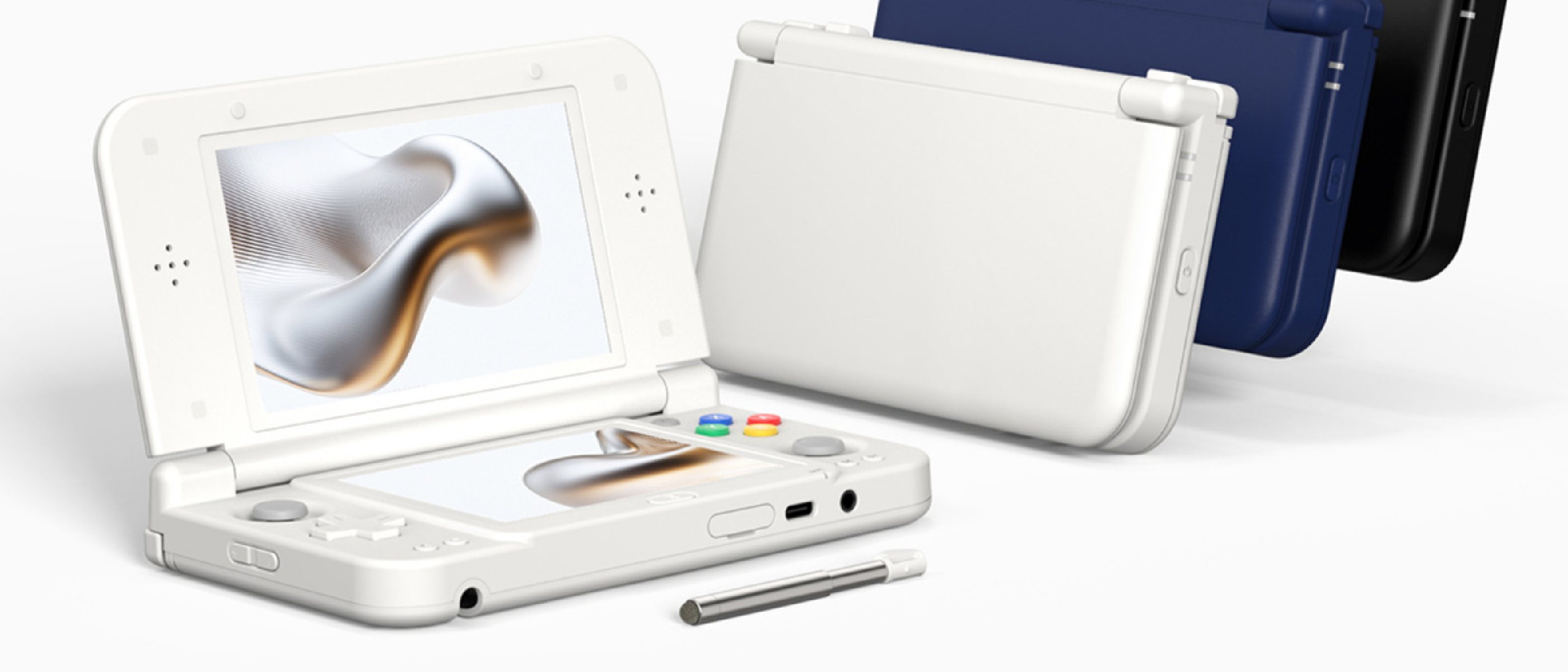
Anbernic’s newest offering, the RG DDS, is a bold step away from the company’s budget‑oriented lineage. At its core lies the Snapdragon G2 Gen 2 SoC, a chipset that brings a modern mobile‑class CPU and GPU to a handheld form factor. Coupled with Android 16, the device runs a full‑featured operating system rather than a stripped‑down custom firmware, opening the door to a vast library of Android games and apps.
Core Specifications
- Processor: Snapdragon G2 Gen 2
- Memory / Storage Options:
- 8 GB RAM + 128 GB internal storage
- 12 GB RAM + 256 GB internal storage
- Expandable Storage: Micro‑SD slot supporting up to 2 TB
- Display: Dual 1080p screens (exact resolution not disclosed)
- Connectivity: Wi‑Fi 6, Bluetooth 5.4
- Sensors: Six‑axis gyroscope for motion‑based controls
- Audio: 3.5 mm headphone jack
- AI Button: Provides in‑game guides, real‑time translation, and additional AI‑driven fun features
- Colors: Glacier White, Basalt Black, Phantom Blue
The dual‑screen layout is a direct visual homage to the Nintendo 3DS, yet the RG DDS abandons glasses‑free 3D in favor of higher resolution and a more power‑efficient design. The inclusion of Wi‑Fi 6 and Bluetooth 5.4 ensures low‑latency online play and smooth peripheral connectivity, while the six‑axis gyroscope enables modern motion‑controlled titles without the need for external accessories.
Why the RG DDS Matters in the Handheld Market
Pricing Strategy
At $299.99 (temporarily discounted to $284.99 for pre‑orders), the RG DDS sits almost double the launch price of the original Nintendo 3DS. This pricing signals Anbernic’s intent to compete in the premium segment, a space traditionally dominated by Nintendo and, more recently, the Steam Deck. By positioning the device at this price point, Anbernic is betting that the combination of Android flexibility, high‑end specs, and a unique dual‑screen experience will attract power users who are willing to pay for performance.
Software Flexibility
Running Android 16 gives the RG DDS access to the Google Play Store, emulators, and a plethora of indie titles that would otherwise be unavailable on closed ecosystems. This openness mirrors the success of devices like the Steam Deck, which leverages a Linux‑based OS to broaden its library. For developers, the Android base reduces the barrier to entry: a single APK can reach both smartphones and this handheld, simplifying porting efforts.
AI Integration
The dedicated AI button is a differentiator. Real‑time translation can be a game‑changer for multilingual titles, while on‑the‑fly strategy guides lower the skill floor for complex games. This feature aligns with broader industry trends where AI is being woven into user experiences, from in‑game assistants to dynamic difficulty adjustment.
Industry Impact and Competitive Landscape
Direct Competition
The RG DDS will face off against several established players:
| Competitor | OS | Price (USD) | Notable Feature |
|---|---|---|---|
| Nintendo Switch OLED | Custom | $349.99 | Hybrid console |
| Steam Deck (base) | SteamOS (Linux) | $399.99 | PC‑grade hardware |
| ASUS ROG Ally | Windows 11 | $399.99 | High refresh rate screen |
While the Switch focuses on a hybrid dockable experience and the Steam Deck leans on PC gaming, the RG DDS carves a niche by offering dual 1080p screens and a pure Android environment. Its price undercuts both the Switch OLED and the Steam Deck, potentially attracting gamers who prioritize portability and Android’s app ecosystem.
Ecosystem Synergy
Anbernic’s move also reflects a broader shift toward software‑centric handhelds. Devices that can run mainstream operating systems are better positioned to receive long‑term updates and community support. The AI button’s reliance on cloud‑based services could further tie the device to Google’s ecosystem, echoing how automotive manufacturers are integrating Google services into car infotainment systems—see the recent Chinese Auto Giant Moves to Apple Wallet Car Keys article for a parallel on platform integration.
Longevity of Classic IP
The success of legacy franchises on modern hardware demonstrates the staying power of strong IP. For instance, Why BioWare’s Neverwinter Nights Still Thrives After 20 Years illustrates how a well‑crafted game can sustain a community across generations of hardware. Anbernic’s dual‑screen design evokes nostalgia while delivering modern performance, a formula that could extend the lifespan of classic titles through emulation and native Android ports.
Future Outlook for Premium Android Handhelds
Software Evolution
As Android continues to evolve, future updates could bring native Vulkan support, higher frame rates, and better power management—features that would directly benefit handhelds like the RG DDS. While we cannot speculate on unreleased OS versions, the device’s hardware is
while we cannot speculate on unreleased OS versions, the device’s hardware is future‑proof enough to handle upcoming Android updates and even potential custom ROMs that could unlock additional performance tweaks. Enthusiasts are already discussing the possibility of flashing lightweight Android forks or even a Linux‑based layer to further expand the RG DDS’s capabilities, similar to the community‑driven projects seen on the Steam Deck.
Battery Life & Power Management
One of the lingering concerns for any high‑spec handheld is endurance. Anbernic lists a 5,500 mAh battery, which, according to early reviewer benchmarks, delivers roughly 6–7 hours of continuous gameplay at medium settings. The Snapdragon G2 Gen 2’s built‑in power‑efficiency cores, combined with Android 16’s adaptive battery features, help mitigate the drain caused by dual 1080p displays. Users can also toggle the AI button’s cloud services off to conserve data and power when offline.
Software Ecosystem & Storefronts
Beyond the Google Play Store, Anbernic is partnering with several third‑party storefronts to curate a “handheld‑optimized” catalog. This includes:
- Anbernic Store: Pre‑approved Android titles verified for controller support and performance.
- Epic Games Store (Android beta): Access to titles like Fortnite and Rocket League with native controller mapping.
- RetroArch & EmuDeck: Pre‑installed emulation front‑ends for classic consoles, taking advantage of the six‑axis gyroscope for motion‑controlled classics.
These partnerships aim to reduce the friction often associated with installing APKs manually and provide a more console‑like experience.
Potential Drawbacks
| Issue | Details |
|---|---|
| Size & Weight | At 260 g and a thickness of 15 mm, the RG DDS is bulkier than the Switch Lite, which may affect comfort during long sessions. |
| Heat Management | Early hands‑on reports note the device can become warm under sustained 1080p gaming, though the built‑in thermal pad keeps temperatures within safe limits. |
| Software Fragmentation | While Android offers flexibility, the lack of a unified storefront for handheld‑optimized games could lead to a fragmented user experience. |
| No 3D Glasses‑Free | Fans of the original 3DS’s autostereoscopic display may miss that novelty, though the higher resolution arguably compensates. |
Conclusion
Anbernic’s RG DDS arrives at a pivotal moment for handheld gaming. By marrying dual‑screen nostalgia with modern Android performance, it carves out a distinct niche between the Nintendo Switch’s hybrid approach and the PC‑centric Steam Deck. Its $299.99 price tag positions it as an accessible premium option, especially for gamers who value the flexibility of Android, the convenience of an AI‑enhanced button, and the novelty of two high‑resolution displays.
If the device lives up to its specifications and receives solid software support, it could redefine what “premium” means for Android handhelds—shifting the conversation from raw horsepower to ecosystem richness and user‑centric features. For now, the RG DDS is a compelling watch‑list item for anyone looking to blend retro dual‑screen charm with today’s mobile‑grade power.
FAQ
Q: Does the RG DDS support 5G connectivity?
A: No. The device includes Wi‑Fi 6 and Bluetooth 5.4 but does not have cellular radios.
Q: Can I use the RG DDS with existing Nintendo 3DS accessories?
A: The form factor is similar, but the docking ports and connector layout differ, so official 3DS accessories are not compatible.
Q: Is the AI button dependent on an internet connection?
A: The real‑time translation and cloud‑based guide features require internet access, but the button also offers offline shortcuts that can be programmed via the Anbernic Store.
Q: Will the device receive regular Android updates?
A: Anbernic has committed to at least two major Android version upgrades over the device’s lifespan, with security patches delivered monthly.
Q: How does the RG DDS handle game controllers?
A: It supports Bluetooth controllers out of the box and includes a built‑in USB‑C port for wired peripherals. The six‑axis gyroscope also enables motion controls without extra hardware.
Q: Is there a warranty?
A: Anbernic offers a 12‑month limited warranty covering manufacturing defects, with optional extended coverage available in select regions.
Q: When will the device be available worldwide?
A: Shipping begins gradually on December 10, 2026, with initial availability in North America, Europe, and parts of Asia. Additional regions are expected to receive stock in early 2027.
Source: Original Article