

Overview of the Uber‑Zoox Collaboration
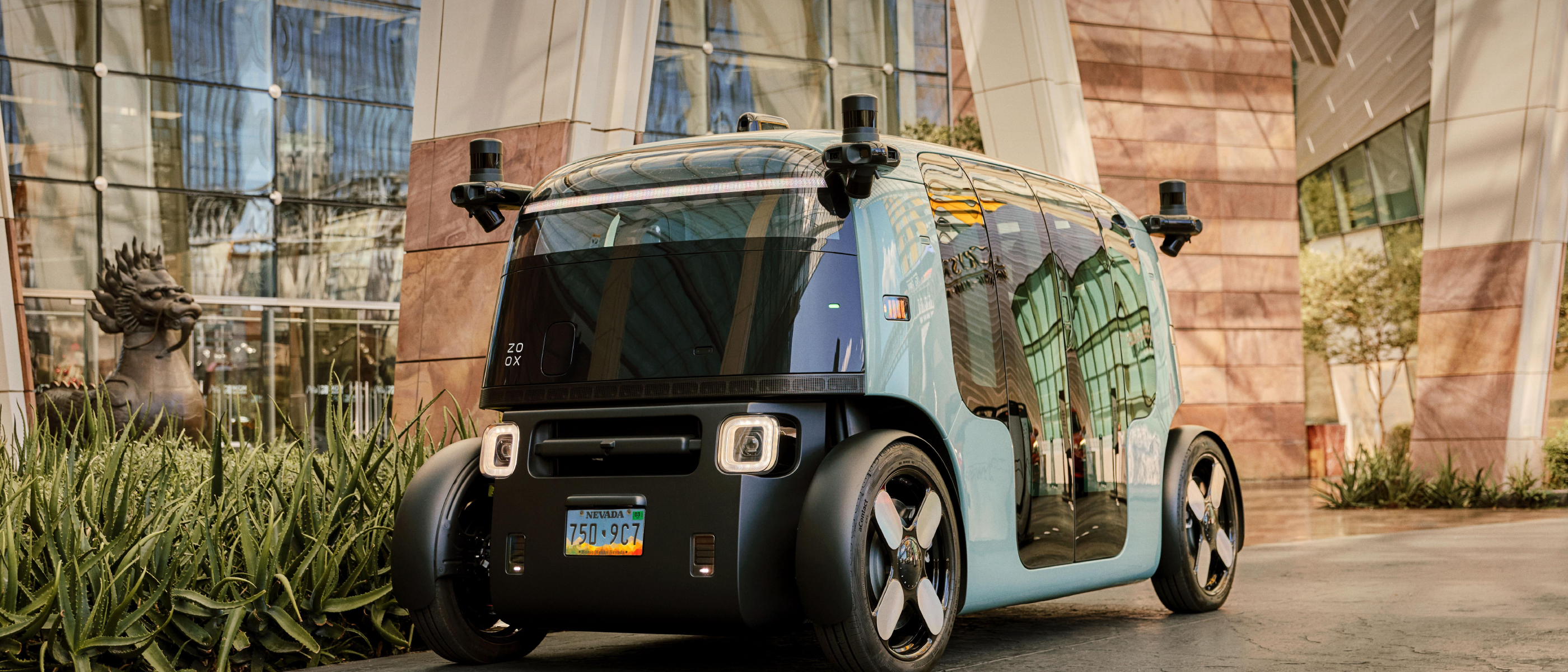
Uber’s latest expansion into autonomous transportation marks a pivotal moment for both companies. Starting today, riders in Las Vegas can request Zoox’s purpose‑built, steering‑wheel‑free robotaxis through the Uber app. The service is available across several Uber ride types—Uber X, Uber Comfort, Uber Electric, Uber Comfort Electric, and Wait & Save—without any additional cost. This partnership is the first instance of Zoox opening its fleet to a third‑party platform and the first time Uber integrates a purpose‑built autonomous vehicle into its network.
The move follows Uber’s previous collaboration with Waymo in Phoenix, underscoring a broader strategy to diversify its autonomous fleet. By leveraging Zoox’s bidirectional, fully autonomous design, Uber can offer a more consistent, scalable, and potentially safer ride‑sharing experience in a city known for its high traffic volumes and complex urban layout.
Technical Breakdown of Zoox Robotaxis
Vehicle Architecture
Zoox’s robotaxis are engineered from the ground up for autonomous operation:
- Steering‑wheel‑free design: Eliminates the need for a human driver’s controls, allowing the vehicle to operate without a conventional steering column.
- Bidirectional travel: Capable of driving forward and backward on the same lane, which simplifies navigation in tight urban spaces.
- Purpose‑built chassis: Optimized for sensor placement, weight distribution, and energy efficiency, enhancing safety and performance.
Sensor Suite and Perception
The vehicles are equipped with a dense array of sensors:
- Lidar: Provides high‑resolution 3D mapping of the environment.
- Cameras: Capture visual data for object recognition and lane detection.
- Radar: Offers robust detection of objects in adverse weather conditions.
- Ultrasonic sensors: Aid in close‑range obstacle detection during parking and low‑speed maneuvers.
These sensors feed into Zoox’s perception stack, which processes data in real time to identify pedestrians, cyclists, other vehicles, and static obstacles. The system uses machine learning models trained on millions of hours of driving data to predict trajectories and make safe navigation decisions.
Control and Decision-Making
Zoox’s control architecture relies on a hierarchical decision‑making framework:
- High‑level planning: Determines the optimal route and overall strategy, taking into account traffic conditions, rider preferences, and regulatory constraints.
- Mid‑level motion planning: Generates smooth, collision‑free trajectories that respect vehicle dynamics and road geometry.
- Low‑level control: Executes steering, acceleration, and braking commands to follow the planned trajectory precisely.
The system continuously monitors sensor inputs and adjusts the plan in real time, ensuring safe operation even in dynamic urban environments.
Why This Partnership Matters
Democratizing Autonomous Mobility
By integrating Zoox’s robotaxis into the Uber app, the partnership brings autonomous rides to a broader consumer base. Riders can experience fully autonomous travel without paying extra, lowering the barrier to entry and accelerating public acceptance of self‑driving technology.
Enhancing Fleet Efficiency
Zoox’s purpose‑built design reduces maintenance overhead compared to retrofitted vehicles. The absence of a steering wheel and driver’s seat allows for tighter packing of passenger space, potentially increasing revenue per vehicle. Moreover, the bidirectional capability simplifies parking and repositioning, reducing idle time.
Strengthening Uber’s Competitive Position
Uber’s autonomous strategy has faced criticism for slow progress and limited deployment. This collaboration signals a tangible step forward, positioning Uber as a leader in autonomous ride‑sharing. It also diversifies Uber’s supply chain, reducing reliance on a single partner and mitigating risk.
Industry Impact
Shifting the Autonomous Vehicle Landscape
The partnership illustrates a new model where autonomous vehicle manufacturers partner directly with ride‑sharing platforms. This contrasts with the traditional approach of selling vehicles to fleet operators. It encourages a more integrated ecosystem where software, hardware, and service platforms co‑evolve.
Regulatory Implications
Operating autonomous vehicles in Las Vegas requires compliance with Nevada’s evolving regulatory framework. The collaboration may prompt regulators to refine guidelines for third‑party autonomous fleets, potentially setting precedents for other jurisdictions.
Market Dynamics
Other autonomous vehicle developers—such as Aurora, Waymo, and Tesla—may feel pressure to accelerate similar partnerships. The move could spur increased investment in purpose‑built autonomous platforms and stimulate competition in the autonomous ride‑sharing market.
Future Outlook
Expansion Beyond Las Vegas
If the pilot proves successful, Uber may roll out Zoox robotaxis to other cities. The scalability of Zoox’s design makes it suitable for varied urban environments, from dense downtown cores to suburban corridors.
Integration of Electric Powertrains
Zoox’s current fleet includes electric vehicles, aligning with global decarbonization goals. Future iterations may feature higher energy density batteries and faster charging infrastructure, further reducing operational costs.
Data Sharing and AI Advancement
The partnership will generate vast amounts of real‑world driving data. Both Uber and Zoox can leverage this data to refine perception models, improve safety metrics, and accelerate the development of next‑generation autonomous systems.
Frequently Asked Questions
Q: Will riders pay extra for Zoox robotaxis? A: No. Uber has stated that there is no additional charge for riders matched with a Zoox vehicle.
Q: Which Uber ride types are available with Zoox? A: Uber X, Uber Comfort, Uber Electric, Uber Comfort Electric, and Wait & Save.
Q: How does the robotaxi handle traffic in Las Vegas? A: Zoox’s sensor suite and decision‑making algorithms enable real‑time adaptation to traffic conditions, ensuring safe navigation through complex urban routes.
Q: Is this partnership limited to Las Vegas? A: Currently, the service is available only in Las Vegas, but Uber and Zoox have indicated plans to expand to additional markets if the pilot succeeds.
Q: Where can I read more about Zoox robotaxis on Uber? A: For a detailed overview, see the article on Zoox robotaxis arriving on the Uber app in Las Vegas: Zoox Robotaxis Are Now On The Uber App In Las Vegas.
Conclusion
Uber’s integration of Amazon‑owned Zoox robotaxis into its Las Vegas fleet represents a landmark step toward mainstream autonomous mobility. By combining Zoox’s purpose‑built, steering‑wheel‑free design with Uber’s global ride‑sharing platform, the partnership delivers a scalable, cost‑effective solution that benefits riders
benefits riders by offering a seamless, driver‑less experience while reducing wait times, emissions, and overall trip costs. As the first large‑scale deployment of a purpose‑built autonomous fleet on a third‑party ride‑hailing app, this collaboration sets a new benchmark for how cities might integrate self‑driving technology into everyday mobility.
Potential Challenges and Considerations
- Public Perception & Trust – Despite the no‑extra‑charge incentive, some passengers may still feel uneasy riding in a vehicle without a human driver. Ongoing education and transparent safety reporting will be crucial.
- Infrastructure Compatibility – Las Vegas’ road network, with its mix of high‑speed corridors and dense downtown streets, will test Zoox’s bidirectional capabilities. Continuous mapping updates and real‑time traffic integration are essential.
- Regulatory Scrutiny – Nevada’s autonomous vehicle regulations are among the most progressive in the U.S., but any incident could trigger tighter oversight, affecting rollout speed.
- Scalability Limits – While Zoox’s design allows for tighter packing, the current fleet size in Las Vegas is modest. Scaling to meet peak demand will require significant vehicle production and charging infrastructure investments.
What to Watch For
| Metric | Why It Matters | Expected Timeline |
|---|---|---|
| Ride‑completion success rate | Indicates reliability of the autonomous stack in real‑world conditions. | Ongoing, with monthly public reports. |
| Average wait time | Directly impacts rider satisfaction and competitiveness vs. traditional Uber rides. | Quarterly updates; aim for ≤5 min in core zones. |
| Energy consumption per mile | Reflects operational efficiency and environmental impact. | Data release after 6 months of operation. |
| Safety incident frequency | Core to public trust and regulatory compliance. | Continuous monitoring; zero‑fatality target. |
| Geographic expansion | Signals confidence in the model and potential market reach. | Potential rollout to Phoenix, Austin, and Miami in 2027‑2028. |
Industry Reactions
- Analysts: Many see the partnership as a “proof‑of‑concept for a new autonomous mobility ecosystem,” predicting that similar collaborations could double the number of autonomous rides available in the U.S. by 2030.
- Competitors: Waymo’s spokesperson noted that “competition drives innovation,” while Aurora’s CEO hinted at exploring “third‑party platform integrations” in the near future.
- Local Government: The Las Vegas City Council praised the initiative for aligning with the city’s “Smart Mobility Vision 2035,” emphasizing potential reductions in traffic congestion and carbon emissions.
Final Thoughts
The Uber‑Zoox integration in Las Vegas is more than a novelty; it is a tangible step toward a future where autonomous vehicles are a routine part of urban transportation. By removing the driver’s seat, leveraging a purpose‑built chassis, and embedding the service within Uber’s massive rider base, the partnership tackles two of the biggest hurdles for autonomous mobility: scale and accessibility. If the pilot meets its safety and performance targets, it could accelerate the shift from experimental test fleets to everyday, on‑demand driverless rides across the United States.
Additional Frequently Asked Questions
Q: How are safety drivers involved, if at all? A: In the current Las Vegas rollout, Zoox robotaxis operate without onboard safety drivers. However, remote monitoring teams can intervene if the vehicle encounters an edge case that exceeds its autonomous capabilities.
Q: Will riders be able to request a specific vehicle type (e.g., a larger capacity robotaxi)? A: At present, the service matches riders with the nearest available Zoox robotaxi regardless of passenger count. Future updates may introduce options for larger groups.
Q: How does Uber handle payment for Zoox rides? A: Payments are processed through the standard Uber app workflow. Riders are not charged any premium for the autonomous vehicle; fares are calculated using the same pricing algorithm as conventional Uber rides.
Q: What happens if a rider prefers a human‑driven Uber vehicle? A: Riders can simply select a non‑Zoox ride option (e.g., Uber X with a driver) within the app. The matching algorithm respects user preferences when they are explicitly set.
Q: Are there any accessibility features for riders with disabilities? A: Zoox robotaxis are designed with a flat floor and wide doors to facilitate easier boarding. Uber is working with Zoox to ensure compliance with the Americans with Disabilities Act (ADA) and plans to introduce dedicated accessibility options in future updates.
Source: Original Article