





Why This Approval Is a Game‑Changer
Amazon’s autonomous‑vehicle arm, Zoox, has secured the first regulatory exemption from the National Highway Traffic Safety Administration (NHTSA) that allows a steering‑wheel‑free robotaxi to offer paid rides. This milestone is not just a corporate win; it signals a seismic shift in how the United States will regulate and deploy fully autonomous vehicles (AVs) that lack traditional manual controls.
The NHTSA’s new exemption pathway, opened in 2025, is specifically designed for domestic AV manufacturers that do not include a steering wheel, pedals, or other conventional driver interfaces. Zoox’s approval to deploy up to 2,500 vehicles annually for two years sets a precedent that could accelerate the commercial rollout of similar systems from other innovators.
Technical Breakdown of Zoox’s “Box‑Like” Robotaxi
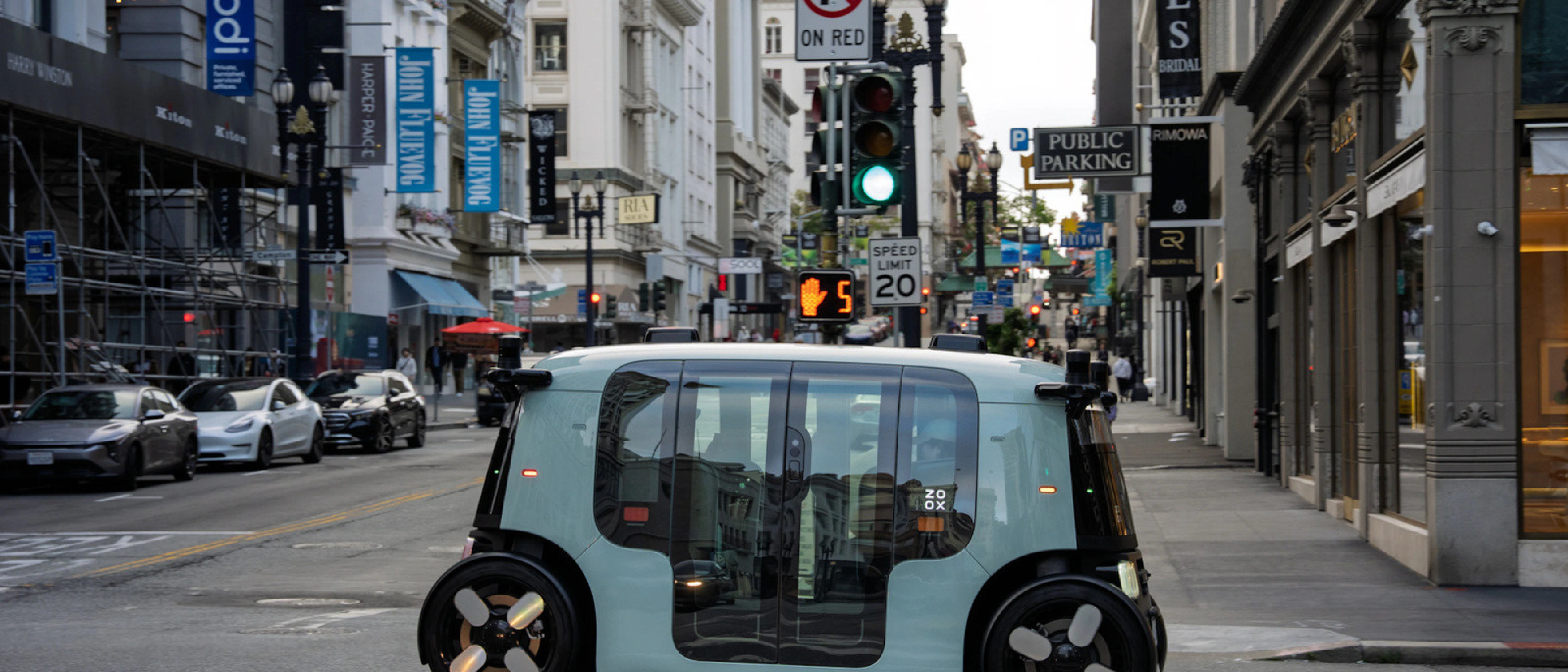
Zoox’s vehicle design departs radically from the conventional car silhouette. The company describes its cars as “quirky box vehicles” that resemble single‑carriage trams more than typical passenger cars. Key technical aspects include:
- Steering‑wheel‑free architecture: The vehicle relies entirely on a suite of sensors—lidar, radar, cameras, and ultrasonic arrays—to perceive its environment and navigate without a human driver.
- Redundant control systems: Multiple independent modules handle motion planning, perception, and actuation, ensuring fail‑safe operation if one component fails.
- Compact, modular chassis: The box shape allows for efficient packaging of batteries, computing hardware, and passenger space, optimizing energy density and passenger comfort.
- Adaptive AI: Zoox’s machine‑learning models are continuously updated through data collected from real‑world rides, enabling the system to learn from diverse traffic scenarios.
These features collectively allow Zoox to offer a fully autonomous experience without the need for a driver’s seat or controls, a concept that has long been a regulatory hurdle.
Industry Impact: From Regulation to Market
Regulatory Ripple Effects
NHTSA’s decision to grant a temporary exemption to Zoox demonstrates a willingness to adapt its regulatory framework to emerging vehicle architectures. The agency’s statement—“taking a series of steps to accelerate American automated vehicle (AV) innovation”—underscores a broader policy shift. Other companies, such as Waymo, Cruise, and Tesla, may now pursue similar exemptions, potentially leading to a new class of “steering‑wheel‑free” AVs entering the market.
Market Dynamics
- Competitive advantage: Zoox’s early entry into paid rides in Las Vegas positions Amazon as a pioneer in the robotaxi space, potentially capturing a share of the burgeoning autonomous mobility market.
- Infrastructure demands: Cities will need to adapt street layouts, signage, and traffic management systems to accommodate vehicles that operate without traditional controls.
- Consumer perception: The novelty of a box‑shaped robotaxi could influence public acceptance, either by sparking curiosity or raising safety concerns.
Economic Implications
The exemption allows Zoox to deploy up to 2,500 vehicles annually, creating jobs in software engineering, sensor manufacturing, and fleet operations. Moreover, the two‑year window provides a clear timeline for investors and partners to assess the viability of autonomous ride‑hailing services.
Future Outlook: Expansion Beyond Las Vegas
Zoox’s current deployment plan includes:
- Las Vegas: First paid rides scheduled for next month, marking the debut of a fully autonomous, steering‑wheel‑free robotaxi in a major U.S. city.
- San Francisco: Ongoing testing with no specified paid‑ride timeline yet.
- Additional cities: Dallas, Phoenix, Austin, Miami, and others are slated for future expansion within the two‑year exemption period.
The company’s “enhanced, adaptable oversight structure” ensures that regulatory scrutiny will evolve alongside technological advancements. As Zoox refines its AI models and expands its fleet, the exemption framework may be adjusted to accommodate higher vehicle counts or longer deployment durations.
FAQ
Q: What does the NHTSA exemption allow Zoox to do?
A: It permits Zoox to deploy up to 2,500 steering‑wheel‑free robotaxis for paid rides in the U.S. for a two‑year period, with oversight that adapts to the company’s technological progress.
Q: How does Zoox’s vehicle differ from traditional cars?
A: Zoox’s design eliminates steering wheels and pedals, relying entirely on autonomous control systems. The vehicle’s box‑like shape optimizes sensor placement and passenger space.
Q: Will other companies follow Zoox’s lead?
A: The new exemption pathway opens the door for other domestic AV manufacturers to seek similar approvals, potentially accelerating the commercial deployment of autonomous fleets.
Q: What cities will Zoox serve first?
A: Las Vegas will host the first paid rides, followed by San Francisco for testing, with plans to expand to Dallas, Phoenix, Austin, Miami, and more.
Q: Are there safety concerns with steering‑wheel‑free vehicles?
A: Zoox’s system incorporates redundant sensors and AI models that continuously learn from real‑world data, aiming to meet or exceed current safety standards. The NHTSA’s oversight structure is designed to monitor and enforce these standards.
Connecting the Dots: AI, Regulation, and Innovation
Zoox’s breakthrough sits at the intersection of autonomous vehicle technology, regulatory evolution, and consumer adoption. The company’s reliance on advanced AI mirrors broader trends in the tech industry. For instance, the recent YouTube Fights AI Slop article highlights how platforms are tightening AI content policies to maintain quality and compliance. Similarly, the X Algorithm Update Prioritizes Replies underscores how AI-driven algorithms are being refined to better serve user intent. These developments illustrate a broader ecosystem where AI is becoming more sophisticated, regulated, and integral to everyday services—paralleling Zoox’s journey toward mainstream autonomous mobility.
Moreover, the integration of IoT and sensor technology in Zoox’s vehicles echoes the innovation seen in the Wyze Smart Scale Unveiled post, where consumer devices are becoming smarter and more data‑driven. As autonomous vehicles become more connected, the convergence of AI, IoT, and regulatory frameworks will shape the future of transportation.
Conclusion
Amazon’s Zoox has achieved a historic first: the NHTSA’s approval for a steering‑wheel‑free robotaxi to offer paid rides. This milestone not only validates Zoox’s unique vehicle design but also signals a broader shift in U.S. transportation policy toward accommodating fully autonomous, driver‑less vehicles. As Zoox rolls out its fleet in Las Vegas and beyond, the industry will watch closely to see how this new regulatory pathway influences competition, safety standards, and consumer acceptance. The coming years will determine whether steering‑wheel‑free robotaxis become a common sight on American streets or remain a niche innovation.
Source: Original Article