Event Timing and Announcement Context
Apple’s next major hardware showcase is slated for Wednesday, September 9, a date that aligns with the company’s traditional iPhone launch window. Bloomberg’s Mark Gurman, a long‑standing source for Apple rumors, confirmed that the company is planning to unveil two new AirPods 5 models during this event. The timing is strategic: it follows the release of the AirPods 4 in September 2024 and precedes the anticipated iPhone 17 announcement, allowing Apple to maintain a steady stream of product news.
The September event is expected to be a hybrid affair, featuring both in‑person and virtual components. Historically, Apple has leveraged these events to showcase a mix of hardware, software, and services. By slotting the AirPods 5 announcement into this lineup, Apple signals that wireless audio remains a core pillar of its ecosystem, even as it pushes forward with its flagship smartphone.
Dual AirPods 5 Lineup: ANC vs Non‑ANC
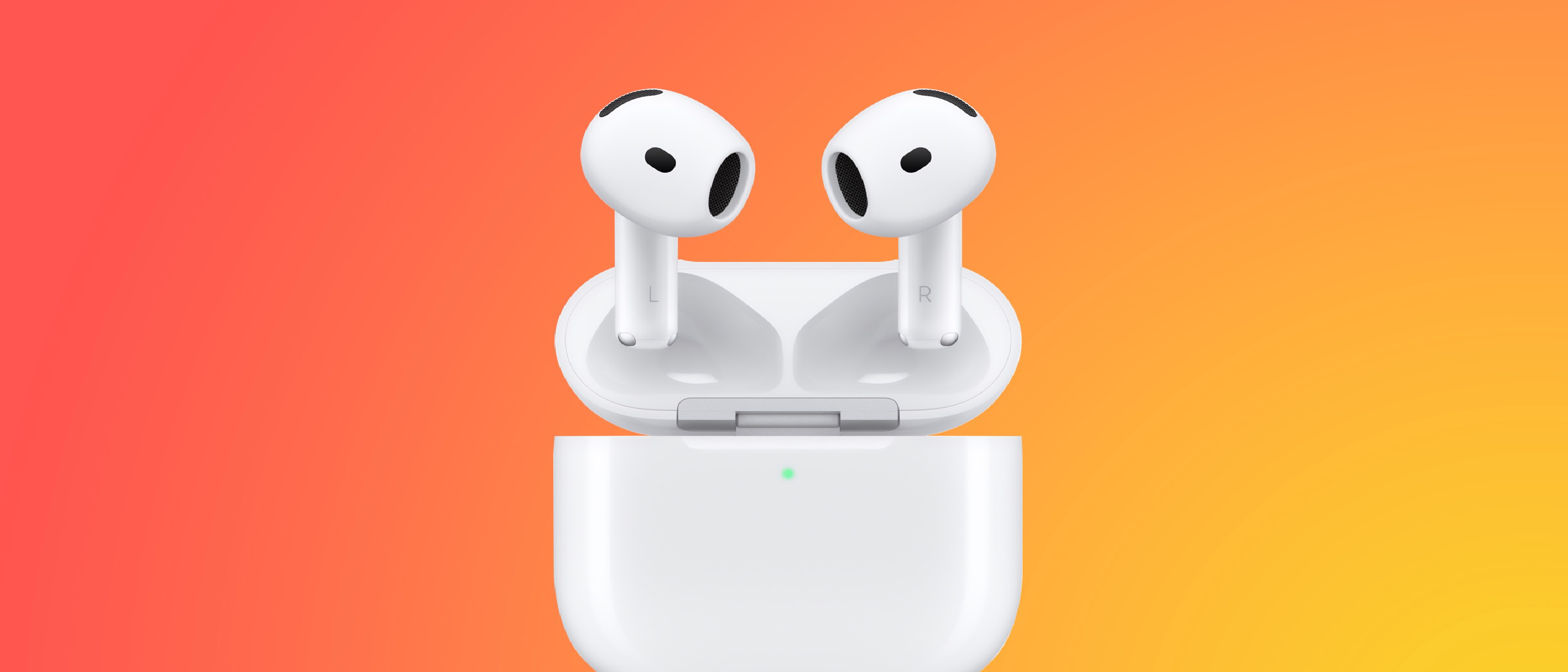
Apple’s decision to release two variants of the AirPods 5—one with active noise cancellation (ANC) and one without—mirrors the strategy used for the AirPods 4. This dual‑model approach offers consumers flexibility while keeping the product line streamlined.
Key Differentiators
- Active Noise Cancellation: The ANC variant incorporates Apple’s proprietary H1 chip and a dedicated ANC module, delivering up to 20 dB of noise reduction in the mid‑to‑high frequency range.
- Non‑ANC Variant: This model removes the ANC circuitry, reducing weight and cost while still providing the high‑fidelity audio Apple is known for.
- Battery Life: Both models are expected to offer 5 hours of listening time on a single charge, with the ANC version slightly lower due to power draw from the cancellation circuitry.
- Charging Case: The standard charging case will support Qi wireless charging and a USB‑C port, maintaining consistency with the AirPods 4 design.
By offering both options, Apple can cater to budget‑conscious users and audiophiles alike, potentially expanding its market share in the competitive wireless earbud segment.
Technical Insights from macOS 26.7 RC
The most concrete evidence of the AirPods 5’s existence comes from the macOS 26.7 Release Candidate code, where references to the new earbuds were discovered last week. While Apple has not released a public specification sheet, the code hints at several technical improvements:
- H1 Chip Enhancements: The new H1 chip appears to support faster hand‑gesture recognition and lower latency, improving the overall user experience.
- Improved Bluetooth 5.3 Support: Enhanced pairing stability and reduced power consumption are expected, aligning with Apple’s focus on battery efficiency.
- Firmware Update Path: The code suggests that the AirPods 5 will receive OTA firmware updates via the iPhone, ensuring that new features and bug fixes can be rolled out seamlessly.
These insights, while preliminary, reinforce the expectation that Apple will continue to refine its wireless audio stack, building on the foundation laid by the AirPods 4.
Pricing Strategy and Market Positioning
Apple’s pricing strategy for the AirPods 5 will likely mirror that of the AirPods 4, which were launched at $129 for the non‑ANC version and $179 for the ANC variant. This tiered pricing model allows Apple to capture a broad spectrum of consumers:
- Entry‑Level Buyers: The $129 model offers a compelling price point for users who prioritize sound quality over noise cancellation.
- Premium Segment: The $179 ANC model targets users who demand superior noise isolation, such as frequent travelers and commuters.
Apple’s pricing also positions the AirPods 5 against competitors like Sony’s WF‑1000XM4 and Samsung’s Galaxy Buds Pro, both of which offer similar ANC capabilities but at slightly higher price points. By maintaining a competitive price, Apple can sustain its dominance in the wireless earbud market.
Industry Impact and Competitor Landscape
The AirPods 5 announcement will reverberate across the audio hardware industry. Key implications include:
- Competitive Pressure: Brands such as Sony, Bose, and Samsung will likely accelerate their own product roadmaps to keep pace with Apple’s innovations.
- Ecosystem Lock‑In: With the AirPods 5 integrated into iOS and macOS, Apple strengthens its ecosystem lock‑in, encouraging users to stay within the Apple ecosystem for a seamless audio experience.
- Software Integration: Features like spatial audio and dynamic head tracking, already present in the AirPods 4, are expected to be refined, further differentiating Apple’s offering.
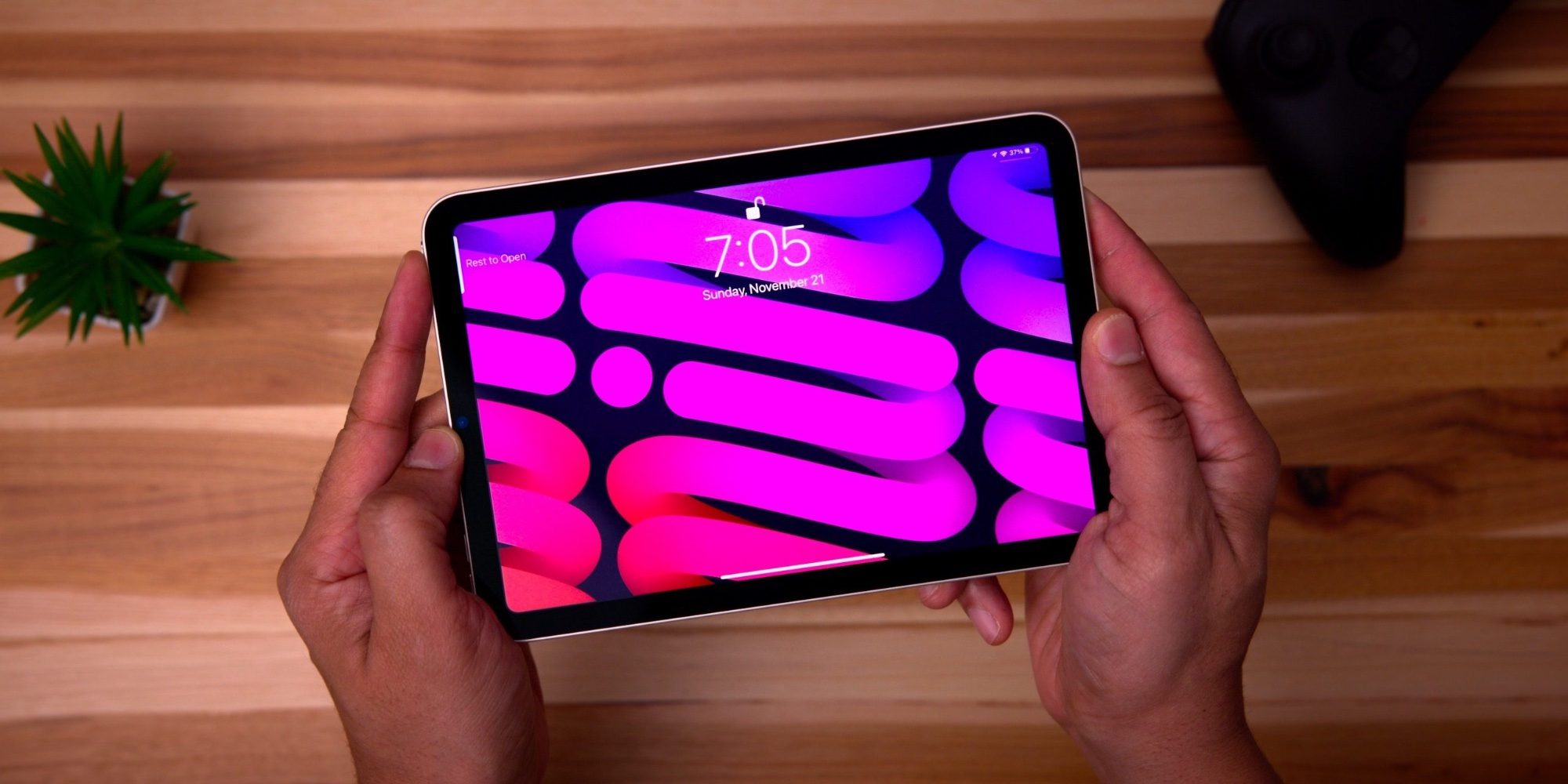
For those interested in how Apple’s hardware strategy intersects with other product lines, the recent Apple iPad mini 2025: OLED screen, chip, water‑resist article provides insight into Apple’s broader hardware roadmap. Meanwhile, the iPhone Trade‑In Value Drops During Apple Announcement piece highlights how Apple’s pricing decisions can influence secondary market dynamics.
Security considerations also play a role. The Zoom Zero‑Day Exploit: Remote Takeover of iPhone & Mac article underscores the importance of secure firmware updates, a factor Apple will need to address with the AirPods 5’s OTA update mechanism. Additionally, the Mac Antivirus Intego One article reminds users of the broader security ecosystem surrounding Apple devices.
Although the Starlink Mini Home Use: Costs, Speed & What’s Next article focuses on satellite internet, it illustrates the growing trend of integrated hardware ecosystems—a trend that Apple continues to champion with its AirPods lineup.
Future Outlook and What to Expect
Looking ahead, several developments are likely:
- Software Enhancements: Apple may introduce new audio profiles, such as a “Studio” mode that optimizes sound for music production, leveraging the AirPods 5’s improved H1 chip.
- Battery Improvements: Future firmware updates could extend battery life by optimizing power management algorithms.
- Accessory Ecosystem: Apple might release new charging cases or accessories that further differentiate the ANC and non‑ANC models.
Consumers should also keep an eye on potential price adjustments. Historically, Apple has occasionally reduced the price of older AirPods models when new versions launch, which could make the AirPods 4 an attractive option for cost‑savvy buyers.
FAQ
Q: Will the AirPods 5 support spatial audio?
A: Yes, Apple has confirmed that both ANC and non‑ANC variants will support spatial audio with dynamic head tracking, a feature first introduced with the AirPods 4.
Q: How does the ANC performance compare to the AirPods 4?
A: While exact figures are not yet released, early reports suggest that the ANC in the AirPods 5 will be comparable to the AirPods 4, with potential improvements in low‑frequency noise cancellation.
Q: Can I pair the AirPods 5 with non‑Apple devices?
A: Absolutely. The AirPods 5 use standard Bluetooth 5.3, making them compatible with any Bluetooth‑enabled device, though certain Apple‑specific features will be limited.
Q: Will there be a new charging case design?
A: Apple is expected to retain the familiar charging case shape, with minor refinements for improved ergonomics and charging efficiency.
Q: When will the AirPods 5 be available for purchase?
A: If announced on September 9, Apple will likely ship the earbuds within a week, with availability in the U.S. and major international markets.
Source: Original Article