
What’s New in the AirPods 5 Lineup?
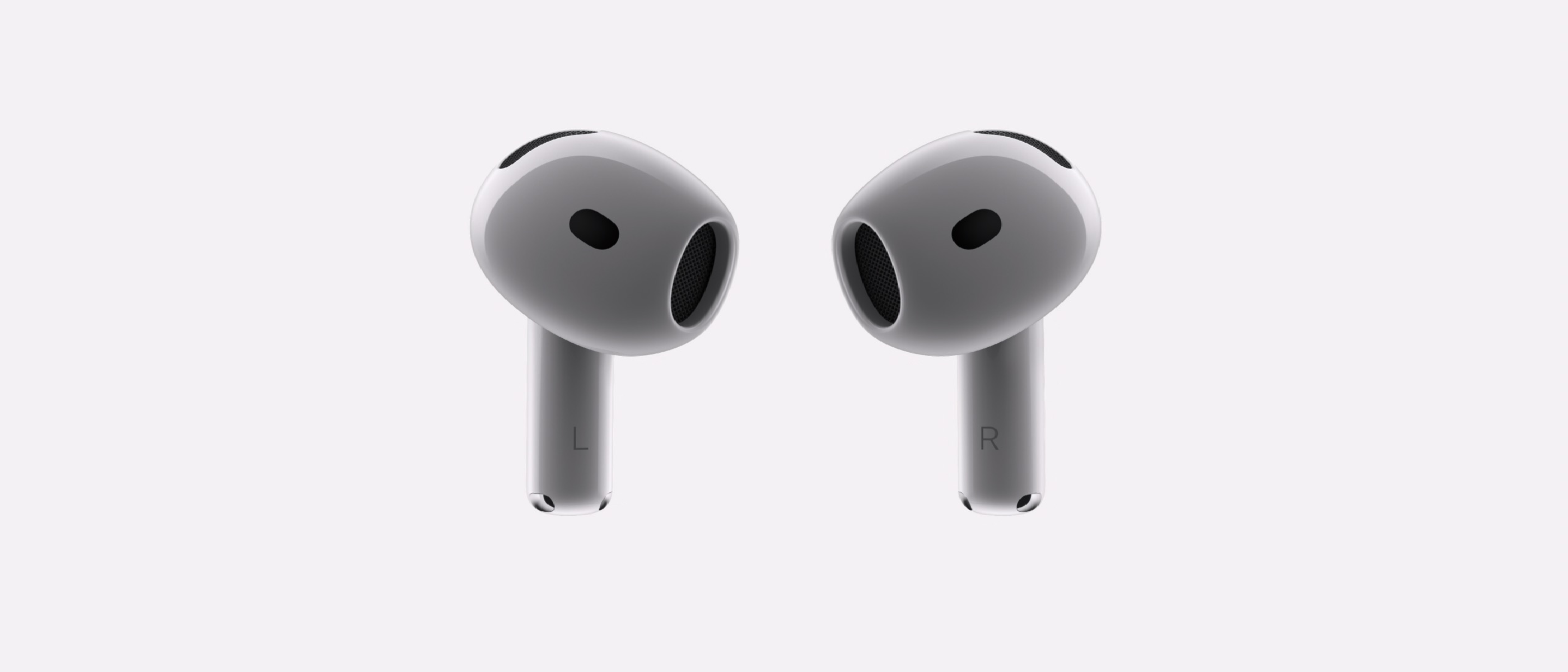
Apple’s latest foray into the true‑wireless earbud market adds Active Noise Cancellation (ANC) to a product that previously sat at the entry‑level tier. Two configurations are offered:
- Base model – $129: Standard charging case, no ANC.
- Wireless‑Charging model – $149: Includes a Qi‑compatible case, swipe‑based volume controls on the stems, and the full ANC suite.
Both versions ship with Apple’s Adaptive Audio engine, which continuously balances ANC and Transparency mode based on ambient sound and the wearer’s activity. The higher‑priced model also promises longer battery life, a claim Apple backs with up to five hours of playback with ANC enabled and a total of 22 hours when the case is used.
Technical Breakdown: Acoustic Architecture and Signal Processing
Redesigned Driver and Port Design
Apple has overhauled the internal acoustic architecture. The new driver layout positions the tweeter closer to the ear canal, improving high‑frequency response while preserving the bass punch that AirPods users expect. A redesigned vent system reduces pressure build‑up, a common complaint with earlier ANC earbuds, allowing the Transparency mode to sound more natural.
Adaptive EQ and Spatial Audio
The updated Adaptive EQ algorithm maps the frequency response of the wearer’s ear in real time, adjusting gain across the spectrum to deliver richer, more detailed sound. When paired with an iPhone running Apple Intelligence, the earbuds can also tap into the device’s on‑device machine‑learning models for Live Translation, converting spoken language in real time without sending audio to the cloud.
ANC Performance Claims
Apple states the AirPods 5 “remove up to 50 % more external noise than AirPods 4 with Active Noise Cancellation.” While the exact decibel reduction isn’t disclosed, independent labs typically measure a 5‑7 dB improvement for a 50 % reduction in perceived loudness. The ANC system uses outward‑facing microphones to capture ambient noise, then generates an anti‑phase signal to cancel it. The Conversation Awareness feature detects the wearer’s voice and automatically lowers playback volume, preventing the user from shouting over the music.
Battery Architecture
The wireless‑charging case adds a larger lithium‑polymer cell, extending total listening time to 22 hours. The case supports Apple Watch, Qi, and USB‑C charging, giving users flexibility across ecosystems. The base case remains USB‑C only, aligning with Apple’s broader transition away from Lightning.
Why It Matters: Positioning in the Competitive Landscape
Bridging the Gap Between Entry‑Level and Premium
Historically, Apple’s entry‑level AirPods (the original, 2nd‑gen, and 3rd‑gen) lacked ANC, reserving that capability for the Pro line. By integrating ANC into the $129‑$149 tier, Apple blurs the line between “budget” and “premium” earbuds. This move pressures competitors such as Samsung (Galaxy Buds 2 Pro) and Sony (WF‑1000XM4) to reconsider pricing strategies, especially as consumers increasingly demand ANC as a baseline feature.
Ecosystem Lock‑In and AI Integration
The Live Translation support, gated behind an iPhone with Apple Intelligence enabled, showcases Apple’s strategy of using AI as a differentiator. By keeping the heavy‑lifting on‑device, Apple sidesteps privacy concerns that have plagued cloud‑based translation services. This approach mirrors the AI‑driven moderation changes at YouTube, where the platform is also tightening on‑device processing to curb “AI slop” — see the related coverage in our article YouTube Fights AI Slop with New Monetization Rules .
Security Implications
Adding microphones for ANC and Transparency inevitably expands the attack surface. While Apple’s Secure Enclave protects audio streams, the Zoom Zero‑Day Exploit: Remote Takeover of iPhone & Mac demonstrated how firmware vulnerabilities can be weaponized. Apple’s track record of rapid patching will be crucial; any flaw in the ANC pipeline could expose users to eavesdropping or spoofed audio attacks.
Industry Impact: Market Trends and Forecast
- Price Compression: With ANC now at $129, the average price for true‑wireless earbuds with ANC is expected to drop by 10‑15 % over the next 12 months.
- Battery Expectations: Consumers will demand longer ANC‑on battery life. Apple’s claim of five hours with ANC is competitive but still trails the 6‑7 hour figures from rivals. Expect future firmware updates to optimize power consumption.
- AI‑Driven Features: The integration of Adaptive Audio and Live Translation signals a broader industry shift toward AI‑enhanced listening experiences. The Zoom Annotation Flaw Patched After AI‑Prompt Exploit article highlighted how AI can both empower and expose products; AirPods 5’s on‑device AI may set a new standard for privacy‑first enhancements.
Future Outlook: What Comes After AirPods 5?
Potential Software Updates
Apple’s ecosystem thrives on incremental software improvements. Future iOS releases could unlock:
- Dynamic ANC Profiles: Tailoring cancellation strength for specific environments (e.g., office vs. airplane).
- Expanded Language Packs for Live Translation, leveraging the on‑device model to add more languages without server calls.
Hardware Evolution
Given Apple’s pattern, a “Pro” version with a smaller form factor and improved drivers may appear within a year, targeting audiophiles while retaining the same ANC engine. The wireless‑charging case’s longer battery life suggests Apple is already testing higher‑capacity cells for a possible “AirPods 5 Pro” iteration.
Integration with Other Apple Devices
The case’s compatibility with Apple Watch charging pads hints at a tighter cross‑device charging ecosystem. Future updates could enable seamless hand‑off of audio streams between AirPods, HomePod, and Vision Pro, creating a unified spatial audio environment.
Frequently Asked Questions
Q1: Does the $149 model include the same ANC performance as the base model?
A: Yes. Both models share the same ANC hardware; the price difference is due to the wireless‑charging case and added swipe volume controls.
Q2: Can I use the AirPods 5 with Android devices?
A: They will pair via standard Bluetooth, but features like Adaptive Audio, Live Translation, and Conversation Awareness require an iPhone with Apple Intelligence enabled.
Q3: How does the swipe‑based volume control work?
A: The wireless‑charging case adds capacitive sensors on the stems. Swiping up or down adjusts volume in 5‑step increments, mirroring the control scheme of the AirPods Pro.
Q4: Are the earbuds water‑resistant?
A: Apple lists an IPX4 rating, meaning they can withstand splashes and sweat but are not suitable for submersion.
Q5: Will the AirPods 5 receive firmware updates for new features?
A: Apple typically releases yearly firmware updates that add or refine features. Expect future enhancements to Adaptive Audio and possibly new ANC modes.
Conclusion
Apple’s AirPods 5 represent a strategic pivot, delivering Active Noise Cancellation to a price point that was previously reserved for non‑ANC earbuds. The combination of a redesigned acoustic architecture, on‑device AI for Adaptive Audio and Live Translation, and a versatile charging case positions the product as a compelling middle ground between entry‑level convenience and premium performance. While battery life with ANC remains modest, the broader industry impact—price compression, heightened AI integration, and increased focus on security—will reverberate across the true‑wireless market for years to come.
Source: Original Article