




Background: Federal vs State Permitting Authority
Since the Clean Air Act of 1970, the Environmental Protection Agency (EPA) has held the primary responsibility for overseeing the permitting process for new or modified sources of air pollution. Under the current framework, the EPA’s New Source Review (NSR) program requires a public notice and a comment period before a facility can begin construction. This mechanism gives nearby residents, NGOs, and local officials a chance to raise concerns about health impacts, cumulative emissions, and cumulative environmental justice considerations.
The Trump administration’s proposed rule change would reallocate that authority to the states. In practice, a state environmental agency could approve a permit without the mandatory federal notice, or could set its own, often shorter, public‑participation timelines. The shift is framed as a “decentralization” effort, but critics argue it creates a patchwork of standards that could allow polluters to sidestep rigorous federal scrutiny.
Technical Mechanics of the Proposed Rule Change
The rule amendment targets Section 110(l) of the Clean Air Act, which permits the EPA to “prescribe” state implementation plans (SIPs) when a state fails to meet federal requirements. The new language would:
- Define “state‑level discretion” as the default decision‑making body for any “major source” of emissions that exceeds the threshold for NSR.
- Eliminate the mandatory 30‑day federal notice to the public, replacing it with a state‑determined notice period that could be as short as 7 days.
- Allow states to waive public comment if they deem the project “economically essential,” a clause that mirrors language used in previous EPA rollbacks on greenhouse‑gas reporting.
From a procedural standpoint, the rule would be codified through the Federal Register after a 30‑day comment period on the proposal itself. However, the public hearing held on Wednesday—where Vanessa Lynch of Moms Clean Air Force testified—served as the first real‑world test of how the agency might interpret “public participation” under the new regime.
Why It Matters: Environmental Justice and Community Rights
Community Notification
For decades, neighborhoods adjacent to power plants, diesel generators, and large‑scale data‑center cooling systems have relied on EPA‑mandated notices to organize, protest, or demand mitigation measures. The proposed rule would strip away that early‑warning system, leaving residents to discover a new polluting facility only after construction has begun.
Health Implications
Air pollutants such as nitrogen oxides (NOₓ), sulfur dioxide (SO₂), and fine particulate matter (PM₂.5) are linked to asthma, cardiovascular disease, and premature death. Data‑center generators—often diesel‑powered for reliability—emit a cocktail of these pollutants. Without a robust public comment process, cumulative exposure assessments may be overlooked, disproportionately affecting low‑income and minority communities.
Legal Precedent
The Clean Air Act explicitly grants the EPA “the authority to enforce” national standards. By delegating that authority, the administration risks undermining the statutory intent of the Act, opening the door to lawsuits from environmental groups and state attorneys general. The Moms Clean Air Force organization, represented by Lynch, has already signaled intent to pursue litigation if the rule is finalized.
Industry Impact: Data Centers, Gas Plants, and Diesel Generators
Data Centers
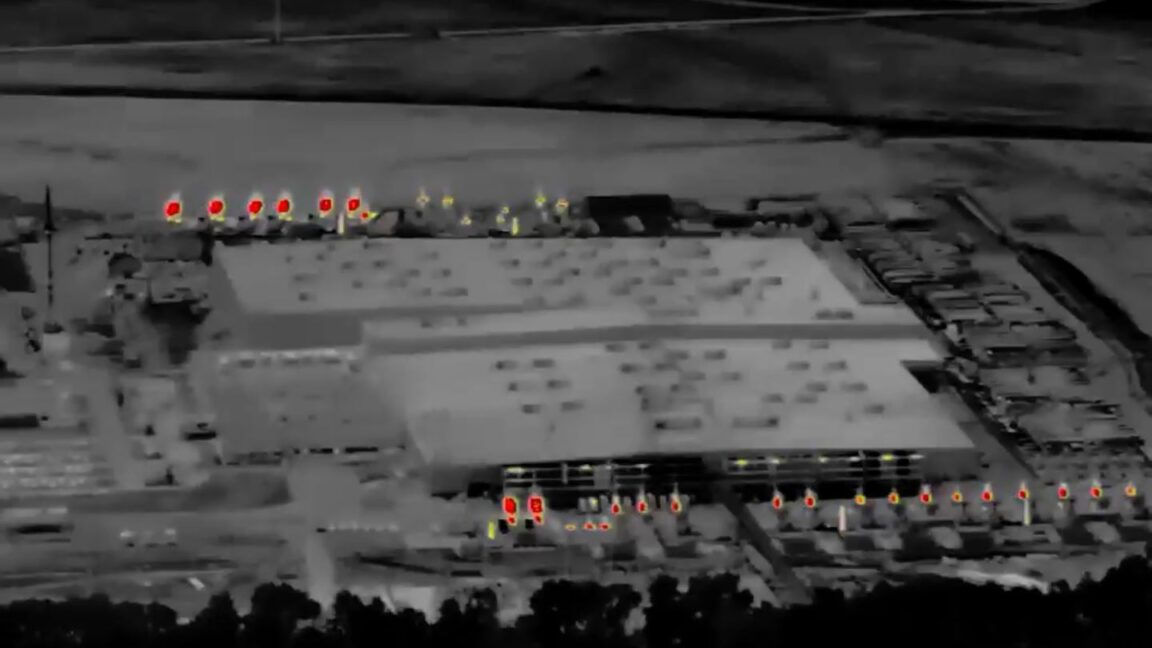
Modern data centers consume up to 100 megawatts of power, often backed by on‑site diesel generators for uninterrupted service. The rule would make it easier for developers to site new facilities near existing industrial zones, bypass
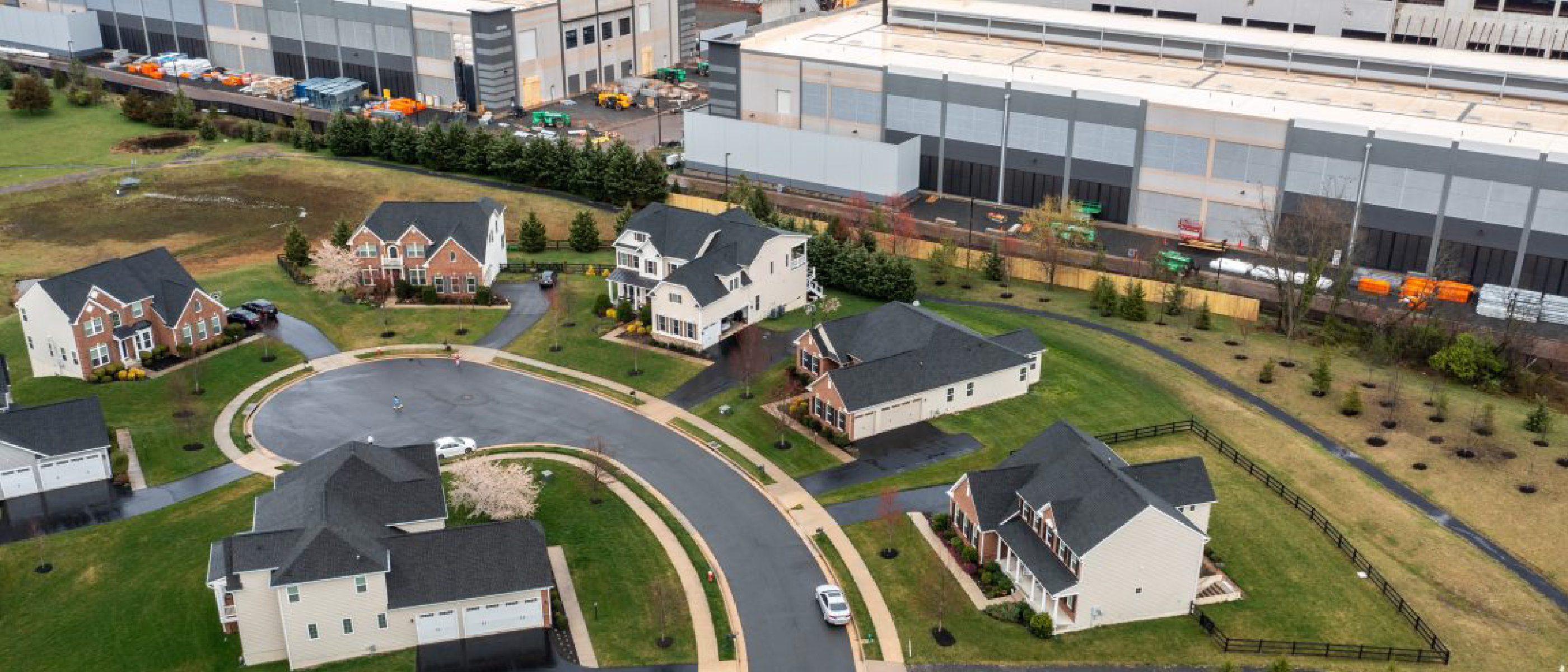
near residential areas without triggering federal public notice requirements. This could accelerate the expansion of hyperscale data centers—particularly in regions like Northern Virginia, known as “Data Center Alley,” where local opposition has already delayed or blocked multiple projects due to air quality concerns.
Gas Plants and Peaker Facilities
The rule change would also streamline permitting for natural gas “peaker” plants—facilities that fire up during periods of high electricity demand. These plants, often located in urban areas, emit significant NOₓ and CO₂ but have faced pushback from communities concerned about localized pollution. Under the proposed framework, states could fast-track approvals, reducing opportunities for public input on siting decisions or emissions controls.
Diesel Generators
Diesel backup generators, commonly used by data centers, hospitals, and industrial facilities, are another major beneficiary of the rule. These generators are exempt from many federal air quality regulations under the “emergency use” loophole, but their routine testing and operation still contribute to air pollution. The proposed shift would allow states to classify these generators as “non-major sources,” further limiting public oversight.
Political and Regulatory Landscape
The proposed rule aligns with the Trump administration’s broader deregulatory agenda, which has included rollbacks of methane emissions standards, vehicle fuel efficiency rules, and the Clean Power Plan. Environmental advocates argue that this latest move is part of a pattern of eroding public participation in environmental decision-making, particularly in communities of color and low-income areas that bear the brunt of industrial pollution.
State-Level Reactions
Some states, particularly those with Democratic leadership, have already signaled resistance. California, New York, and Washington have passed laws strengthening public notice requirements for industrial projects, and attorneys general in these states may challenge the EPA’s authority to delegate permitting power. Conversely, states with Republican leadership or weaker environmental enforcement—such as Texas, Ohio, and Pennsylvania—could use the rule to expedite approvals for polluting facilities.
Legal Challenges
Environmental groups, including the Moms Clean Air Force, the Natural Resources Defense Council (NRDC), and the Sierra Club, are preparing legal challenges. Potential arguments include:
- Violation of the Clean Air Act’s intent: The Act was designed to ensure uniform federal standards, and critics argue that state-level discretion could lead to a “race to the bottom” in environmental protections.
- Failure to consider environmental justice: The EPA is required under Executive Order 12898 to address disproportionate impacts on marginalized communities, but the proposed rule does not include safeguards to prevent states from ignoring these concerns.
- Arbitrary and capricious rulemaking: If the EPA cannot demonstrate that the rule change is based on sound science or public interest, courts may strike it down under the Administrative Procedure Act.
What Happens Next?
The EPA’s 30-day public comment period on the proposed rule is now open, with stakeholders expected to submit thousands of responses. After reviewing comments, the agency could finalize the rule as early as late 2026, though legal challenges could delay implementation.
If the rule takes effect, its impact will depend largely on how states choose to exercise their new authority. Some may maintain robust public participation processes, while others could use the flexibility to approve projects with minimal oversight. For communities already grappling with pollution, the change could mean fewer opportunities to voice concerns and less transparency about what’s being built in their backyards.
Conclusion
The Trump administration’s proposed rule change represents a significant shift in how the U.S. regulates air pollution from industrial sources. By handing permitting authority to states, the EPA risks creating a fragmented system where public participation is no longer guaranteed. For industries like data centers, gas plants, and diesel generators, the rule could reduce regulatory hurdles—but for communities, it may mean less notice, less input, and more pollution.
As Vanessa Lynch of Moms Clean Air Force warned at the EPA hearing, “People want to have a say in what happens in their neighborhoods. This rule would take that away.” Whether through litigation, state-level resistance, or public pressure, the fight over this rule is far from over.
FAQ
1. What is the EPA’s New Source Review (NSR) program?
The NSR program is a key part of the Clean Air Act that requires new or modified industrial facilities to undergo a permitting process if they emit significant amounts of air pollution. This process includes public notice and a comment period to ensure transparency and community input.
2. How would the proposed rule change affect public participation?
The rule would eliminate the mandatory 30-day federal public notice period, allowing states to set their own timelines—potentially as short as 7 days—or waive public comment entirely for “economically essential” projects. This could reduce opportunities for communities to oppose or modify polluting facilities.
3. Which industries would benefit the most from this rule?
Data centers (particularly those relying on diesel generators), natural gas plants, and industrial facilities with backup generators would see the biggest benefits, as the rule would streamline permitting and reduce public scrutiny.
4. Could states still require public notice under the new rule?
Yes, but it would be at their discretion. States with strong environmental laws (e.g., California, New York) may maintain robust public participation processes, while others could weaken or eliminate them.
5. What are the potential health impacts of this rule?
Without federal oversight, communities—especially low-income and minority neighborhoods—could face increased exposure to pollutants like NOₓ, SO₂, and PM₂.₅, which are linked to respiratory diseases, heart conditions, and premature death.
6. Can this rule be stopped?
Yes. Environmental groups, state attorneys general, and affected communities can challenge the rule in court, arguing that it violates the Clean Air Act or fails to protect public health. The outcome of the 2026 election could also influence whether the rule is finalized or reversed.
7. How can the public weigh in on this proposal?
The EPA is accepting public comments on the proposed rule for 30 days after its publication in the Federal Register. Interested parties can submit comments through the EPA’s docket system .
Source: Original Article