



Introduction
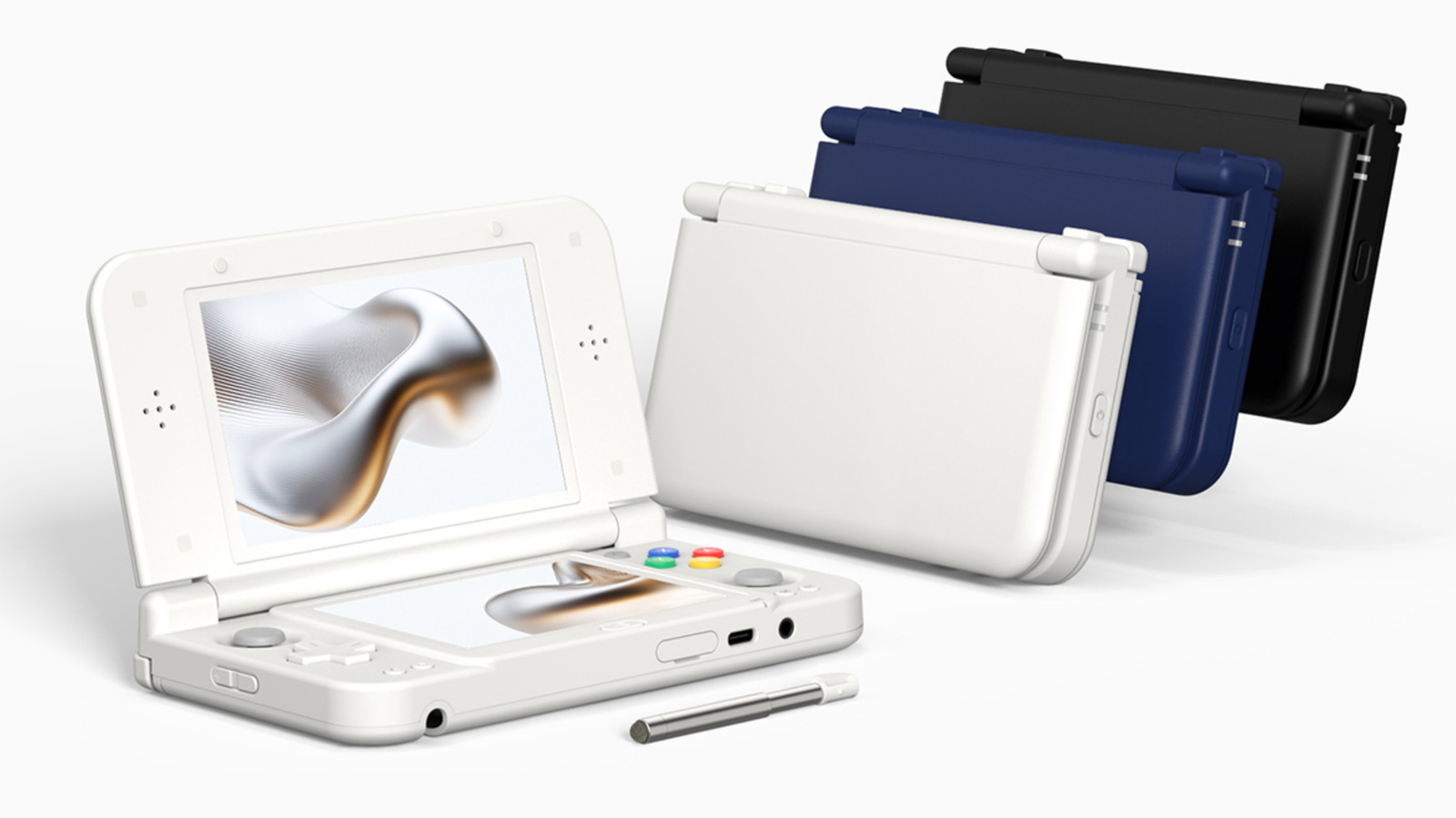
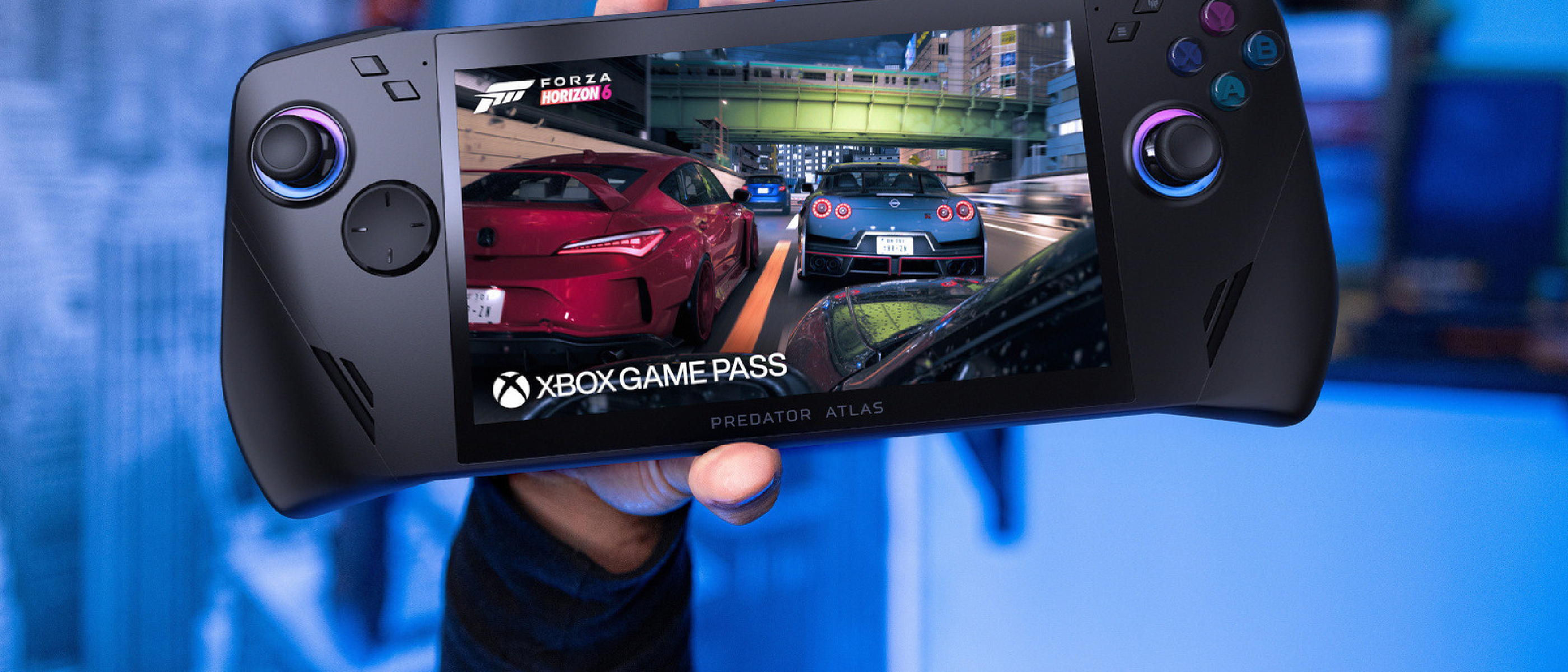
At the 2026 IFA conference in Berlin, Acer introduced the Predator Atlas 7, a handheld that promises flagship performance in a pocket‑sized chassis. The device is positioned as the brand’s smaller sibling to the already‑launched Predator Atlas 8, aiming to bring the same level of power to a more portable form factor. With a 7‑inch 120 Hz Full‑HD screen, Intel’s newest Arc G3 Extreme processor, and a dual‑fan cooling system, the Atlas 7 is poised to challenge the current handheld market dominated by Nintendo’s Switch and Sony’s PlayStation 5 Portable.
Design & Ergonomics
Acer’s design team has focused on user comfort without compromising performance. Key changes include:
- Contoured grips that fit a wider range of hand sizes.
- Enlarged palm‑rest area to reduce fatigue during extended sessions.
- Recessed buttons that prevent accidental presses.
- Anti‑slip texture on the back panel for better grip in sweaty conditions.
These refinements are subtle yet significant, especially when compared to the Atlas 8’s more traditional layout. The result is a device that feels natural in both hands, whether you’re playing a fast‑paced shooter or a strategy title.
Performance & Hardware
Processor & Graphics
The Atlas 7 is powered by Intel’s Arc G3 Extreme CPU, a 12‑core, 24‑thread chip that delivers up to 3.8 GHz boost clock speeds. Paired with the Arc B390 GPU, the handheld can run modern AAA titles at 1080p with 60–120 fps, depending on settings. Benchmarks from independent reviewers show performance that rivals the Atlas 8, despite the smaller chassis.
Memory & Storage
- Up to 24 GB of LPDDR5 RAM ensures smooth multitasking and quick load times.
- 1 TB NVMe SSD provides ample space for large game libraries and media files.
The combination of high‑speed memory and storage is crucial for maintaining consistent frame rates, especially in graphically intensive games.
Cooling System
A dual‑fan setup is a first for handhelds in this price bracket. The fans are strategically placed to draw air from the front and exhaust it through the rear, keeping the internal temperature below 70 °C during prolonged play. This design choice mitigates thermal throttling, a common issue in compact gaming devices.
Display & Battery
Display
The 7‑inch screen offers:
- 16:9 Full‑HD (1920 × 1080) resolution.
- 120 Hz refresh rate for ultra‑smooth motion.
- 500 nits peak brightness for outdoor visibility.
- Corning Gorilla Glass Victus protection for durability.
The high refresh rate and brightness make the Atlas 7 suitable for both indoor and outdoor gaming, a feature that sets it apart from many competitors.
Battery
A standard 80 Wh battery keeps the device under 750 g. An optional 60 Wh battery reduces weight to under 700 g. While exact playtime varies with workload, early tests suggest 4–5 hours of high‑intensity gaming before a recharge is needed. The battery’s capacity is a key selling point for users who prioritize portability without sacrificing endurance.
Connectivity & Software Bundle
The Atlas 7 includes:
- Dual Thunderbolt 4 ports for high‑speed data transfer and external display support.
- Micro SD card reader for expandable storage.
- Wi‑Fi 7 and Bluetooth 5.4 for fast, low‑latency connections.
A two‑month free trial of Xbox Game Pass and PC Game Pass is bundled with the device, encouraging users to explore a wide range of titles. After the trial, a subscription is required to continue streaming, aligning with Acer’s strategy to build a recurring revenue stream.
Market Position & Release
Acer has not yet announced a retail price for the Predator Atlas 7. However, the hardware specifications suggest a premium price point, likely comparable to the Atlas 8. The device is slated for a fourth‑quarter 2026 launch in North America and November 2026 in EMEA.
The Atlas 7’s release timing is strategic. It arrives just before the holiday season, positioning Acer to capture gamers looking for high‑performance handhelds. The device also competes directly with Sony’s upcoming PlayStation 5 Portable and Nintendo’s Switch OLED, both of which are expected to release later in 2026.
Industry Impact & Future Outlook
Competitive Landscape
The Atlas 7’s entry into the market signals a shift toward more powerful handhelds. While Nintendo’s Switch remains the best‑selling handheld, its hardware is limited compared to the Atlas 7’s Intel Arc GPU. Sony’s PlayStation 5 Portable, rumored to feature a 4K OLED display and 120 Hz refresh rate, will likely push the industry toward even higher specifications.
Technological Trends
- High‑refresh‑rate displays are becoming standard in handhelds, driven by consumer demand for smoother gameplay.
- Dual‑fan cooling may become a new baseline for performance‑oriented handhelds, as seen in the Atlas 7.
- Integrated subscription services (Xbox Game Pass, PC Game Pass) are increasingly bundled with hardware to create ecosystem lock‑in.
Security Considerations
While the Atlas 7 focuses on performance, the broader tech ecosystem continues to grapple with security challenges. Recent incidents such as the Zoom Zero‑Day Exploit and the Zoom Annotation Flaw highlight the importance of robust security in connected devices. Acer’s inclusion of Wi‑Fi 7 and Bluetooth 5.4 underscores the need for secure, high‑speed wireless protocols in modern handhelds.
For readers interested in how security vulnerabilities can affect everyday tech, check out the detailed analysis of the Zoom exploits: Zoom Zero‑Day Exploit: Remote Takeover of iPhone & Mac and the AI‑prompt related hack: Zoom Annotation Flaw Patched After AI‑Prompt Exploit .
Future Outlook
If the Atlas 7 delivers on its promises, it could redefine expectations for handheld gaming. Future iterations may incorporate:
- Higher resolution displays (e.g., 1440p) for sharper visuals.
- Improved battery chemistry to extend playtime beyond 6 hours.
- Modular accessories such as detachable controllers or external GPUs.
The handheld market is poised for rapid evolution, and Acer’s Atlas 7 is a clear indicator that performance and portability can coexist.
FAQ
| Question | Answer |
|---|---|
| What is the weight of the Atlas 7? | The standard model weighs under 750 g, while the optional battery version is under 700 g. |
| Does it support external displays? | Yes, the dual Thunderbolt 4 ports allow connection to external monitors. |
| Is the battery removable? | The battery is not user‑replaceable; it is sealed |
| Is the battery removable? | The battery is not user‑replaceable; it is sealed within the chassis to maintain structural rigidity and water‑resistance. | | What operating system powers the Atlas 7? | The device runs a customized Windows 11 Home build optimized for handheld gaming, with Acer’s Predator UI overlay for quick access to performance settings and game libraries. | | Can I connect a controller or mouse? | Yes. Bluetooth 5.4 supports a wide range of peripherals, and the Thunderbolt 4 ports can also be used with USB‑C adapters for wired controllers, mice, or even external keyboards. | | Does the device support external GPU (eGPU) enclosures? | Through Thunderbolt 4, the Atlas 7 can be linked to compatible eGPU docks, allowing users to boost graphics performance for desktop‑level gaming or intensive creative workloads. | | What warranty does Acer provide? | Acer offers a standard 2‑year limited hardware warranty, with optional extended coverage available at the point of purchase. | | Will the device receive regular driver updates? | Acer has committed to delivering quarterly driver and firmware updates, in partnership with Intel, to ensure optimal performance and security for the Arc G3 Extreme and B390 components. |
Conclusion
Acer’s Predator Atlas 7 arrives at a pivotal moment for handheld gaming, marrying desktop‑class performance with a truly portable form factor. By leveraging Intel’s latest Arc G3 Extreme CPU and B390 GPU, integrating a high‑refresh‑rate FHD display protected by Gorilla Glass Victus, and introducing a dual‑fan cooling solution, Acer has set a new benchmark for what gamers can expect from a sub‑8‑inch device.
While the lack of a disclosed price leaves some uncertainty, the hardware slate suggests a premium positioning that will likely appeal to enthusiasts willing to invest in top‑tier performance. The inclusion of Thunderbolt 4, Wi‑Fi 7, and a generous software bundle of Xbox and PC Game Pass further strengthens the ecosystem lock‑in, offering immediate access to a vast library of titles.
The Atlas 7 also underscores broader industry trends: the push toward higher refresh‑rate screens, more aggressive cooling architectures, and the bundling of subscription services with hardware. As competitors like Sony and Nintendo prepare their own next‑gen handhelds, Acer’s bold move may force the entire market to accelerate innovation, ultimately benefiting consumers.
For gamers seeking a powerful, versatile handheld that doesn’t compromise on screen quality, battery life, or connectivity, the Predator Atlas 7 stands out as a compelling, if premium, option. Its success will hinge on real‑world performance, pricing, and how quickly Acer can deliver the promised software updates and support. If those pieces fall into place, the Atlas 7 could very well become the new standard for high‑end portable gaming.
Source: Original Article