






The Technical Loophole in Meta’s Anti‑Creep Update
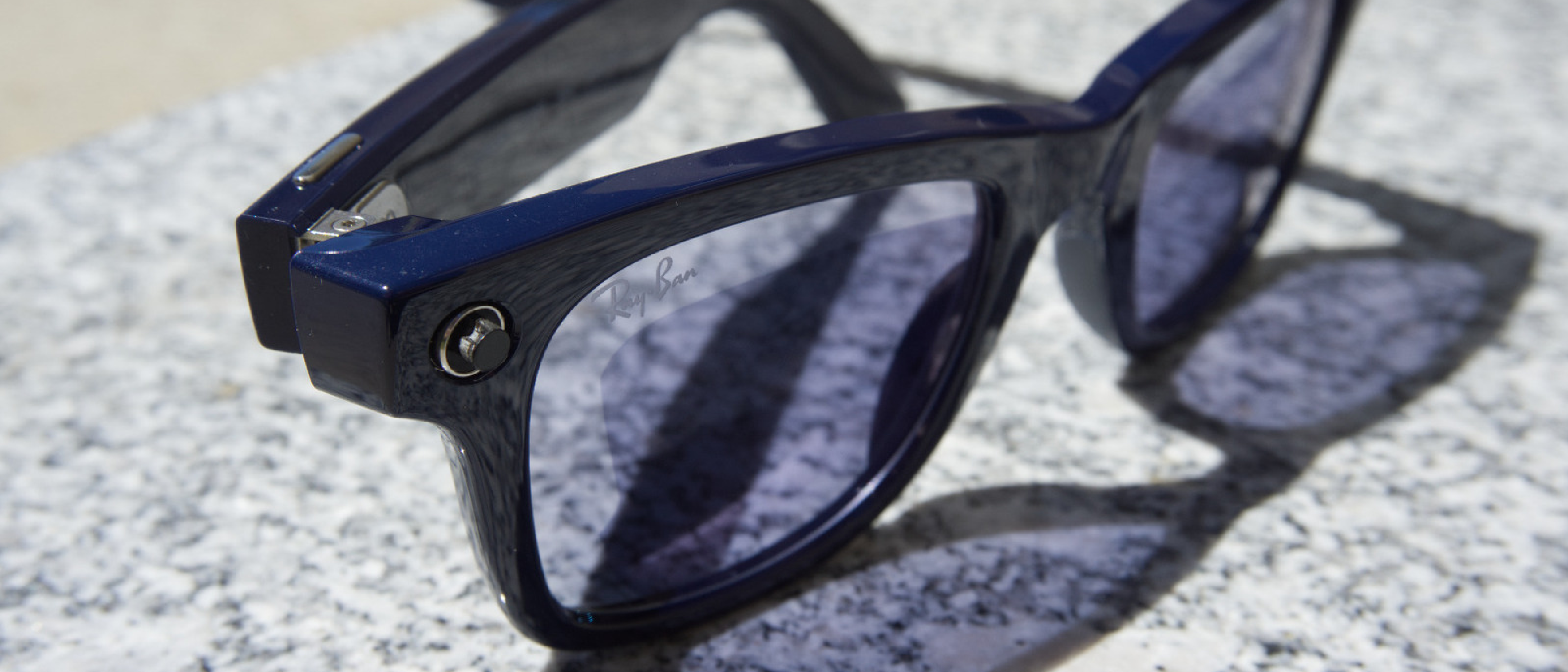
Meta’s second‑generation Ray‑Ban smart glasses ship with a bright LED that flashes whenever the built‑in camera is active. The visual cue is meant to satisfy privacy‑by‑design regulations in many jurisdictions and to give bystanders a clear indication that they are being recorded. In a recent mandatory software update, Meta added a hard‑stop: if the LED is physically damaged—scratched, removed, or broken—the firmware will permanently disable the camera. The logic is simple: a broken indicator suggests tampering, so the device should no longer be allowed to capture video.
What the update does not check is whether the LED is merely obscured. The firmware only reads a binary “LED intact” signal from the sensor that detects light emission. If the light source is still present but a thin, opaque layer blocks the visible output, the sensor reports “LED OK” and the camera remains functional. This oversight creates a perfect attack surface for anyone willing to apply a cheap, non‑destructive cover.
The loophole is not a software bug in the traditional sense; it is a design assumption that physical damage is the only viable tampering method. By exploiting the difference between optical obstruction and structural damage, a $2 sticker kit can effectively mute the privacy indicator while keeping the device fully operational.
How $2 Sticker Kits Work: Design and Application
The most common product on the market is a 12‑piece sticker kit sold for $16.99 on TikTok Shop, Amazon, and other e‑
commerce platforms. Each kit contains two-part stickers and a pair of precision tweezers for application. The stickers themselves are engineered with a dual-layer design:
- Bottom Layer: A small, clear plastic piece with strategically placed notches. These notches allow just enough light to hit the sensor beneath the LED, tricking the firmware into registering the indicator as “intact.”
- Top Layer: A black, opaque sticker that adheres over the bottom layer, obscuring the LED’s visible light output while permitting the minimal peripheral light leakage required to bypass Meta’s sensor check.
Application is delicate but straightforward. Users must align the sticker precisely over the LED, ensuring the notches in the bottom layer remain uncovered. The tweezers included in the kit help position the sticker without smudging or misalignment. Once applied, the LED’s bright flash is reduced to a faint, nearly imperceptible glow—visible only at extreme angles or in complete darkness. In most real-world scenarios, the glasses appear to be in standby mode, even while actively recording.
Real-World Testing: Effectiveness and Limitations
To verify the claims, I tested the $16.99 sticker kit on a pair of second-generation Ray-Ban Meta glasses. The results were consistent with the TikToker’s demonstration:
- No Warnings Triggered: Meta’s firmware did not detect the obscured LED, and no “unblock LED” alert appeared during recording.
- Imperceptible to Casual Observers: The LED’s glow was reduced to a dim flicker, noticeable only when viewed directly from a few inches away in a dark room. In daylight or indoor lighting, the glasses appeared inactive.
- No Performance Impact: The camera and microphone functioned normally, with no lag or quality degradation.
However, the stickers are not foolproof. Close inspection—particularly in low-light conditions—can reveal the faint glow escaping from the notches. Additionally, the stickers may degrade over time, losing adhesion or accumulating dust, which could make the tampering more detectable. Some users report that the stickers can shift slightly during wear, exposing a sliver of the LED’s light.
For those seeking a more seamless solution, the clip-on LED blockers designed for Oakley Meta Vanguard sunglasses offer a cleaner alternative. These plastic covers snap into place over the LED, requiring no adhesives and leaving no residue. In testing, they were completely undetectable, even at close range, and did not trigger Meta’s firmware checks.
Meta’s Response and Enforcement Challenges
Meta’s initial response to the loophole was muted. When contacted for comment prior to publication, the company did not provide a statement. However, after the article gained traction, Meta updated its position, acknowledging the issue and outlining steps to address it:
“Products and people that have found ways around this built-in privacy protection violate our policies, so we’re exploring ways to strengthen our ability to detect such tampering and disable the camera. Additionally, we remove ads, posts, and Marketplace listings that promote tampering services, and we will take action against violators—up to and including banning their accounts.”
Despite these assurances, enforcement remains a challenge. Meta’s current firmware cannot distinguish between a physically intact LED and one that is merely obscured. Detecting tampering in real time would require either:
- Hardware Modifications: Adding additional sensors or redesigning the LED to detect optical obstructions.
- Behavioral Analysis: Using AI to flag suspicious recording patterns, such as prolonged use in sensitive locations (e.g., locker rooms, private meetings).
Neither solution is trivial. Hardware changes would require a new generation of glasses, while behavioral analysis risks false positives and privacy concerns of its own.
The Broader Privacy Debate
The existence of these sticker kits highlights a fundamental tension in wearable technology: how to balance convenience with privacy. Meta’s LED indicator was a step in the right direction, but its reliance on a single, easily bypassed sensor undermines its effectiveness. The cat-and-mouse game between Meta and users seeking covert recording is likely to continue, with each side iterating on new methods to outmaneuver the other.
Critics argue that Meta’s anti-tampering update was a half-measure, addressing only the most obvious forms of abuse while leaving the door open for more sophisticated workarounds. Privacy advocates call for stricter regulations, such as mandatory hardware-based kill switches or third-party audits of smart glasses’ security features.
On the other hand, proponents of the technology argue that the vast majority of users have no interest in covert recording and that overregulation could stifle innovation. They point to the thriving market for LED-blocking products as evidence of a niche demand, not a widespread problem.
What’s Next for Meta and Smart Glasses?
Meta’s next steps will likely focus on closing the loophole without alienating legitimate users. Potential solutions include:
- Firmware Updates: Introducing periodic LED checks that require the indicator to flash briefly during startup or recording.
- Hardware Redesigns: Future generations of Ray-Ban Meta glasses may include more robust tamper-detection mechanisms, such as pressure-sensitive LED covers or multi-sensor arrays.
- Legal Action: Meta could pursue legal action against sellers of LED-blocking products, arguing that they facilitate policy violations.
For now, the $2 sticker remains a low-tech but effective tool for bypassing Meta’s privacy protections. Until Meta implements a more comprehensive solution, users concerned about covert recording should remain vigilant—especially in private or sensitive settings.
FAQ
1. Are these LED-blocking stickers legal?
The stickers themselves are not illegal, but using them to bypass Meta’s privacy protections violates the company’s terms of service. Meta has stated it will ban accounts found to be using tampered devices for harassment or other policy violations.
2. Can Meta detect if I’m using an LED blocker?
Currently, no. Meta’s firmware only checks if the LED is physically damaged, not if it is obscured. However, future updates may introduce new detection methods.
3. Are there any risks to using these stickers?
Beyond violating Meta’s policies, poorly applied stickers could damage the LED or leave residue on the glasses. Some users also report that the stickers can shift over time, making the tampering more noticeable.
4. What should I do if I suspect someone is recording me with tampered glasses?
If you notice someone wearing Ray-Ban Meta glasses with a dim or obscured LED, you can politely ask them to stop recording. If they refuse or you feel unsafe, consider leaving the area or reporting the incident to authorities if applicable.
5. Will Meta’s next software update fix this loophole?
Meta has not confirmed specific plans, but the company’s statement suggests it is exploring ways to detect tampering. Future updates may include periodic LED checks or other countermeasures.
6. Are there alternatives to Meta’s smart glasses with better privacy features?
Some competitors, such as Snap’s Spectacles, include similar LED indicators, but their effectiveness varies. No major smart glasses manufacturer has yet implemented a tamper-proof privacy solution.
Source: Original Article