
Why the 9to5Mac Daily Episode Matters
The 9to5Mac Daily podcast has become a trusted morning briefing for anyone who follows Apple’s ecosystem. Hosted by seasoned journalists, the show distills press releases, developer conference notes, and community chatter into a concise 15‑minute audio digest. The November 18 episode is noteworthy because it surfaces two concurrent narratives that could shape Apple’s roadmap for the next twelve months: the rollout of iOS 27.3 and the persistent speculation surrounding an “iPhone Duo” device.
For developers, the timing of a minor iOS update is critical. Even a point release can introduce new APIs, deprecate legacy behavior, or tighten security policies that affect App Store submissions. For consumers, the same update may bring performance refinements, bug fixes, or subtle UI changes that improve day‑to‑day usability. Meanwhile, the iPhone Duo rumor—fuelled by leaked design sketches and supply‑chain whispers—has the potential to redefine form factor expectations for smartphones.
By unpacking the episode’s key points, we can gauge how these developments intersect with broader industry trends, from AI usage limits to data‑security best practices.
iOS 27.3: What We Know So Far
Apple’s iOS 27.3 is positioned as a maintenance release, but the 9to5Mac Daily hosts highlighted three areas that deserve attention:
Security Patches – Apple’s quarterly cadence typically bundles multiple CVE fixes. Recent disclosures, such as the Zoom zero‑day exploit that allowed remote takeover of iPhone and Mac devices, underscore the urgency of timely updates. iOS 27.3 is expected to address similar vulnerabilities, reinforcing the platform’s reputation for rapid response. (Read more about the Zoom flaw in our coverage: Zoom Flaw Let An Attacker Take Over Your Device Including Iphone And Mac)
Siri AI Usage Limits – The companion article on iOS 27.3’s Siri limits explains that Apple is now counting AI‑driven requests against a daily quota, a move designed to balance server load and user privacy. While the exact thresholds remain undisclosed, developers building voice‑first experiences should anticipate potential throttling and design fallback flows.
Performance Optimizations – Early tester feedback suggests modest improvements in battery life for older iPhone models and smoother animation handling on the latest hardware. These tweaks are often invisible to casual users but can translate into measurable gains for apps that rely heavily on Core Animation or Metal.
Technical Takeaways for Developers
- API Stability – No new public frameworks were announced, but a handful of private‑API signatures were reportedly deprecated. Teams should audit their codebases to avoid future rejections.
- Entitlement Adjustments – iOS 27.3 tightens the criteria for background location access, aligning with Apple’s privacy‑first stance. Apps that previously relied on continuous location updates may need to request “When In Use” permissions instead.
- Testing Matrix – The update rolls out first to devices running iOS 27.0–27.2, then expands to beta participants. Maintaining a test suite across at least three device generations (e.g., iPhone 12, 14, and 15) will help catch regressions early.
The iPhone Duo Rumor: From Sketches to Speculation
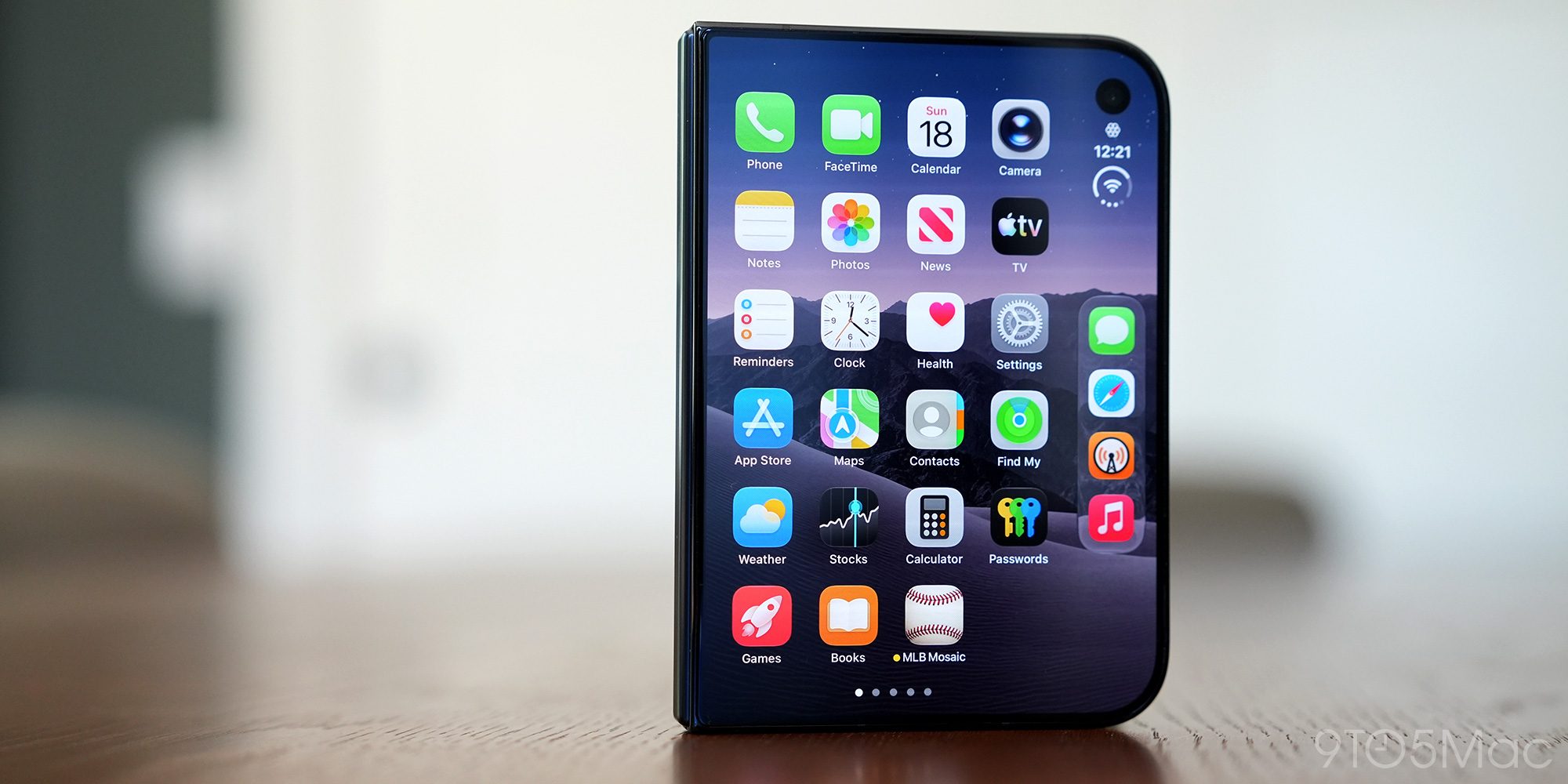
The episode devoted a sizable segment to the “iPhone Duo,” a concept that has lingered in Apple‑focused forums for years. While Apple has not confirmed any dual‑screen plans, the following points emerged from the discussion:
- Supply‑Chain Leaks – A reputable analyst cited a “dual‑display module” spotted in a Taiwanese manufacturing plant. The module reportedly supports a hinge mechanism similar to the iPad Mini’s recent redesign.
- Use‑Case Scenarios – Proponents argue that a foldable iPhone could enable multitasking features akin to iPadOS, such as split‑view apps and drag‑and‑drop across screens.
- Potential Impact on Developers – If realized, the Duo would require UI adaptations for varying aspect ratios and dynamic layout handling. Apple’s existing SwiftUI adaptive layout tools would become even more essential.
Why It Matters Even Without Confirmation
Even a rumor can drive developer preparation. The Apple ecosystem thrives on early adoption; developers who experiment with responsive design now will be better positioned should a dual‑screen device launch. Moreover, the conversation around the Duo reflects a broader industry shift toward flexible form factors, as seen in Samsung’s foldable lineup and Google’s Pixel Fold.
Industry Impact: Connecting the Dots
AI Governance and User Experience
The introduction of Siri AI usage limits signals Apple’s intent to regulate on‑device AI consumption. This mirrors trends in other platforms where AI request quotas are enforced to manage cloud costs and protect user data. For enterprises that embed Siri shortcuts into workflow automation, understanding these limits will be crucial to avoid service degradation.
Security as a Competitive Differentiator
Apple’s rapid patch cadence, exemplified by iOS 27.3’s anticipated fixes, continues to set the bar for mobile security. The Zoom zero‑day incident highlighted how a single vulnerability can compromise both iPhone and Mac ecosystems. By consistently delivering timely updates, Apple reinforces trust among privacy‑conscious consumers and enterprise IT departments.
Creative Tools and the Mobile Development Landscape
The release of new motion‑graphics capabilities in Apple Creator Studio (see Apple Creator Studio Adds Motionvfx For Final Cut Pro New Pixelmator Pro Features More) illustrates Apple’s commitment to empowering creators on iOS. As developers integrate richer media into apps, the performance gains in iOS 27.3 become a tangible benefit, enabling smoother playback of high‑resolution assets.
Future Outlook: What to Watch in 2027
- Potential iOS 27.4 Features – Rumors suggest a focus on augmented‑reality (AR) enhancements, possibly leveraging the upcoming Apple Vision Pro SDK. Developers should monitor WWDC announcements for new ARKit extensions.
- iPhone Duo Confirmation Timeline – Analysts predict a formal reveal could align with the 2027 September event, coinciding with a new processor rollout. Keeping an eye on patent filings and supply‑chain reports will provide early indicators.
- AI Quota Evolution – As generative AI models become more compute‑intensive, Apple may introduce tiered usage plans for developers, similar to cloud‑provider pricing models. Early engagement with Apple’s developer relations team could secure favorable terms.
Frequently Asked Questions
Q1: Do I need to update my devices to iOS 27.3 immediately? A: Yes, especially if
Q1: Do I need to update my devices to iOS 27.3 immediately? A: Yes, especially if your device is exposed to any of the recently disclosed CVEs (such as the Zoom zero‑day) or if you rely on background‑location services, Siri shortcuts, or other privacy‑sensitive APIs. Even for users on newer hardware, the battery‑life tweaks and animation smoothing are worthwhile, and the update is small enough to apply without hassle.
Q2: How will the new Siri AI usage limits affect my app? A: Apple will enforce a per‑device, per‑day quota for server‑side Siri requests. While the exact numbers are still under wraps, developers should assume a conservative limit (e.g., 500‑1,000 requests). To stay resilient, implement local fallback logic—such as on‑device speech‑to‑text or cached responses—and surface a graceful “quota exceeded” UI when the limit is hit.
Q3: Should I start redesigning my UI for a potential dual‑screen iPhone?
A: It’s never too early to adopt responsive design principles. SwiftUI’s GeometryReader, @Environment(\.horizontalSizeClass), and the new WindowGroup‑level scene management make it straightforward to adapt layouts to multiple aspect ratios. Prototyping a split‑view using a mock‑up of two 6‑inch screens will give you a head start if the Duo materialises.
Q4: What’s the best testing strategy for iOS 27.3 across device generations? A: Apple’s rollout will hit devices on a staggered schedule. Aim for a three‑tier matrix:
| Tier | Example Devices | Reason |
|---|---|---|
| Legacy | iPhone 12, iPhone 13 mini | Covers devices still on iOS 27.0‑27.2 |
| Current | iPhone 14, iPhone 14 Pro | Represents the bulk of active users |
| Future‑Proof | iPhone 15, iPhone 15 Pro Max | Ensures compatibility with the newest hardware and upcoming features |
Run automated UI tests on each tier, and supplement with manual exploratory testing on at least one device per tier to catch subtle performance regressions.
Q5: When can we realistically expect an official iPhone Duo announcement? A: Industry analysts are converging on a September 2027 launch window, aligning the Duo’s debut with Apple’s annual hardware event and the rollout of the next‑generation Apple silicon (A‑Series X). Keep an eye on patent filings that reference “hinge actuation” and on supply‑chain reports from firms like IHS Markit for any spikes in dual‑display component orders.
Conclusion
The November 18 episode of 9to5Mac Daily distilled two seemingly separate storylines—iOS 27.3’s security‑first polish and the tantalising iPhone Duo rumor—into a cohesive narrative about where Apple is heading. For developers, the immediate takeaway is clear: adopt iOS 27.3 without delay, audit your entitlements, and begin future‑proofing your UI for multi‑screen scenarios. For consumers, the update promises a quieter, more secure iPhone experience while the Duo remains a “watch‑this‑space” prospect that could reshape multitasking on mobile.
Staying ahead of Apple’s cadence has always been a balancing act between rapid iteration and cautious stability. By treating iOS 27.3 as both a maintenance milestone and a stepping stone toward the next wave of hardware innovation, you’ll be positioned to deliver apps that feel native today and adaptable tomorrow.
Source: Original Article