







Introduction to Brain Implant Technology
The field of brain implant technology has been rapidly advancing in recent years, with various companies and researchers working on developing innovative solutions to treat a range of neurological disorders and diseases. One such company, Coherence Neuro, has been making headlines with its brain implant technology designed to detect and treat cancer. In this article, we will delve into the details of Coherence Neuro’s brain implant technology, its potential applications, and the current state of cancer treatment.
What is Coherence Neuro’s Brain Implant Technology?
Coherence Neuro’s brain implant technology is a coin-sized implant that is designed to be temporarily placed in the brain to detect and treat cancer. The implant is equipped with 16 extending threads that extend into the brain tissue, allowing it to sense the unique electrical signals of tumors and deliver mild electrical stimulation to prevent their growth. This technology is based on the concept of brain-computer interfaces (BCIs), which involve the use of electrical signals to communicate with the brain.
How Does the Brain Implant Technology Work?
The brain implant technology developed by Coherence Neuro works by using electrical signals to detect and treat cancer. The implant is designed to sense the unique electrical properties of cancerous tissue, which are distinct from those of healthy tissue. Once the implant detects the presence of cancerous tissue, it delivers mild electrical stimulation to prevent the growth of the tumor. This approach is based on the observation that cancerous tissue has distinctive electrical properties, similar to those of epilepsy and depression.
The Science Behind Electrical Stimulation and Cancer Treatment
The use of electrical stimulation to treat cancer is based on the concept that cancerous tissue has unique electrical properties. Research has shown that cancerous tissue can drive its own growth by forming synapses with healthy neurons. By applying low-intensity electricity, it is possible to disrupt the electrical signals that promote tumor growth. This approach has been shown to be effective in treating certain types of cancer, including glioblastoma, which is a type of brain tumor.
Glioblastoma and the Current State of Treatment
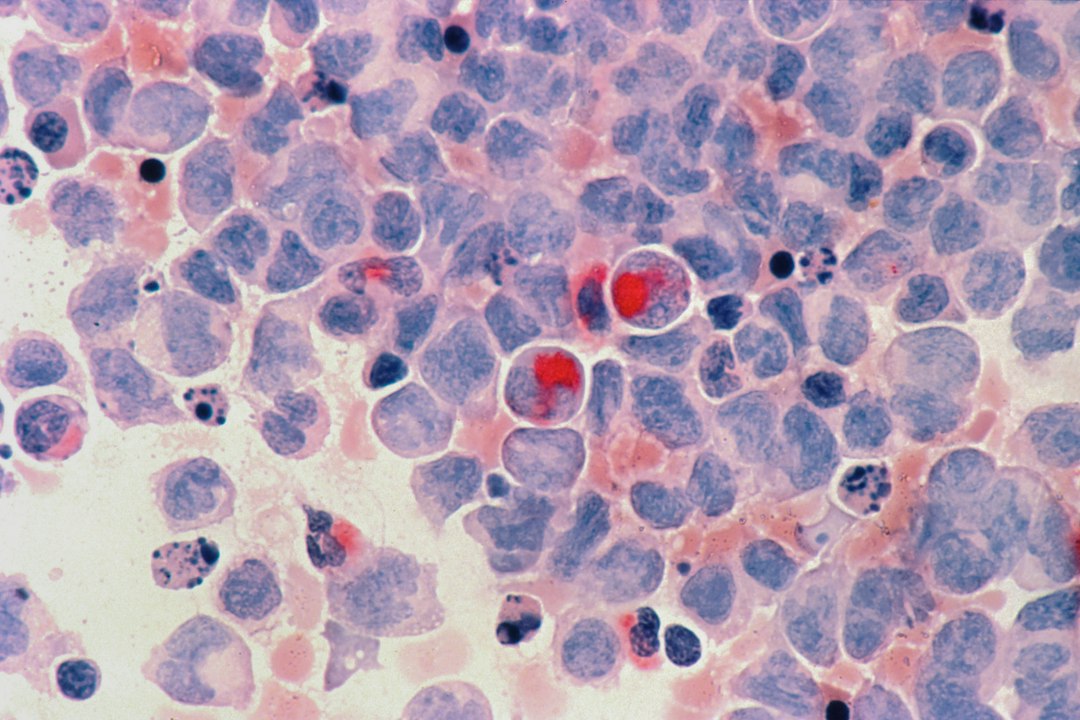
Glioblastoma is a type of brain tumor that is highly aggressive and has a poor prognosis. Current treatment options for glioblastoma include surgery, radiation, and chemotherapy. However, these treatments are often ineffective in completely removing the tumor, and the tumor can recur after treatment. The current standard of care for glioblastoma involves regular MRI scans to monitor tumor growth and adjust treatment accordingly. However, this approach has limitations, and there is a need for more effective and convenient treatment options.
Coherence Neuro’s Approach to Treating Glioblastoma
Coherence Neuro’s brain implant technology is designed to provide a more convenient and effective treatment option for glioblastoma. The implant is designed to be implanted during brain tumor resection surgery, when the tumor is removed. The implant can then deliver mild electrical stimulation to prevent the growth of any remaining tumor cells. This approach has the potential to improve treatment outcomes for glioblastoma patients and provide a more convenient alternative to current treatment options.
Key Features and Benefits of Coherence Neuro’s Brain Implant Technology
Some of the key features and benefits of Coherence Neuro’s brain implant technology include:
- Convenience: The implant is designed to be implanted during surgery, eliminating the need for external devices or frequent hospital visits.
- Effectiveness: The implant can deliver mild electrical stimulation to prevent tumor growth, providing a more effective treatment option for glioblastoma.
- Safety: The implant is designed to be safe and minimally invasive, reducing the risk of complications or side effects.
- Potential for improved treatment outcomes: The implant has the potential to improve treatment outcomes for glioblastoma patients, providing a more effective and convenient treatment option.
Comparison to Other Cancer Treatment Options
Coherence Neuro’s brain implant technology is not the only treatment option available for glioblastoma. Other treatments, such as chemotherapy and radiation, are also available. However, these treatments have limitations and can have significant side effects. Coherence Neuro’s brain implant technology offers a more targeted and convenient treatment option, with the potential for improved treatment outcomes.
The Role of Neuralink in Coherence Neuro’s Brain Implant Technology
Neuralink, a company founded by Elon Musk, has been involved in the development of Coherence Neuro’s brain implant technology. Neuralink’s head neurosurgeon, Matthew Mac Dougall, is an adviser and investor in Coherence Neuro, and the company has provided funding and support for the development of the brain implant technology. Neuralink’s involvement in Coherence Neuro’s brain implant technology highlights the potential for collaboration and innovation in the field of brain implant technology.
Future Directions and Potential Applications
Coherence Neuro’s brain implant technology has the potential to be used in a range of applications, including:
- Treatment of other types of cancer: The implant could be used to treat other types of cancer, such as pancreatic cancer or breast cancer.
- Treatment of neurological disorders: The implant could be used to treat neurological disorders, such as epilepsy or depression.
- Development of new treatments: The implant could be used to develop new treatments for a range of diseases and disorders.
Challenges and Limitations
While Coherence Neuro’s brain implant technology has the potential to revolutionize the treatment of glioblastoma, there are also challenges and limitations to consider. These include:
- Regulatory approval: The implant will need to receive regulatory approval before it can be widely used.
- Clinical trials: The implant will need to undergo clinical trials to demonstrate its safety and effectiveness.
- Cost: The implant may be expensive, making it inaccessible to some patients.
FAQ
Some frequently asked questions about Coherence Neuro’s brain implant technology include:
- What is the brain implant technology used for?: The brain implant technology is used to detect and treat cancer, specifically glioblastoma.
- How does the implant work?: The implant uses electrical signals to detect and treat cancer.
- Is the implant safe?: The implant is designed to be safe and minimally invasive, reducing the risk of complications or side effects.
- What are the potential benefits of the implant?: The implant has the potential to improve treatment outcomes for glioblastoma patients, providing a more effective and convenient treatment option.
- What are the potential risks and limitations of the implant?: The implant may have risks and limitations, including regulatory approval, clinical trials, and cost.
Conclusion
Coherence Neuro’s brain implant technology has the potential to revolutionize the treatment of glioblastoma, providing a more convenient and effective treatment option for patients. While there are challenges and limitations to consider, the implant has the potential to improve treatment outcomes and provide a new hope for patients with this devastating disease. As the field of brain implant technology continues to evolve, it will be exciting to see the potential applications and innovations that emerge.